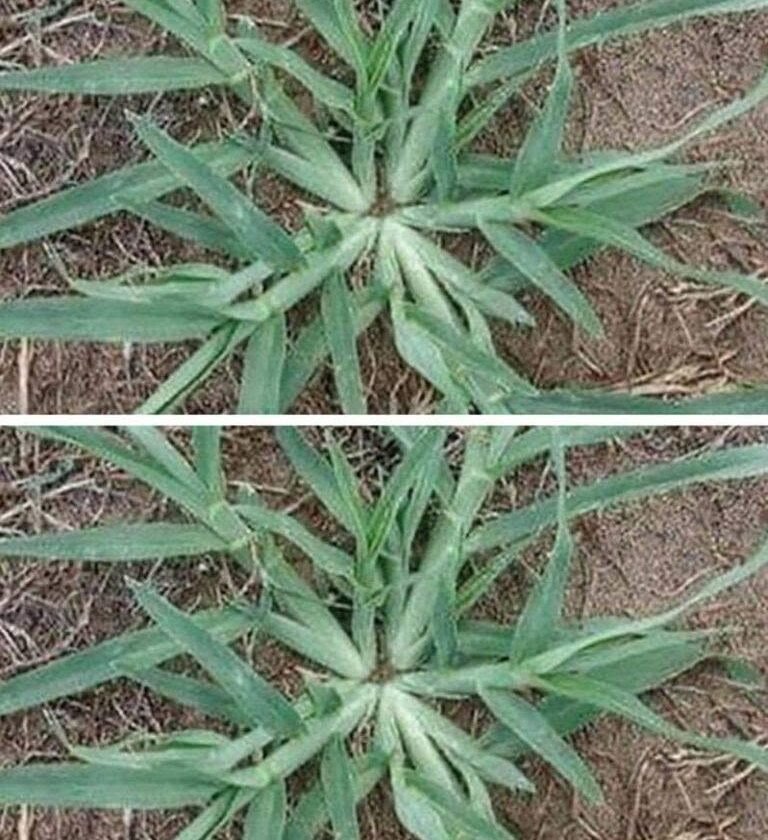
When clickbait headlines warn you “Never uproot this plant if it appears in your garden,” they are usually talking about a specific category of misunderstood plants. While viral internet posts often use this phrasing to exaggerate the value of common weeds, it typically refers to a few specific scenarios in ecology, gardening, and conservation.
The plants you should think twice about before pulling up usually fall into these categories:
1. Beneficial Native “Weeds” (Pollinator Lifelines)
-
The Plants: Milkweed, dandelions, stinging nettles, or native wildflowers.
-
Why You Might Want to Uproot Them: They pop up uninvited in manicured lawns or flowerbeds and can look unruly or prickly.
-
Why You Should Leave Them: Many of these “weeds” are critical ecological anchors. For example, Common Milkweed is the exclusive host plant for monarch butterfly caterpillars. Dandelions provide one of the very first sources of nectar for waking bees in early spring. Uprooting them prematurely can disrupt local pollinators and beneficial insects.
2. Deep-Rooted Pioneers and Soil Builders
-
The Plants: Certain deep-taproot plants or dynamic accumulators like comfrey or burdock.
-
Why You Might Want to Uproot Them: They take over space and have aggressive root systems that are tough to dig out later.
-
Why You Should Leave Them: Pioneer plants mine nutrients from deep beneath the soil and bring them up to their leaves. If left to grow (or chopped back and used as natural mulch), they improve overall soil structure, moisture retention, and fertility without needing chemical fertilizers.
3. Rare Self-Seeding Heirlooms or Volatile “Volunteers”
-
The Plants: Unexpected heirloom tomatoes, tomatillos, pumpkins, or gourds that sprout from last year’s compost or stray seeds.
-
Why You Might Want to Uproot Them: They might be growing in an inconvenient spot where you planned to plant something else.
-
Why You Should Leave Them: “Volunteer” plants are often surprisingly resilient because they chose their own germination spot and adapted to your local soil naturally. Relocating them carefully instead of throwing them away can reward you with a surprisingly hardy harvest.
How to Evaluate an Unexpected Garden Guest
Before you reach for your trowel the next time an unfamiliar plant sprouts in your yard, consider a quick evaluation:
-
Check the neighbors: Is it choking out an intentionally planted crop, or is it thriving in an empty patch of soil?
-
Look for wildlife: Are bees, butterflies, or beneficial bugs actively visiting it?
-
Identify first: Use a plant-identification app to ensure it isn’t a truly noxious or invasive threat (like poison ivy or invasive foreign vines) before deciding whether to keep it.
Is there a specific mystery plant currently showing up in your garden that you are trying to identify?