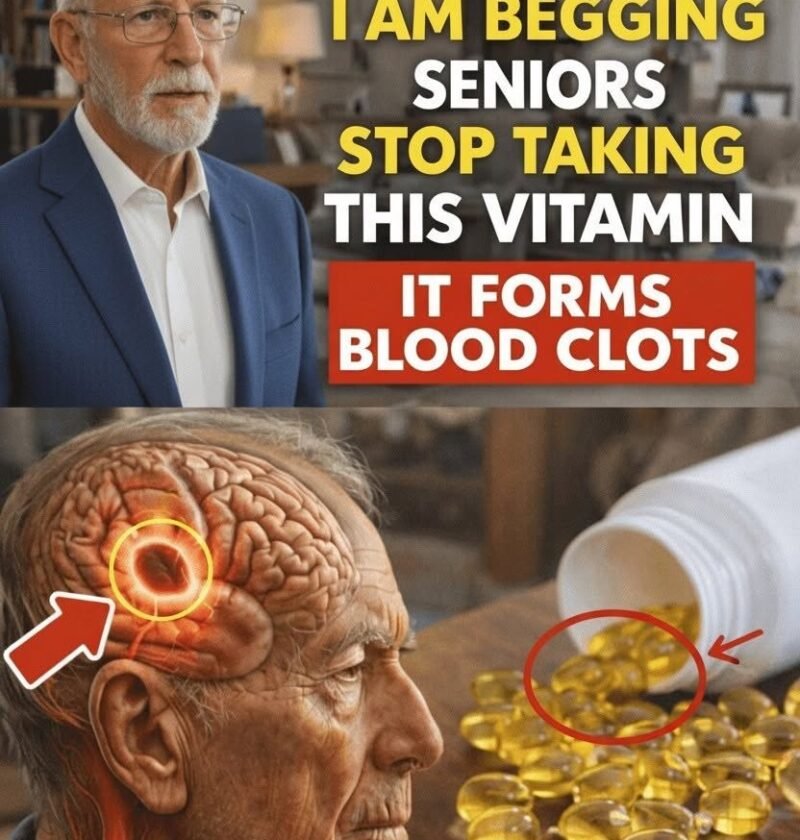
If you’re asking for a detailed explanation of “Navigating Vitamin Habits: Understanding Stroke Risk for Older Adults and Brain Health,” the key message is that vitamins and supplements should not be treated as a substitute for proven stroke-prevention measures.
Vitamins and stroke risk
For older adults, taking vitamins can be appropriate when there is a documented deficiency or a specific medical reason. But simply taking more vitamins does not automatically protect the brain or prevent stroke.
Some B vitamins—particularly folate, B6 and B12—can lower homocysteine levels, but evidence that routinely taking these supplements prevents stroke is not strong enough to recommend them universally. (American Heart Association)
There is also an important distinction between getting vitamins from nutritious foods and taking high-dose supplements. A balanced diet provides vitamins along with fiber, minerals and other compounds that support cardiovascular health.
What matters more for brain health?
According to the American Heart Association’s current stroke-prevention guidance, the major priorities include:
- Controlling high blood pressure
- Managing cholesterol and blood sugar
- Avoiding smoking
- Staying physically active
- Maintaining a healthy weight
- Eating a heart-healthy dietary pattern, particularly a Mediterranean-style diet
- Getting adequate sleep
- Having appropriate medical screening and treatment when risk factors are identified. (American Heart Association)
The AHA’s 2026 scientific statement also emphasizes that brain health is influenced by a combination of vascular health, physical activity, sleep, mental health, chronic medical conditions and lifestyle factors rather than one particular vitamin or supplement. (American Heart Association)
For older adults
A sensible approach is “correct deficiencies, don’t megadose.” If someone is taking several supplements every day, it’s worth reviewing them with a doctor or pharmacist—especially if they also take prescription medicines.
And if a supplement advertisement claims that a particular vitamin can “prevent stroke,” “reverse brain aging,” or “restore memory,” be skeptical unless it provides credible clinical evidence.
Bottom line: Vitamins can be important for health, but there is no magic vitamin routine that guarantees protection from stroke or cognitive decline. The strongest evidence continues to favor controlling blood pressure and other cardiovascular risks, staying active, eating well, avoiding smoking, and obtaining appropriate medical care. (American Heart Association)