Vitamin Habits, Stroke Risk, and Brain Health in Older Adults
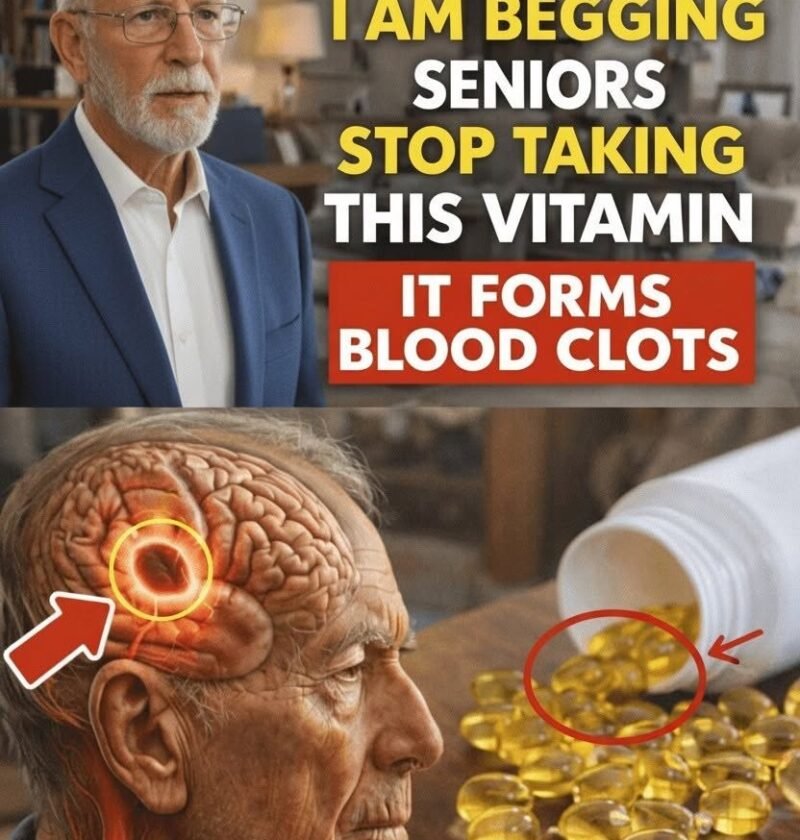
If you’re over 60, vitamins can be useful—but more vitamins do not necessarily mean better brain or cardiovascular health. There is no single vitamin supplement proven to prevent strokes in otherwise healthy older adults.
The American Heart Association’s current stroke-prevention guidance emphasizes blood-pressure control, physical activity, a Mediterranean-style diet, healthy cholesterol and blood-sugar levels, and avoiding tobacco rather than relying on vitamin supplements.
💊 What about B vitamins?
Vitamins B6, B12, and folate can lower homocysteine levels, and they’re important nutrients. But taking them routinely as a stroke-prevention strategy hasn’t been shown to reliably prevent stroke.
They can still be important when someone has a documented deficiency or a condition that interferes with absorption.
⚠️ Don’t assume “natural” means risk-free
High-dose supplements can interact with medications or cause problems of their own. Avoid taking large doses simply because a supplement is advertised as protecting the brain, “cleaning arteries,” or preventing stroke.