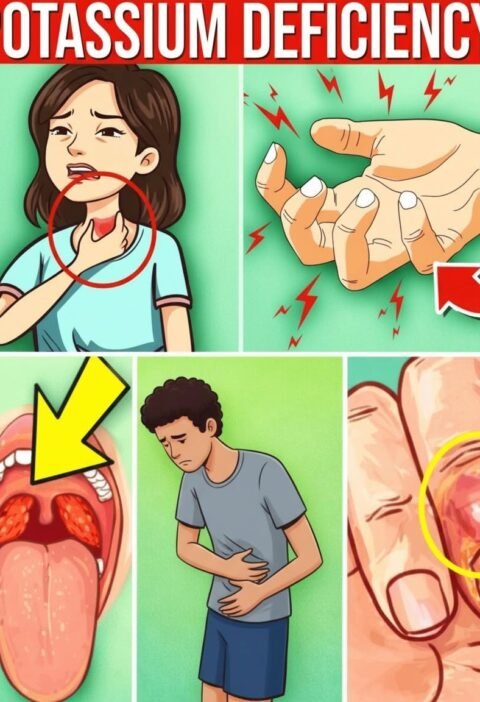
Ah, the ultimate double-whammy clickbait! Whenever a headline pairs two completely unrelated, heavy-hitting symptoms—like bone pain and mental health—and promises a single “natural remedy” fix, you can immediately spot the engagement-farming playbook at work.
It’s a classic emotional hook: it takes a very real, uncomfortable physical symptom, ties it to a universal emotional struggle, and dangles a simple kitchen-cure carrot to reel you in.
Here is the realistic, medical reality behind why these two things sometimes cross paths, and why a single “natural remedy” can’t magically solve them both:
Why Bone Pain and Mental Health Often Intersect (The Vitamin D Connection)
If there is one legitimate physiological link behind a headline like this, it usually points straight to Vitamin D deficiency.
-
The Bone Connection: Severe, chronic Vitamin D deficiency prevents your body from properly absorbing calcium. Over time, this leads to a condition called osteomalacia (softening of the bones), which manifests as a dull, deep ache or pain in the bones and muscles—often mistaken for arthritis or joint pain.
-
The Mental Health Connection: Vitamin D receptors are distributed widely throughout the brain, including areas that regulate mood. Low levels are frequently linked in clinical studies to fatigue, brain fog, and low mood or seasonal depression.
So, while a lack of Vitamin D can theoretically cause both bone ache and a dip in mental well-being, fixing it isn’t as simple as drinking a magic herbal tea. It requires testing, targeted supplementation under medical guidance, or safe sun exposure.
The Danger of Blanket “Natural Remedies” for Bone Pain
When clickbait sites offer a “natural remedy” for bone pain, they are often playing a dangerous game. Bone pain is not the same thing as muscle soreness or joint stiffness.
True bone pain is deep, constant, and unresponsive to rest or stretching. It can be a warning sign of serious underlying medical issues, such as:
-
Advanced osteoporosis or stress fractures
-
Inflammatory or autoimmune conditions
-
Nutritional deficiencies that require formal blood panels
-
On rare occasions, systemic or hematological issues
Slathering a DIY herbal oil on your skin or drinking a trendy turmeric tonic won’t touch deep skeletal pain, and relying on internet cures can dangerously delay a proper diagnosis.
What Actually Supports Bone Health and Mood
If you are dealing with persistent physical aches and a heavy mood, skip the viral blogs and focus on evidence-based pillars:
-
Get Professional Blood Work: If you suspect a deficiency (like Vitamin D, calcium, or B12), ask your doctor for a simple blood panel. Guessing your way through internet supplements can lead to taking incorrect doses.
-
Weight-Bearing Movement: Just like we discussed with keeping legs strong, gentle weight-bearing exercise (like walking, light resistance training, or yoga) stimulates bone density and releases endorphins that powerfully boost mental health.
-
Targeted Mental Health Support: If low mood or anxiety is persisting, speaking with a licensed counselor or addressing sleep hygiene and stress management does infinitely more for psychological well-being than a generic internet health tonic.
💡 The Bottom Line: Real bone pain is a medical signal that deserves a doctor’s evaluation, not a quick-fix home remedy. When a headline tries to cure your skeleton and your mood in the same breath, it’s selling clicks, not medicine.
Did this article try to pitch a specific herbal extract or “ancient root” as the cure-all for both problems, or was it pushing a generic supplement bottle?