Mini-Strokes Often Go Unnoticed: 9 Symptoms You Should Never Ignore
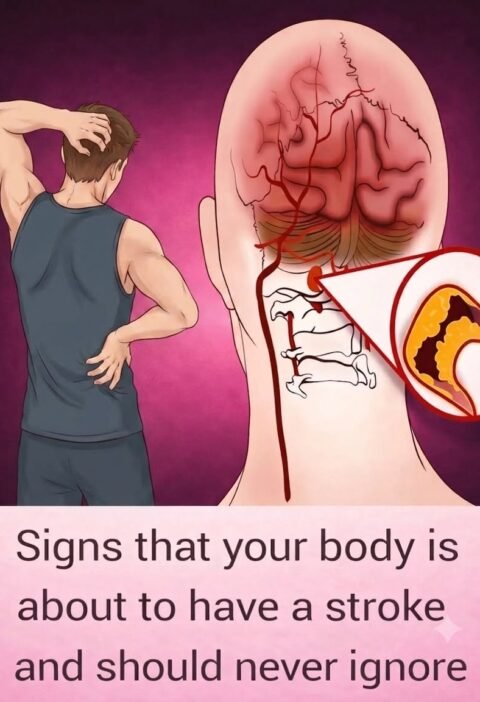
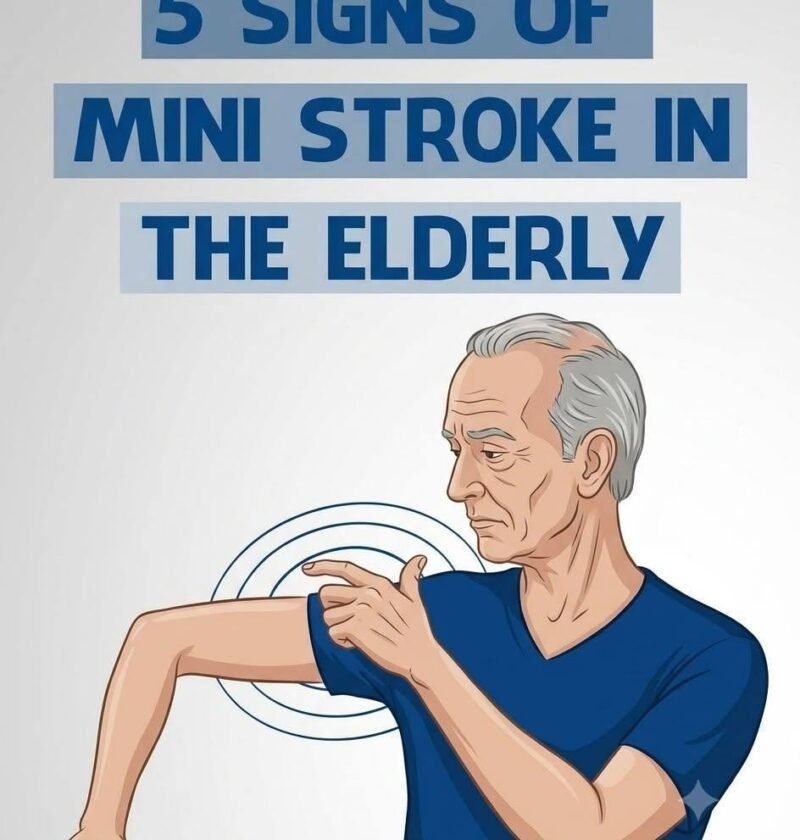
A transient ischemic attack (TIA) is sometimes called a “mini-stroke.” It happens when blood flow to part of the brain is temporarily disrupted. Symptoms may disappear within minutes or hours, but a TIA is still a medical emergency because it can be a warning sign of an impending stroke.
9 symptoms to recognize
Sudden numbness or weakness — especially in the face, arm, or leg, particularly on one side.
Facial drooping — one side of the face may suddenly feel weak or look uneven when smiling.
Sudden trouble speaking — slurred speech, difficulty finding words, or difficulty understanding others.
Sudden vision changes — blurred, double, or lost vision in one or both eyes.
Sudden dizziness or loss of balance — especially if it comes with other neurological symptoms.
Sudden difficulty walking or coordinating movements.
Sudden confusion — unexplained difficulty understanding what is happening around you.
Sudden severe headache — particularly a headache that is unusual for the person or appears abruptly.
Sudden trouble swallowing — especially when accompanied by weakness, speech changes, or facial drooping.
🚨 Don’t wait for symptoms to disappear
The most important point is that TIA symptoms can resolve, but that does not mean the danger has passed. A person who suddenly develops stroke-like symptoms should receive emergency medical evaluation immediately, even if they feel completely normal a few minutes later.
A useful way to remember the major warning signs is BE FAST:
B — Balance: sudden loss of balance or coordination
E — Eyes: sudden vision changes
F — Face: facial drooping
A — Arm: sudden weakness or numbness
S — Speech: difficulty speaking or understanding
T — Time: call emergency medical services immediately
Don’t drive yourself to the hospital if stroke is suspected. Call your local emergency service and note the time the symptoms began—or the last time the person was known to be normal. This information can be crucial for treatment decisions.