Mini-stroke (TIA): why temporary symptoms still matter
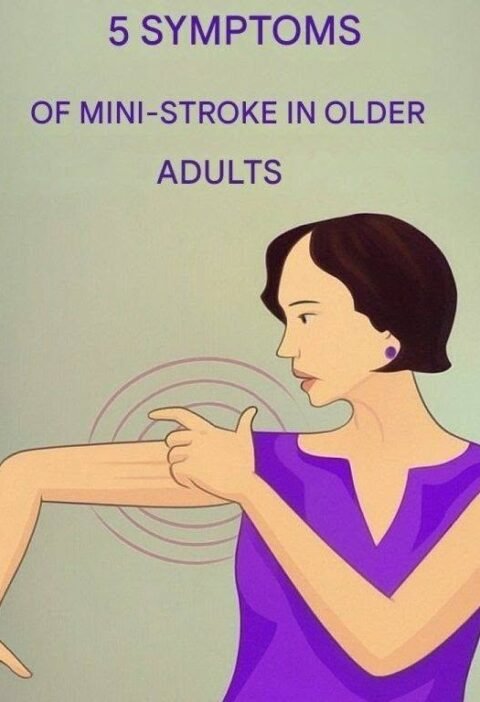
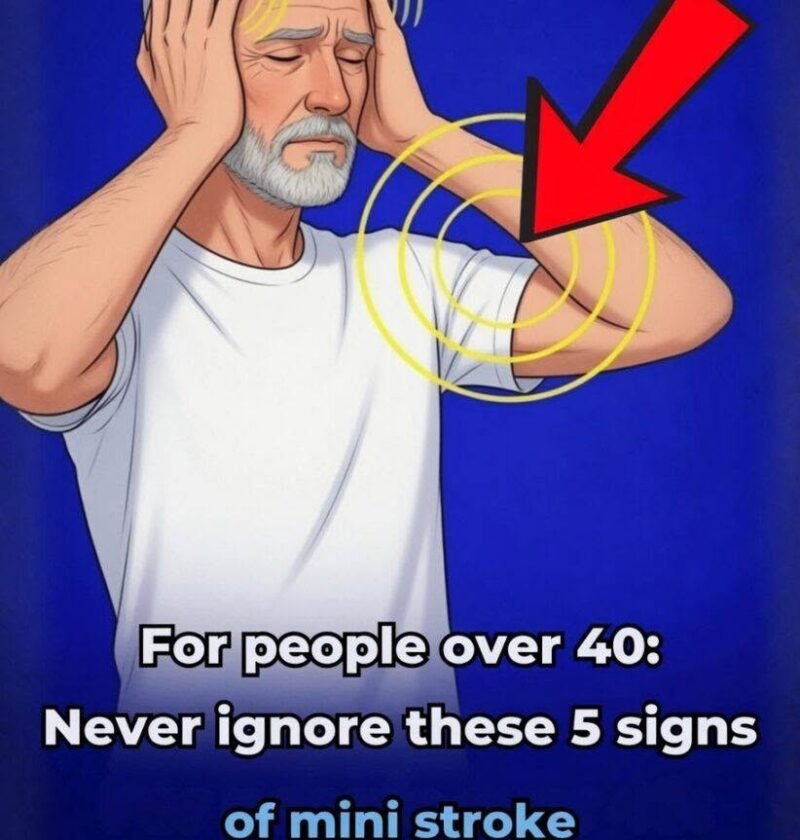
A transient ischemic attack (TIA) is often called a “mini-stroke.” It happens when blood flow to part of the brain is temporarily disrupted, producing stroke-like symptoms that may disappear within minutes or hours. Even when the symptoms completely resolve, a TIA is considered a medical emergency and warning sign of possible stroke. nhs.uk+1
Warning signs to recognize
Think B.E. F.A.S.T.:
-
B — Balance: sudden dizziness, loss of coordination, or difficulty walking.
-
E — Eyes: sudden blurred, double, or lost vision.
-
F — Face: one side of the face suddenly droops or becomes numb.
-
A — Arm: sudden weakness or numbness, particularly on one side.
-
S — Speech: slurred speech, difficulty speaking, or difficulty understanding others.
-
T — Time: seek emergency medical help immediately. www.stroke.org
Other sudden symptoms can include confusion, severe unexplained headache, difficulty swallowing, or weakness/numbness affecting one side of the body. nhs.uk
Why you shouldn’t wait for it to pass
At the beginning, it can be impossible to know whether symptoms are a TIA or an actual stroke. The fact that symptoms disappear doesn’t make it safe to ignore them. Medical assessment can identify possible causes and allow treatment to reduce the risk of a subsequent stroke. nhs.uk+1
Risk factors include high blood pressure, diabetes, high cholesterol, smoking, atrial fibrillation, and heart disease. Age also increases risk, but a TIA can occur in younger adults as well. nhs.uk+1
If you or someone else is experiencing these symptoms now—even if they are getting better—seek emergency medical care immediately. Note the exact time the symptoms began, because timing can affect treatment decisions. www.stroke.org+1