If you’re asking about the claim “Many people with abnormal sugar levels fail to recognize the signals their bodies send out,” the key point is that prediabetes and type 2 diabetes can develop with few or no obvious symptoms. That’s why relying only on how you feel can miss elevated blood glucose.
10 signs that can occur with high blood sugar
- Increased thirst — feeling unusually thirsty or having a persistently dry mouth.
- Frequent urination — especially needing to urinate more often or repeatedly at night.
- Increased hunger — persistent hunger despite eating normally.
- Unexplained weight loss — particularly when glucose is significantly elevated.
- Tiredness or weakness — feeling unusually fatigued.
- Blurred vision — high glucose can temporarily affect the eye’s ability to focus.
- Slow-healing cuts or wounds — diabetes can impair healing.
- Repeated infections — including some skin, urinary or genital infections.
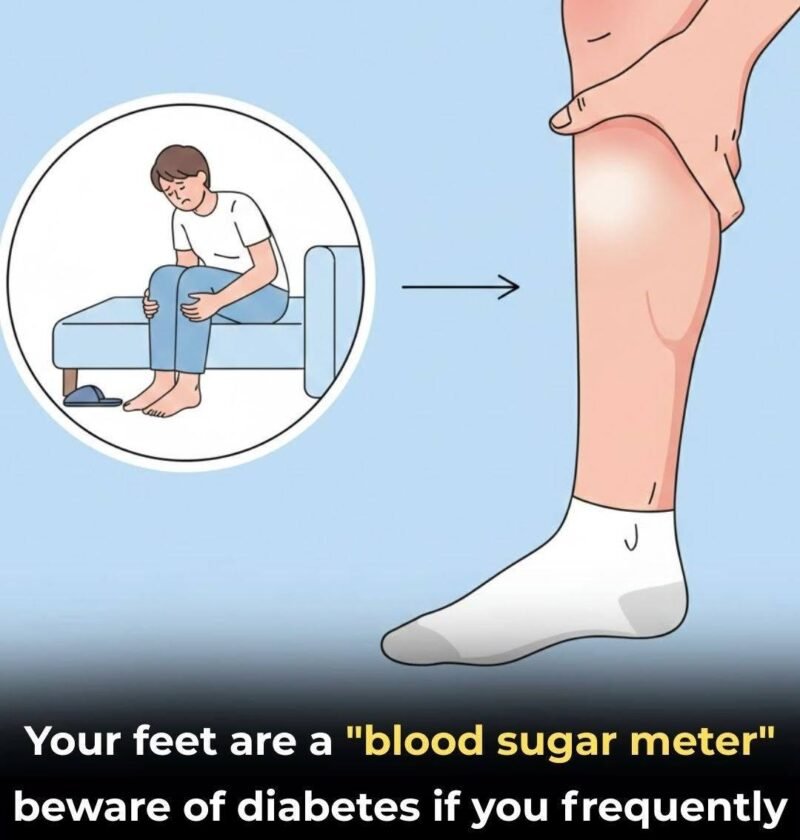
- Tingling or numbness — particularly in the feet or hands, which can occur with diabetic nerve damage.
- Dry or itchy skin — can accompany dehydration or other diabetes-related changes.
CDC educational material specifically lists thirst, frequent urination, fatigue, blurred vision, weakness, headache and dry mouth among symptoms associated with high blood sugar