Leg Cramps at Night: Causes, Prevention & Treatment
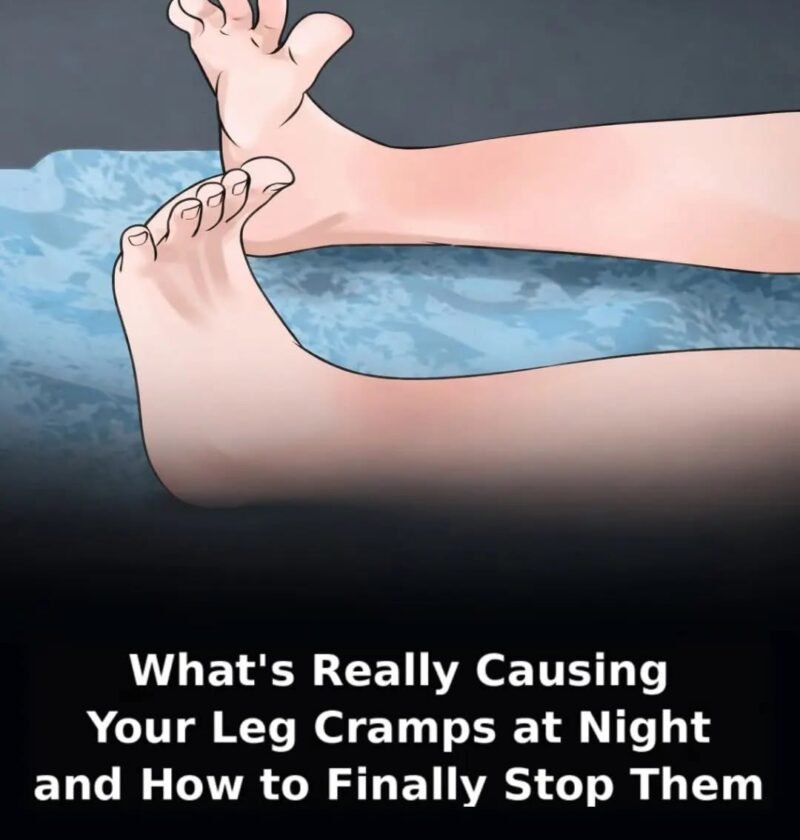
Nighttime leg cramps are sudden, painful muscle contractions that commonly affect the calves, although the feet and thighs can also be involved. They usually last from a few seconds to several minutes and may leave the muscle sore afterward.
Why do they happen?
Often, there is no single identifiable cause. The risk increases with age, and possible contributors include:
- Dehydration
- Muscle fatigue or overuse
- Long periods of sitting or inactivity
- Pregnancy
- Certain medicines, including some diuretics and cholesterol or blood-pressure medicines
- Nerve problems
- Diabetes
- Kidney, thyroid, or circulation problems
- Electrolyte or nutritional problems in some people
What to do when a cramp strikes
1. Stretch the muscle.
For a calf cramp, straighten the leg and gently pull your toes upward toward your face.
2. Stand and put weight on the affected leg if you can do so safely.
3. Massage the cramped muscle gently.
4. Try heat or cold.
A warm shower or bath can relax the muscle; an ice pack may help with lingering soreness.
How to prevent nighttime cramps
- Stay adequately hydrated throughout the day.
- Gently stretch your calves before bedtime.
- A few minutes of light activity, such as stationary cycling, before bed may help.
- Avoid prolonged inactivity when possible.
- Wear supportive footwear.
- If tight bedding presses your feet downward, try loosening the sheets around your feet.
Should you take magnesium?
Don’t automatically assume that nighttime cramps mean you need magnesium, potassium, or calcium supplements. The cause is frequently unknown, and taking supplements unnecessarily can have risks. If cramps are frequent, a healthcare professional can determine whether a medication, medical condition, or nutritional problem could be contributing.
When should you see a doctor?
Talk with a healthcare professional if cramps regularly disturb your sleep, last longer than about 10 minutes, are becoming frequent or severe, or occur with swelling, numbness, persistent pain, or muscle weakness.