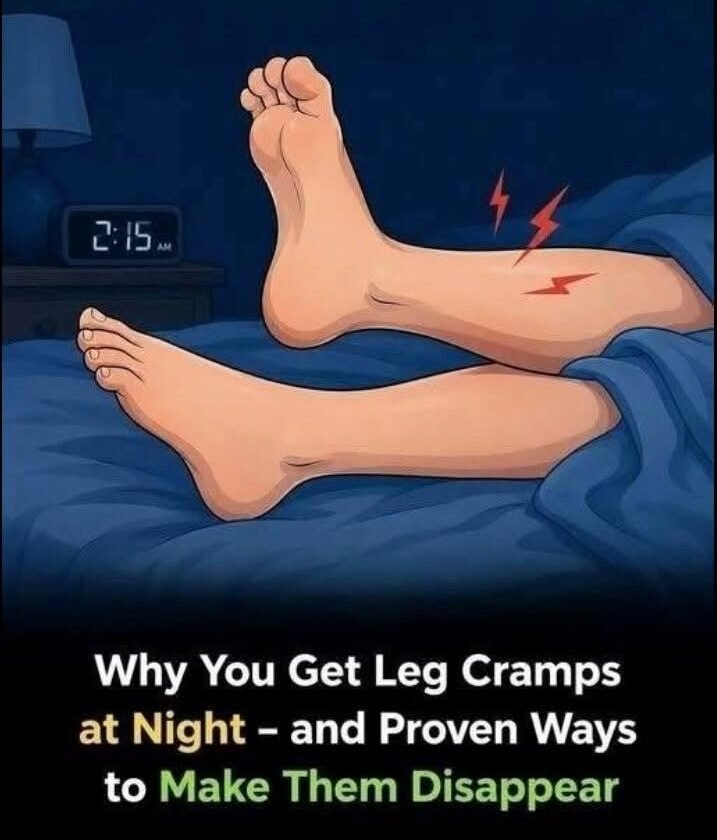
When nighttime leg cramps strike, they often pull you out of a deep sleep with a sudden, agonizing jolt as a calf or foot muscle violently seizes. Because these nocturnal spasms are so disruptive, understanding why they happen—and how to stop them—is essential for reclaiming your rest.
From a clinical perspective, the vast majority of nighttime leg cramps are benign idiopathic leg cramps, meaning they occur without a clear underlying disease.
To separate clinical reality from old wives’ tales, here is a comprehensive look at what causes night cramps, how to prevent them, and what actually works for immediate relief:
The Underlying Causes: Why Do Muscles Seize at Night?
While exact triggers can vary, nocturnal cramps usually stem from neuromuscular fatigue, nervous system signaling quirks, or fluid shifts:
-
Neuromuscular Aging and Fatigue: As we age, the nerve endings that communicate with our muscle fibers undergo minor structural changes, making spontaneous muscle firing more likely. Similarly, pushing your muscles through unusual strain or unaccustomed physical work during the day leaves them fatigued and prone to spasming overnight.
-
Dehydration and Electrolyte Shifts: Muscle cells rely on a precise balance of water and essential electrolytes (magnesium, potassium, and calcium) to contract and relax smoothly. If your fluid intake drops or electrolytes fluctuate, that cellular signaling misfires.
-
Circulatory and Positional Factors: Lying flat for hours changes blood flow and pooling in the lower extremities. For individuals with mild venous insufficiency or poor circulation, these positional changes can contribute to nocturnal discomfort.
-
Pregnancy: Up to 30% of pregnant individuals experience frequent night cramps, largely driven by rapid weight shifts, changing circulation, and altered mineral demands.
-
Medications: Certain prescription drugs—most notably diuretic “water pills” used for blood pressure or fluid retention—can alter electrolyte balances and trigger cramping.
Immediate Relief: What to Do When a Cramp Hits
When a cramp seizes your calf or foot in the middle of the night, quick action helps shorten the spasm:
-
Immediate Stretching: Straighten your leg and pull your toes upward toward your shin (dorsiflexion) to manually lengthen the seizing muscle.
-
Gentle Walking: Once the acute pain eases slightly, getting out of bed and walking around the room for a minute helps encourage the muscle fibers to fully release.
-
Warmth or Gentle Massage: Applying a warm towel, heating pad, or gently massaging the tight muscle can soothe residual cramping.
Evidence-Based Prevention Strategies
Instead of relying on unverified home remedies or expensive gimmick supplements, you can significantly reduce the frequency of night cramps through consistent habits:
-
Stretching Before Bed: Spend 5 to 10 minutes doing gentle calf and hamstring stretches right before you climb into bed.
-
Maintain Steady Hydration: Drink fluids consistently throughout the day rather than trying to chug a massive glass of water right before sleep (which would only lead to waking up for the bathroom).
-
Incorporate Mineral-Rich Foods: Support your cellular electrolyte balance through a diet rich in leafy greens, avocados, bananas, nuts, and seeds. (Always consult your doctor before taking high-dose mineral supplements).
When to See a Doctor: While most night cramps are harmless, speak with your healthcare provider if your cramps are exceptionally severe, happen every single night, are accompanied by noticeable muscle weakness, swelling, or redness, or if they leave your legs feeling persistently numb.
Are you experiencing these cramps frequently at night, or are you looking to fine-tune your nighttime routine for better sleep?