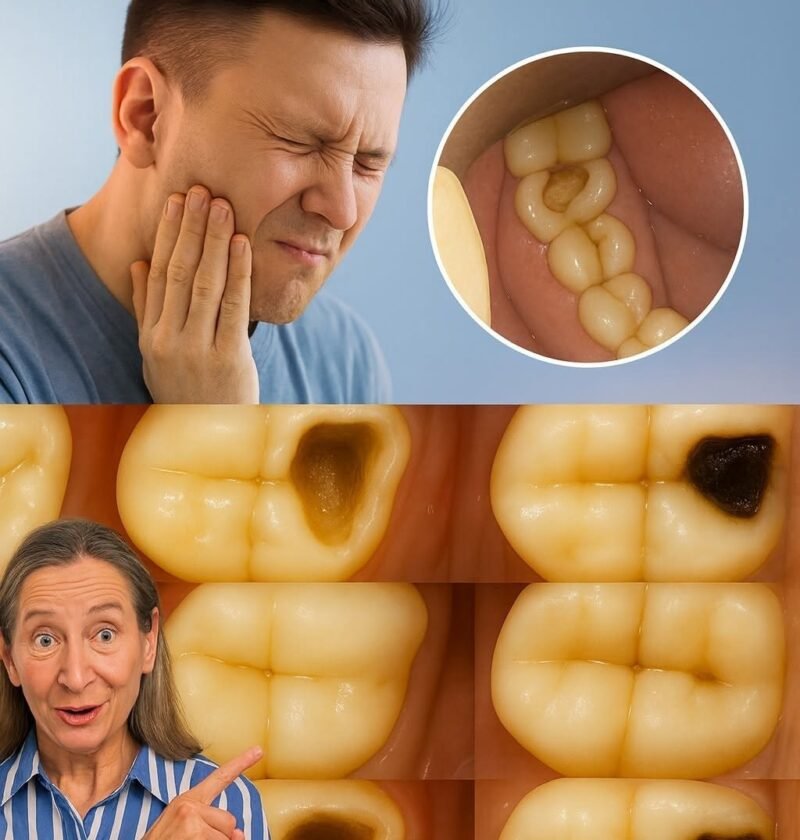
What Can Be Reversed vs. What Needs a Dentist
-
Early Demineralization (Reversible): Acid from plaque bacteria leaches calcium and phosphate out of tooth enamel, leaving dull white or chalky spots without a physical hole. Fluoride and minerals from saliva can rebuild this weakened crystal lattice before the surface breaks.
-
True Cavitation / Dentin Decay (Irreversible Without Filling): Once the enamel surface caves in or decay reaches the softer inner layer beneath enamel, no diet hack, oil, or home paste can grow new tooth tissue. Leaving an actual cavity untreated allows decay to reach the nerve pulp, causing toothaches, infection, or an abscess.
Evidence-Based Ways to Remineralize Early Enamel & Stop Decay
-
Brush Twice Daily With Fluoride Toothpaste: Fluoride attracts calcium and phosphate back onto weakened enamel and makes the rebuilt crystal layer more acid-resistant. Spit out excess foam without rinsing immediately with water so a thin fluoride film stays on teeth.
-
Cut Frequent Sugar & Acid Sipping: Cavity-causing bacteria feed on sugars and starches to make acid. Sipping sweet tea, soda, or fruit juice slowly over an hour keeps teeth under acid attack far longer than finishing a drink in one sitting.
-
Clean Between Teeth Every Day: Flossing or using interdental brushes removes plaque from tight contacts where toothbrush bristles cannot reach and where hidden cavities frequently start.
-
Support Saliva Flow: Saliva washes away food acids and supplies natural calcium and phosphate. Drinking plain water after meals, chewing sugar-free xylitol gum, and avoiding dry mouth help protect enamel.
-
Ask a Dentist About Prescription Fluoride or Nano-Hydroxyapatite: High-fluoride toothpaste or in-office fluoride varnish strengthens early lesions; has growing clinical support for remineralizing early enamel, though it still cannot fill an existing hole.
Common Viral “Natural Cavity Cure” Myths to Skip
-
Oil Pulling Alone: Swishing coconut or sesame oil may slightly reduce surface plaque or freshen breath, but it does not rebuild lost enamel or cure cavities—and should never replace brushing with fluoride toothpaste.
-
Lemon Juice, Vinegar, or Baking Soda Scrubs: Acidic lemons and vinegar erode enamel further, while abrasive powders scratch worn tooth surfaces.
-
“Healing” With Diet or Supplements Alone: Eating calcium, vitamin D, and phosphorus supports general bone and tooth health, yet nutrition alone cannot close a physical hole in a tooth.