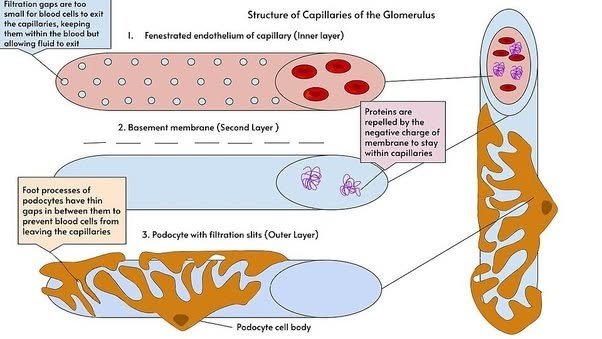
Yes. Long-standing or poorly controlled high blood pressure can damage the kidneys’ tiny filtering blood vessels, allowing proteins—especially albumin—to leak into the urine. This is called albuminuria/proteinuria.
N
NIDDK
+1
Why can the urine look foamy?
Normally, the kidney filters keep most protein in the bloodstream. When the filters are damaged, protein can pass into the urine. Persistent or unusually foamy urine can be a sign of significant protein in the urine, although occasional bubbles can occur for harmless reasons.
N
NIDDK
+1
There can also be a vicious cycle: high blood pressure can damage the kidneys, while kidney disease can itself raise blood pressure.
N
NIDDK
What should you do?
If you have high blood pressure and repeatedly notice foamy urine, ask your clinician about:
Urine albumin-to-creatinine ratio (UACR) — measures albumin leakage.
Blood creatinine and eGFR — assess kidney filtration.
Regular blood-pressure monitoring.
N
NIDDK
+1
Also mention swelling around the eyes, ankles or feet, unexplained weight gain, or changes in urination, as these can accompany more substantial protein loss.
N
NIDDK
Important: Foamy urine doesn’t prove that high blood pressure is causing kidney damage. Diabetes, other kidney diseases, dehydration, fever, and strenuous exercise can also be associated with protein in the urine.
A
American Kidney Fund
If you have a recent blood-pressure reading, creatinine/eGFR, or urine protein/UACR result, I can help you understand what it means.
N
A
Sources