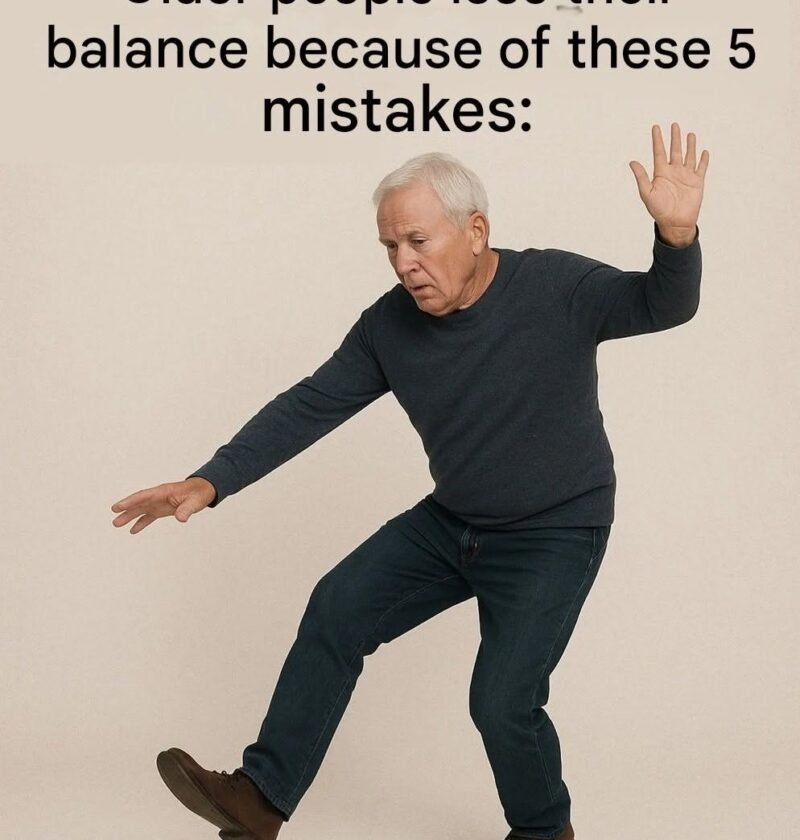
5 Common Mistakes That Can Increase Balance Problems in Older Adults
Balance naturally can change with age, but falls are not an inevitable part of getting older. Several everyday habits can increase the risk of losing balance.
- Being too inactive
Avoiding movement can weaken the legs and core and reduce balance skills. Regular walking plus strength and balance exercises can help. - Ignoring vision changes
Poor vision makes it harder to detect obstacles, steps, and changes in floor level. Regular eye examinations are important. - Wearing unstable footwear
Loose slippers, worn soles, and shoes without adequate support can make falls more likely. Well-fitting shoes with a secure heel and good traction are generally safer. - Taking medications without reviewing their effects
Some medications can cause dizziness, drowsiness, or a drop in blood pressure. Older adults should periodically review their medications with a doctor or pharmacist rather than stopping anything themselves. - Leaving fall hazards around the home
Loose rugs, clutter, poor lighting, and electrical cords can turn ordinary walking into a hazard. Keeping pathways clear and adding adequate lighting can make a meaningful difference.
A sixth thing worth checking
If someone has new or worsening balance problems, don’t assume it’s simply aging. Inner-ear disorders, neurological conditions, low blood pressure, medication effects, vitamin deficiencies, and other medical problems can contribute.
A sudden loss of balance, especially with facial drooping, weakness, numbness, trouble speaking, severe headache, or vision changes, requires emergency medical attention.