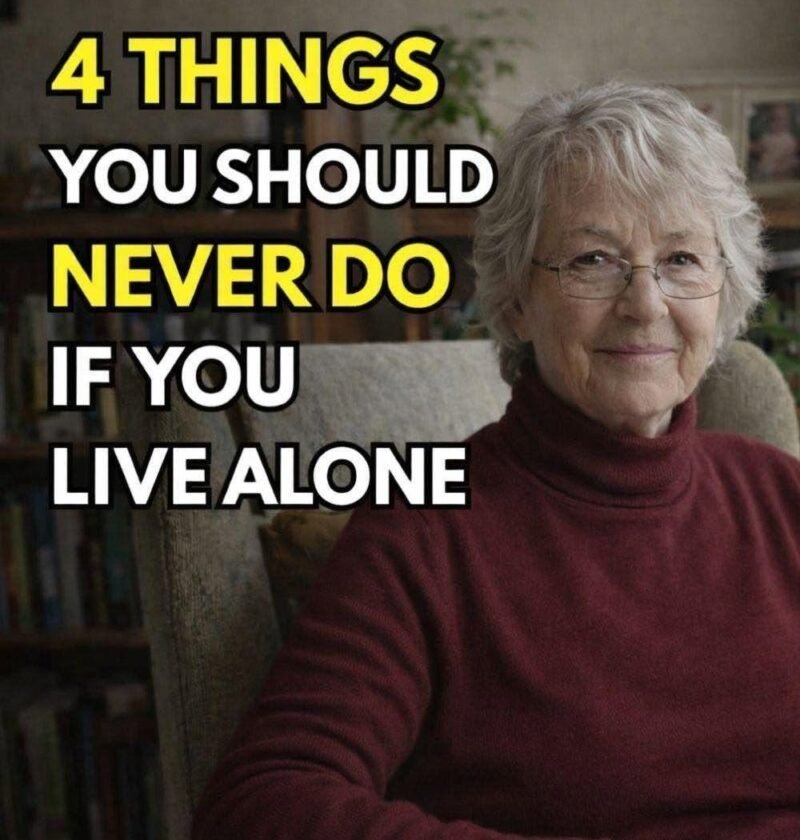
If you’re looking for the four habits behind that idea, living alone doesn’t have to mean being lonely. A strong approach is to build a life that gives you regular connection, purpose, movement, and enjoyment.
4 practical tips
- Keep regular contact with people
Don’t wait until you feel lonely. Schedule phone calls, visits, community activities, religious or social gatherings, or time with neighbors and friends. - Give your days some structure
Have a few things you genuinely look forward to—a morning walk, gardening, reading, cooking, volunteering, or a weekly outing. Purpose helps prevent days from becoming isolated and repetitive. - Keep your body moving
Walking, strength exercises, and balance activities can help maintain independence and make it easier to participate in social life. The CDC recommends that older adults include aerobic activity, muscle strengthening, and balance activities as appropriate. (cdc.gov) - Learn to enjoy your own company
Solitude can be very different from loneliness. Develop activities you enjoy doing alone—music, books, cooking, hobbies, photography, puzzles, or simply sitting outside with a cup of tea.
The goal isn’t to never be alone. It’s to have a life where you can comfortably enjoy solitude while still maintaining meaningful connections with other people.