If Your Veins Are Visible, It Means You Are… Here’s What Your Body May Be Telling You
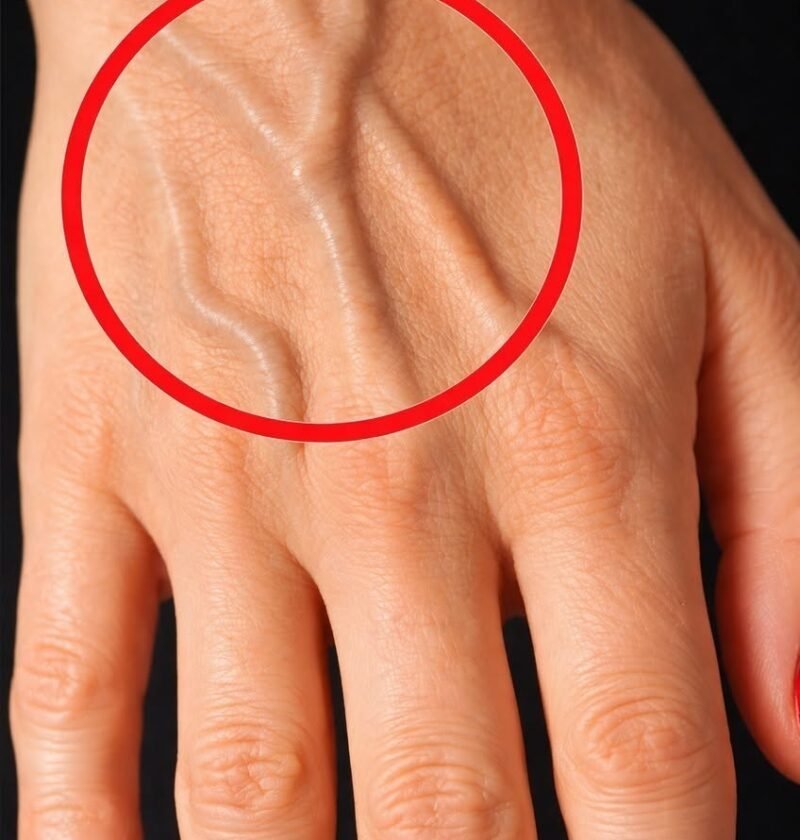
Have you ever noticed blue or green veins showing through your hands, arms, legs, or chest and wondered whether it means something about your health?
Visible veins are often completely normal. They can be more noticeable because of your skin tone, body fat, age, genetics, temperature, or physical activity. In some cases, however, changes in the appearance of your veins can point to an underlying circulation problem.
The key is to look at where the veins appear, whether they are new, and whether you have other symptoms.
6 reasons your veins may be visible
If your skin is thin or has less tissue beneath it, veins may be easier to see. This is common on the hands and forearms and can become more noticeable with age.
Exercise increases blood flow, and muscle contractions can temporarily make veins stand out. This is especially noticeable after weightlifting or strenuous activity.
Less fat beneath the skin can make surface veins more prominent. Visible veins alone do not establish whether your body weight is healthy or unhealthy.
Heat causes blood vessels near the skin to widen, making veins more noticeable. They often become less prominent when your body cools down.
As skin loses thickness and elasticity, veins may become easier to see. This is a common age-related change and does not necessarily indicate poor circulation.
Enlarged, twisted, bulging veins—especially in the legs—can develop when the valves inside veins do not work properly. Aching, heaviness, itching, or swelling can accompany them.
When are visible veins a warning sign?
Most visible veins are harmless, especially when they have looked the same for years. However, get medical advice if you notice a sudden change, persistent pain, warmth, skin discoloration, or swelling.
Seek emergency care if you develop sudden shortness of breath or chest pain along with possible symptoms of a blood clot, such as pain and swelling in one leg.
The bottom line
Visible veins may simply mean you have thin skin, less underlying body fat, or a normal response to exercise or warmth. They do not automatically mean you are unhealthy, dehydrated, or have poor circulation.
What matters most is whether the veins are new, swollen, painful, or accompanied by other symptoms.
Where are your veins most visible?
2. When did you notice them?
3. Are there other symptoms?
Explain what my symptoms may mean