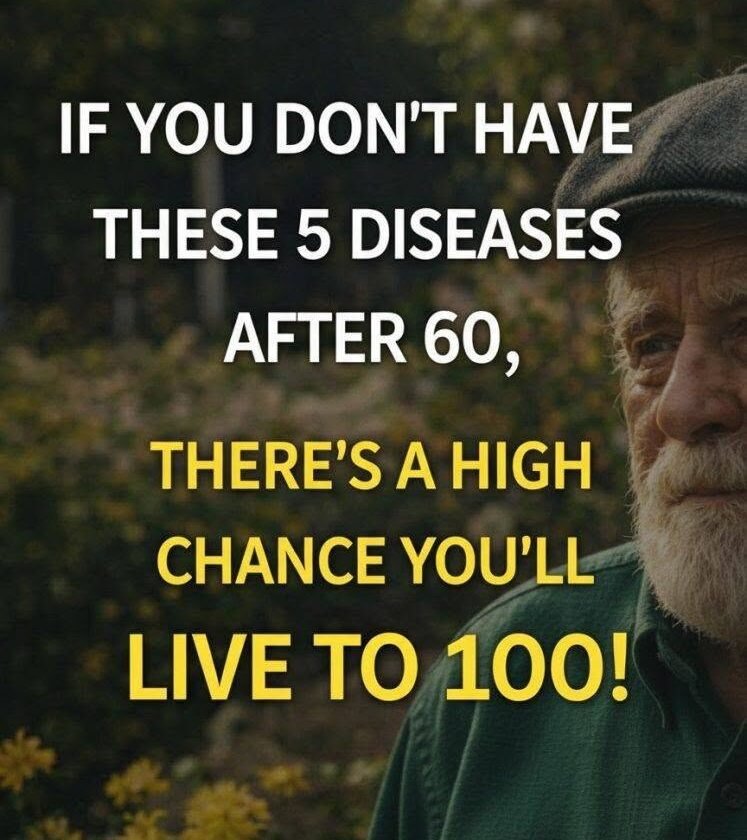
That claim is too strong. Reaching 60 without certain chronic diseases can be a very favorable sign, but there is no scientifically established list of five diseases whose absence means you have a high probability of reaching 100.
What matters more is your overall health and risk profile.
Five major conditions worth preventing or controlling
Heart disease — cardiovascular disease remains one of the major causes of death in older adults.
Stroke — controlling blood pressure, cholesterol, diabetes, smoking, and other risk factors substantially reduces risk.
Type 2 diabetes — maintaining a healthy weight, staying active, and managing blood glucose can help prevent complications.
Cancer — age-appropriate screening and avoiding tobacco are important, although cancer cannot always be prevented.
Dementia — risk is influenced by age and genetics, but blood-pressure control, physical activity, hearing care, avoiding smoking, and managing cardiovascular risk may help reduce risk.
The bigger picture
Someone who reaches 60 with good cardiovascular health, normal or well-controlled blood pressure and blood sugar, good physical function, healthy lifestyle habits, and strong social connections generally has a better chance of healthy longevity than someone with multiple uncontrolled chronic conditions.
But genes, socioeconomic circumstances, accidents, infections, cancer, and many other factors also influence lifespan. Even exceptionally healthy 60-year-olds cannot be reliably assigned a probability of reaching 100 based simply on whether they have five diseases.
So be skeptical of headlines promising “live to 100 if you avoid these five diseases.” The useful message is not that five diseases determine your lifespan—it’s that preventing and effectively managing major chronic diseases can substantially improve both longevity and quality of life.