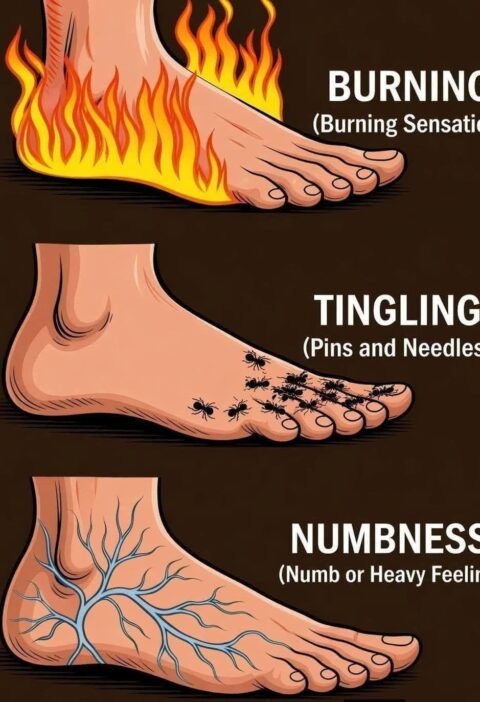
Viral health headlines love to use ominous warnings like “If you get night cramps, your body is sending a dire warning”—often implying an imminent medical emergency or a mysterious, incurable deficiency.
Neurologists and sports medicine physicians want to cut through the panic: while nighttime leg cramps are intensely painful and disruptive, they are extremely common and usually stem from everyday physiological triggers rather than a severe hidden disease.
What Actually Triggers Nocturnal Leg Cramps?
A nocturnal leg cramp is essentially a sudden, involuntary, and painful spasm of the muscle—most frequently the calf muscle or the muscles in the foot. The primary contributors include:
-
Muscle Overuse or Fatigue:
-
Standing for long hours on hard floors, intense or unaccustomed physical workouts, or prolonged sitting can exhaust the muscle fibers, making them prone to misfiring when you finally relax into bed.
-
-
Dehydration and Electrolyte Shifts:
-
Inadequate fluid intake or minor imbalances in key electrolytes—specifically magnesium, potassium, and calcium, which govern how muscles contract and relax—can disrupt normal neuromuscular signaling.
-
-
Nerve Compression or Poor Circulation:
-
Mild nerve irritation (such as minor compression in the lower spine) or reduced blood flow to the lower extremities can increase muscle irritability as you rest.
-
-
Pregnancy and Age:
-
Hormonal shifts, increased metabolic demands, and natural changes in tendon elasticity and muscle mass as we age make both older adults and pregnant individuals more susceptible to cramping.
-
Evidence-Based Relief and Prevention
-
Gentle Movement and Stretching: When a cramp strikes, gently flexing your foot upward (pulling your toes toward your shin) or standing up to put gentle weight on the leg helps stretch and release the spasming muscle. Regular daily calf stretches before bedtime can also significantly reduce frequency.
-
Hydration and Balanced Nutrition: Ensuring consistent water intake throughout the day and eating a nutrient-rich diet containing leafy greens, nuts, seeds, and fruits helps maintain stable electrolyte levels.
-
When to Check with a Doctor: While occasional night cramps are harmless, if they are severe, constant, accompanied by weakness, or paired with swelling and color changes in your legs, it’s worth discussing with a physician to rule out underlying vascular or neurological issues.
Are you dealing with frequent nighttime cramps yourself, or looking into strategies to improve your sleep and recovery?