Visible Veins: What Do They Actually Mean?
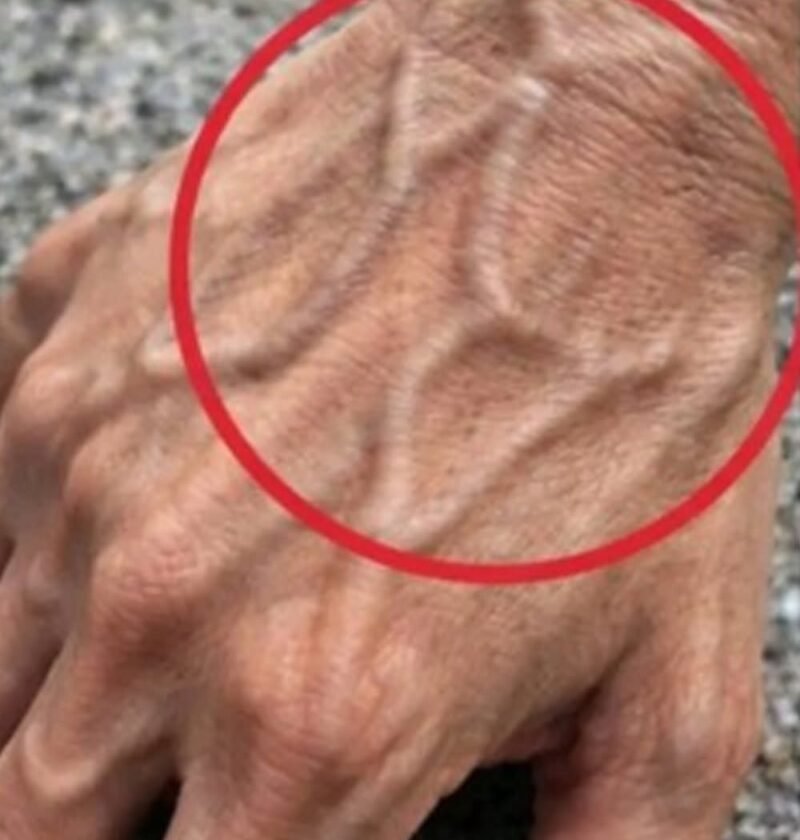
Visible veins usually don’t mean that something is wrong. How prominent your veins look depends on genetics, skin thickness, body-fat level, muscle mass, temperature, hydration, exercise, and age.
Common reasons veins become more noticeable include:
Exercise: Increased blood flow and temporary vessel dilation can make veins stand out.
Lower body fat: Less tissue covering the veins makes them easier to see.
Heat: Warm temperatures can dilate blood vessels.
Genetics: Some people naturally have more prominent superficial veins.
Aging: Skin becomes thinner and loses some elasticity over time.
When visible veins deserve attention
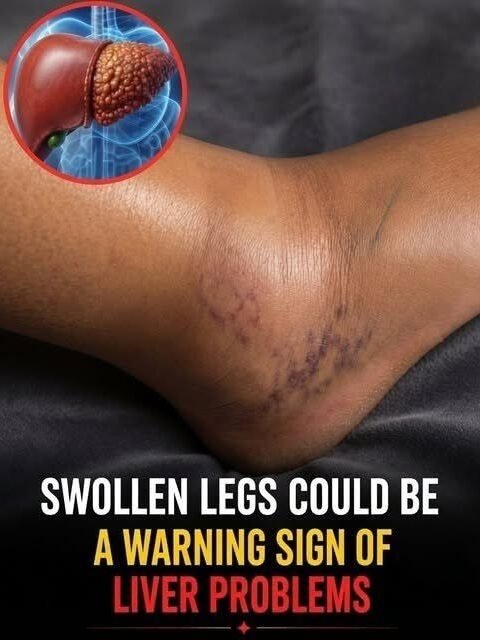
A vein that suddenly becomes prominent, particularly if it’s painful, red, warm, swollen, or accompanied by swelling of one arm or leg, should be medically evaluated. These symptoms can sometimes indicate a blood-clot or vein problem.
Also seek urgent care for sudden chest pain, shortness of breath, coughing blood, or fainting, which can be symptoms of a pulmonary embolism.
Bottom line: Visible veins alone aren’t a reliable sign of high blood pressure, “good circulation,” dehydration, or any particular disease. Their appearance is usually a combination of normal anatomy and individual factors.