Ah, the classic houseplant suspense trap! Few things rival the internet’s talent for taking something as peaceful and innocent as a potted fern or a peace lily and turning it into a dramatic, high-stakes domestic crisis behind a “See more” button.
When a clickbait headline warns you that owning a specific houseplant means you are harboring a secret danger (or sitting on a magical health fortune), it’s playing on two powerful emotions: parent/pet panic or indoor-jungle anxiety.
Here is the realistic, un-dramatized breakdown of what these houseplant warnings usually boil down to:
What the Clickbait Is Usually Trying to Scare You With
Articles like this generally split into two extreme directions:
-
The Toxic Plant Panic (Pets & Kids):
-
The Claim: “Your favorite houseplant is secretly poisoning your home and your pets!”
-
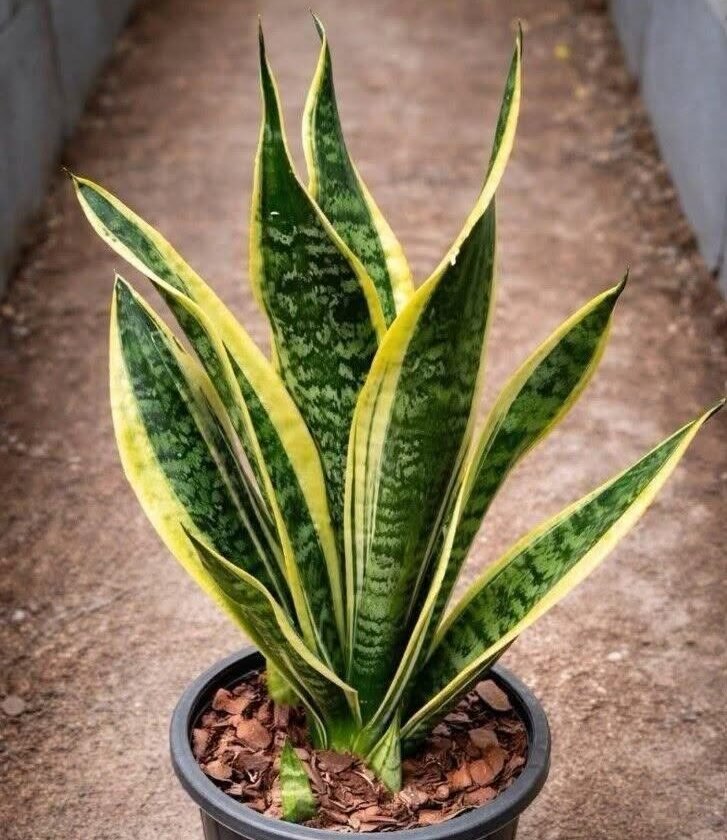
The Reality: It is true that several common houseplants (like Pothos, Snake Plants, Philodendrons, and ZZ plants) contain calcium oxalate crystals. If a cat or dog chews on the leaves, it can cause mouth irritation, drooling, and digestive upset. But they aren’t emitting toxic vapors into the air or turning your living room into a hazardous waste zone. They just need to be kept out of reach of curious chewers!
-
-
The “Miracle Air Purifier” Myth:
-
The Claim: “This one plant cleans your indoor air better than an expensive HEPA filter!”
-
The Reality: This usually traces back to a famous 1989 NASA study. While plants do absorb trace gases, scientists later pointed out that to actually clean the air in a normal home as effectively as the study suggested, you would need a dense, jungle-like greenhouse setup filling every square inch of your house. A single potted pothos on a bookshelf isn’t going to replace a proper ventilation system.
-
Why Houseplants Are Actually Great (Without the Drama)
You don’t need a clickbait headline to appreciate having plants around your home. While they won’t cure diseases or act as silent assassins, keeping houseplants offers genuine, low-key benefits:
-
Mental Well-Being: Interacting with and caring for living green things has been shown in psychological studies to lower stress levels and boost mood.
-
Mindful Routine: Watering, pruning, and checking on plants gives us a grounding, screen-free ritual to slow down during a busy day.
💡 The Bottom Line: Unless you have a cat or puppy who treats your living room like an all-you-can-eat salad bar (in which case, just check if your plants are pet-safe), your houseplant is just a quiet, decorative green companion—not a secret medical emergency.
Did this article try to convince you that your favorite plant was slowly poisoning your family, or was it claiming it had supernatural air-purifying powers?