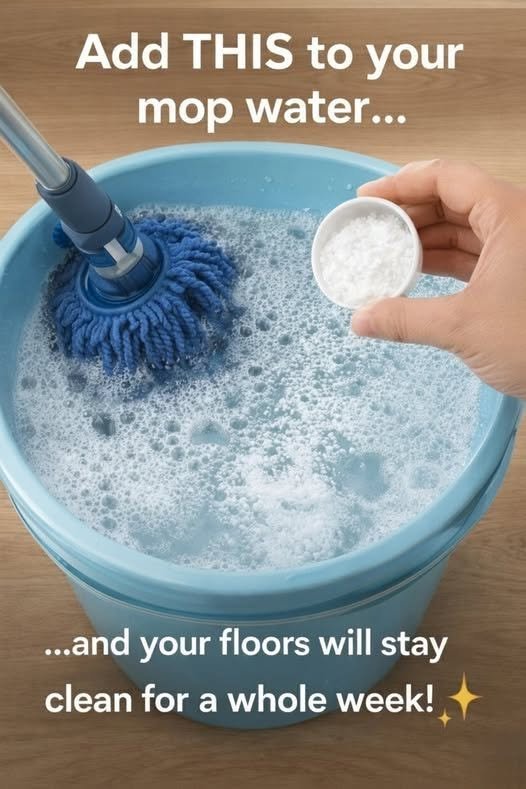
That classic, irresistible curiosity hook—“I didn’t believe this floor trick until I tried it… now I’ll never go back”—is a staple of viral life-hack videos and clickbait slideshows.
Usually, these videos show someone pouring a bizarre concoction of dish soap, fabric softener, laundry detergent, and mysterious essential oils onto their kitchen floor, scrubbing it with a damp mop or a microfiber towel wrapped around a broom, and revealing a miraculously shiny, dust-repellent surface.
When you cut through the dramatic storytelling and influencer hype, these viral “floor tricks” usually boil down to a few basic cleaning principles (and a couple of things you should actually avoid).
What Are These Viral Floor “Tricks” Usually Doing?
Most of these viral hacks rely on a combination of everyday household items. Here is what is actually happening chemically when people try them:
-
The DIY “Miracle Polish” (Fabric Softener & Vinegar/Soap):
-
The Claim: Makes floors shine like glass and keeps dust from settling for weeks.
-
The Reality: Fabric softener contains surfactants and conditioning agents that leave a microscopic, waxy film on hard floors. While it might temporarily make a dull tile or laminate floor look glossy and repel dust for a day or two, that waxy residue builds up over time. Eventually, it attracts dirt, makes floors sticky, and can turn high-traffic areas into slippery hazards.
-
-
The “Baking Soda and Hydrogen Peroxide” Grout Scrub:
-
The Claim: Instantly erases years of grime between tiles with zero effort.
-
The Reality: This one actually has some chemical merit! Baking soda acts as a mild abrasive, and peroxide helps lift stains and sanitize. It works well for spot-cleaning tile grout, though it usually requires a bit of actual elbow grease rather than just magic.
-
-
The “Dish Soap & Hot Water” Mop:
-
The Claim: Cuts through grease and grime better than any store-bought cleaner.
-
The Reality: While dish soap is great for dishes, using too much of it on floors is a common mistake. It leaves behind a soapy film that doesn’t rinse away easily with a standard mop, leaving floors looking cloudy and dull.
-
What Actually Works Best for Floors?
You don’t need a viral internet cocktail to keep floors clean. Safe, long-lasting floor care depends entirely on the material:
-
Hardwood: Requires a barely damp mop and a pH-neutral cleaner designed specifically for wood. Too much water or harsh chemicals can warp the boards or strip the finish.
-
Tile and Vinyl: Warm water with a few drops of gentle floor cleaner (or a splash of white vinegar for tile) works wonders without leaving a sticky, dirt-attracting residue.
Did a viral video catch your eye with a specific floor cleaning concoction, or are you looking for the best way to clean a particular type of flooring in your home?