Baking soda for dark spots, wrinkles, and dark circles: does it work?
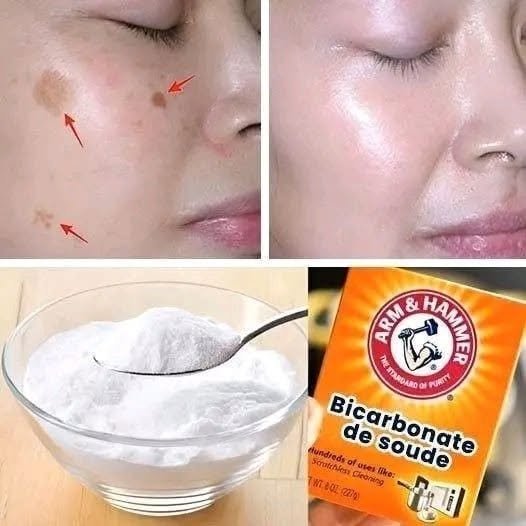
The viral beauty tip “use baking soda to remove dark spots, wrinkles, and dark circles” isn’t supported by good evidence. Baking soda (sodium bicarbonate) is alkaline, while healthy skin has a naturally mildly acidic surface. Applying it to your face can irritate the skin barrier, causing dryness, redness, burning, or worsening pigmentation.
What about the three problems?
-
Dark spots: Baking soda hasn’t been shown to safely remove hyperpigmentation. Irritation can actually make dark marks more noticeable, particularly in darker skin tones.
-
Wrinkles: It cannot reverse the underlying loss of collagen that causes wrinkles.
-
Dark circles: Dark circles have many causes—including genetics, pigmentation, thin skin, allergies, and shadows from facial anatomy. Baking soda doesn’t address these causes.
Safer alternatives
For dark spots, consistent broad-spectrum SPF 30+ sunscreen is one of the most important steps. Depending on the cause, ingredients such as azelaic acid, vitamin C, or retinoids may help.
For wrinkles, sunscreen and a topical retinoid are among the better-supported options.
For dark circles, treatment depends on whether the main issue is pigmentation, visible blood vessels, allergies, or hollowness. A dermatologist can distinguish these.
Avoid these DIY combinations
Don’t mix baking soda with lemon juice, vinegar, hydrogen peroxide, or toothpaste and apply them to your face. Combining household ingredients doesn’t make them safer or more effective and can cause chemical irritation.
Bottom line: Baking soda may make skin feel temporarily “cleaner” or smoother, but that isn’t the same as treating pigmentation or wrinkles. For facial skin, a gentle cleanser, moisturizer, and daily sunscreen are much safer foundations.