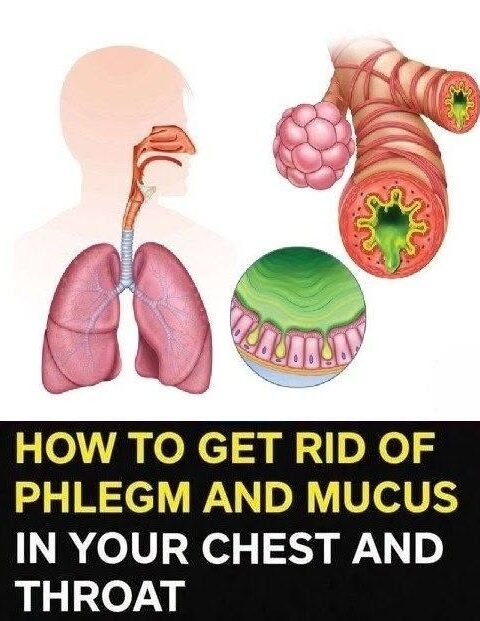
How to Get Rid of Phlegm and Mucus in Your Chest and Throat
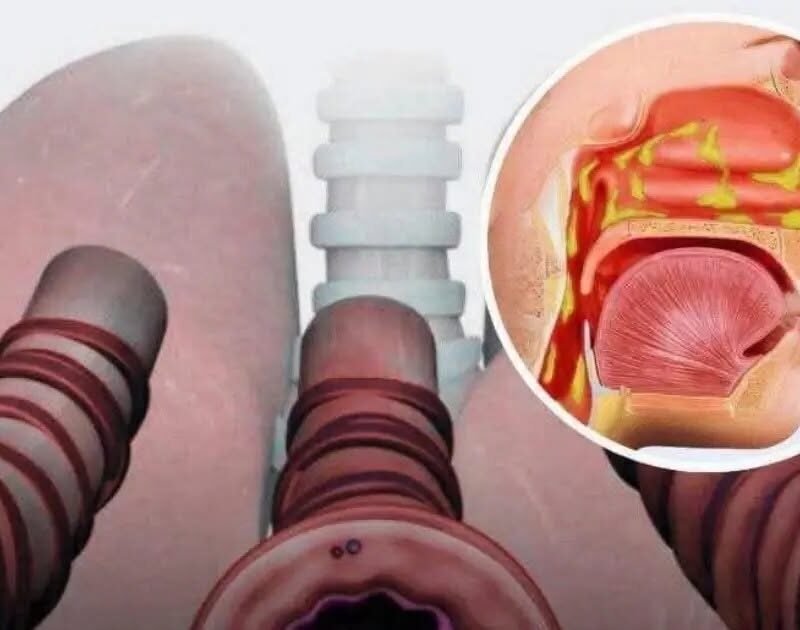
Phlegm is mucus produced by the airways. It commonly increases with colds, allergies, post-nasal drip, asthma, smoking, or respiratory infections. Usually, the goal isn’t to completely stop mucus production, but to help your body clear it.
7 things that can help
-
Drink plenty of fluids
Water and warm liquids can help keep mucus less thick and easier to cough up. -
Try warm steam or a humidifier
Moist air may soothe irritated airways and make thick mucus feel easier to clear. Avoid very hot steam that could cause burns. -
Use saline for nasal congestion
A saline nasal spray or rinse can help remove mucus from the nose and reduce post-nasal drip into the throat. If using a nasal rinse, use distilled, sterile, or previously boiled and cooled water. -
Don’t suppress a productive cough unnecessarily
Coughing is one of the body’s mechanisms for clearing mucus from the airways. Gentle coughing can help move phlegm upward. -
Avoid smoke and other airway irritants
Cigarettes, vaping, strong fragrances, and polluted air can increase irritation and mucus production. -
Consider an expectorant when appropriate
Some people use guaifenesin to help loosen mucus. Check the product directions and ask a pharmacist or doctor if you take other medicines or have underlying medical conditions. -
Treat the underlying cause
Persistent mucus from allergies, asthma, reflux, or an infection won’t necessarily improve simply by trying to remove the mucus. Treating the cause is often more effective.
When to seek medical care
Get prompt medical attention if you have difficulty breathing, chest pain, coughing up significant amounts of blood, blue/gray lips, confusion, or severe weakness.
See a healthcare professional if mucus or cough persists for several weeks, repeatedly returns, or is accompanied by fever, unexplained weight loss, night sweats, wheezing, or worsening breathlessness.
Also, yellow or green mucus does not automatically mean you need antibiotics. Mucus color alone can’t reliably distinguish a bacterial infection from other causes.