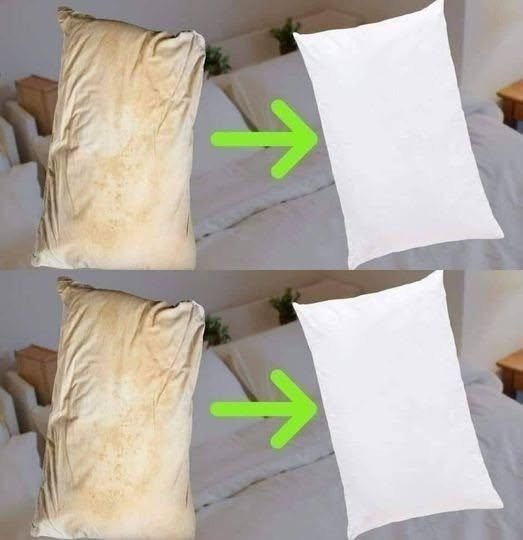
🛏️ How to Clean Dirty Bed Pillows and Make Them Fresh Again
Yellowing and unpleasant odors usually come from sweat, body oils, saliva, and moisture. You can often freshen washable pillows, but the safest method depends on the filling.
1. Check the care label first
- Polyester, cotton, and many down/feather pillows: often washable.
- Memory foam or latex: generally should not go into a washing machine or be soaked.
- Remove pillowcases and protectors before cleaning.
2. For machine-washable pillows
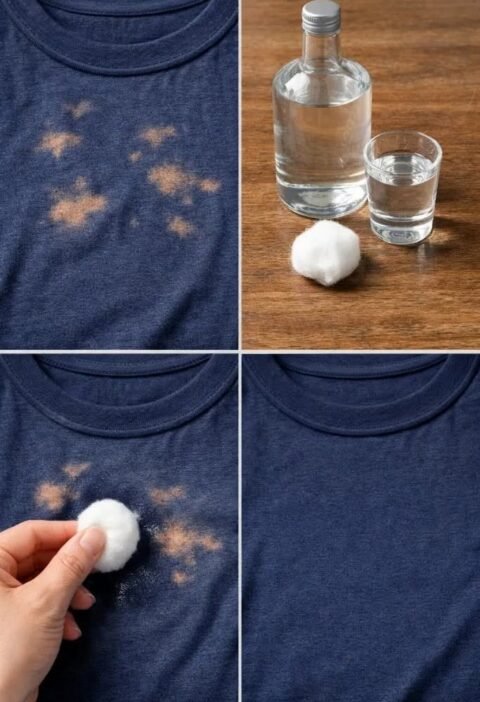
- Pretreat obvious stains with a small amount of liquid laundry detergent.
- Wash according to the manufacturer’s instructions, preferably with a gentle cycle.
- Use the recommended amount of detergent—more isn’t better.
- Run an extra rinse if the care instructions permit it.
- Dry the pillow completely according to its label. Damp filling can develop odors and potentially mold.
For white washable pillows, an oxygen-based bleach may help with yellowing if the manufacturer permits it. Avoid mixing cleaning chemicals.
3. For pillows that cannot be washed
Vacuum or gently brush the surface, spot-clean according to the manufacturer’s instructions, and allow the pillow to air out thoroughly. Don’t saturate memory foam or latex.
🌸 To keep them smelling fresh
Use a washable pillow protector underneath your pillowcase and wash the protector and pillowcase regularly. Make sure the pillow is completely dry before putting it back on the bed.
Avoid viral “miracle” mixtures involving bleach, vinegar, ammonia, or other household chemicals. Mixing cleaning products can release dangerous fumes.
Bottom line: The best recipe for clean, fresh pillows is check the label → wash appropriately → rinse well → dry completely. A pillow that’s permanently yellow, lumpy, damaged, or still smells after proper cleaning may simply need replacing.