Guava Leaves: A Natural Treasure — 15 Reasons to Drink Guava Leaf Tea
While most people enjoy the sweet tropical taste of the guava fruit, the leaves of the guava tree (Psidium guajava) are a hidden powerhouse in natural wellness. Packed with potent antioxidants, flavonoids, tannins, and anti-inflammatory compounds, guava leaves have been used for centuries in traditional medicine.
Brewing them into a simple herbal tea is an easy way to unlock a wide array of health benefits. Here are 15 reasons to consider adding guava leaf tea to your routine:
Metabolic & Heart Health
-
Supports Blood Sugar Balance: Guava leaves contain active compounds that help inhibit enzymes which break down carbohydrates into glucose in your digestive tract, helping prevent sharp blood sugar spikes after meals.
-
Lowers “Bad” Cholesterol: Regular consumption of guava leaf tea has been shown in studies to help reduce LDL (low-density lipoprotein) cholesterol and triglycerides without harming beneficial HDL cholesterol.
-
Aids in Weight Management: By preventing complex carbohydrates from turning into sugars and excess fats, guava leaf extract supports a healthy metabolism and helps curb sudden cravings.
-
Supports Blood Pressure Regulation: The rich blend of antioxidants and potassium in guava leaves helps relax blood vessels and improve circulation, reducing strain on the cardiovascular system.
Digestion & Gut Health
-
Stops Diarrhea and Dysentery: Globally, guava leaf tea is most famous as a natural remedy for infectious diarrhea. Its strong antibacterial properties help kill off gut pathogens while soothing the intestinal lining.
-
Soothes Upset Stomachs: The tea stimulates the production of digestive enzymes and reduces excess mucus production in the gut, making it helpful for easing mild food poisoning, nausea, and indigestion.
Immunity & Protection
-
Boosts Immune Defenses: Rich in Vitamin C and potent polyphenols, guava leaves help strengthen your white blood cells’ ability to fight off everyday infections.
-
Fights Cold, Cough, and Mucus: A warm decoction of the leaves acts as a natural expectorant, helping to clear excess mucus from the respiratory tract, lungs, and throat during a cold or flu.
-
Provides Rich Antioxidant Defense: They are packed with quercetin, lycopene, and vitamin C, which neutralize free radicals that cause cellular damage and premature aging.
Relief & Comfort
-
Eases Menstrual Cramps: Thanks to their natural antispasmodic and muscle-relaxing properties, drinking guava leaf tea can help significantly reduce the intensity of painful uterine cramps during menstruation.
-
Improves Sleep Quality: Drinking a cup of warm guava leaf tea in the evening helps calm the nervous system, quiet the mind, and promote deeper, more restorative sleep.
-
Relieves Toothaches and Gum Pain: Because of their powerful anti-inflammatory and antibacterial qualities, a concentrated tea or paste made from the leaves can be used as a mouth rinse to soothe toothaches, bleeding gums, and mouth ulcers.
Skin, Hair, and Brain Support
-
Promotes Clear, Glowing Skin: The high concentration of antioxidants and natural astringents helps fight acne-causing bacteria when applied topically or consumed as tea, tightening skin texture and minimizing blemishes.
-
Fights Hair Loss and Dandruff: Massaging a cooled guava leaf rinse into the scalp helps strengthen hair roots, calm scalp inflammation, and reduce dandruff.
-
Supports Brain Function: Containing essential B vitamins like Niacin (B3) and Pyridoxine (B6), guava leaves help stimulate healthy blood circulation to the brain, supporting cognitive focus and nerve relaxation.
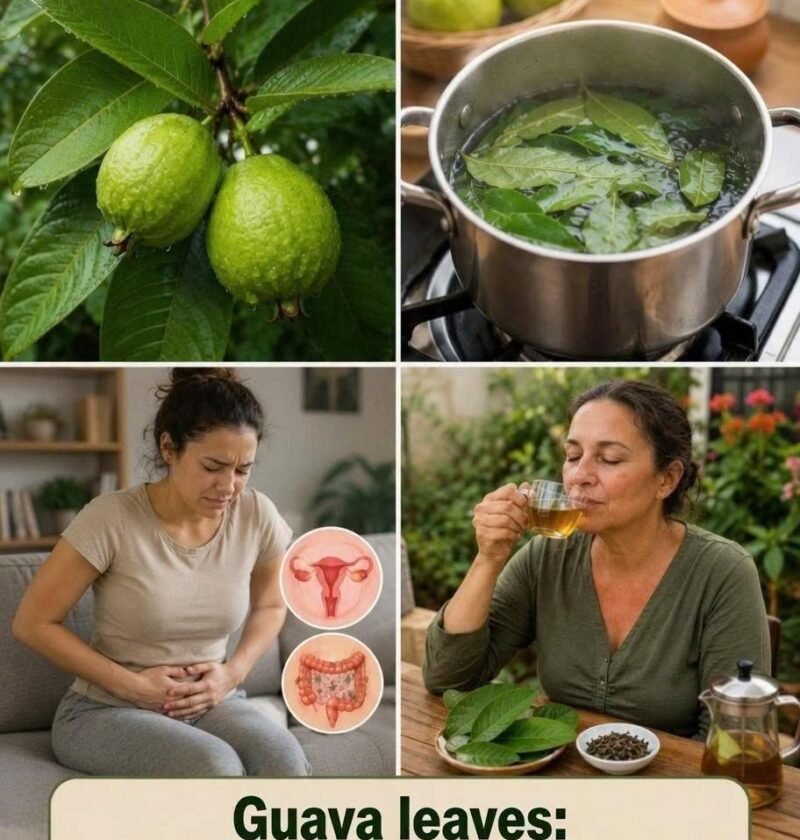
How to Make Guava Leaf Tea: Simply boil 5 to 7 tender, clean guava leaves in 1 or 2 cups of water for about 10 minutes until the water turns a warm, amber color. Strain the liquid and sip it warm.
Note: While generally safe, if you are pregnant, nursing, or taking prescription medications for diabetes or blood pressure, consult your doctor before adding herbal teas to your daily regimen.
Have you ever used herbal remedies or leaf teas like green tea or ginger tea for your daily