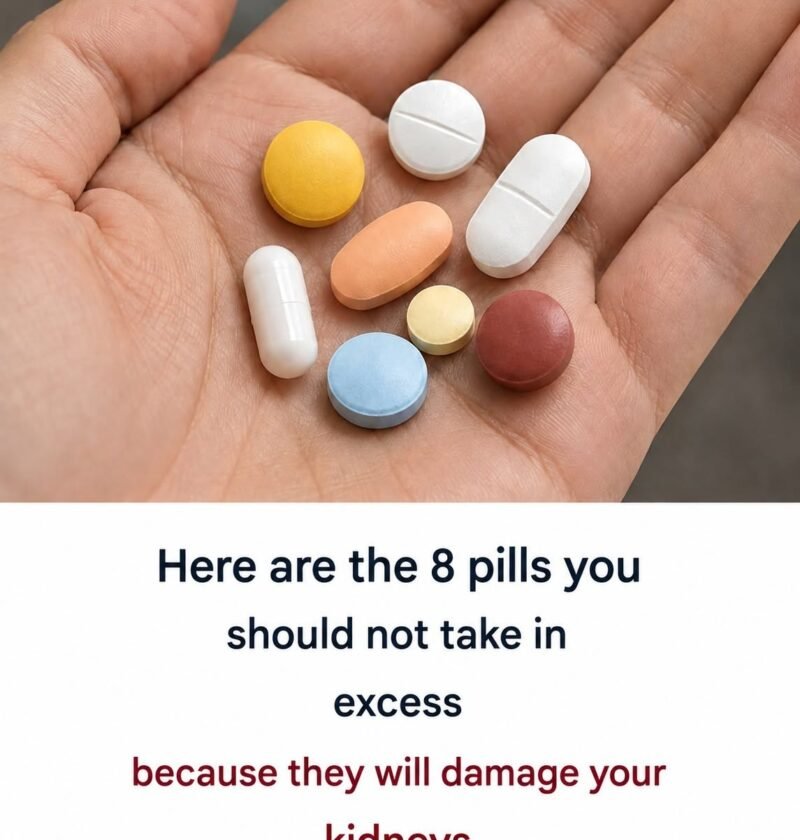
“Eight pills you shouldn’t take because they damage your kidneys” — fact or scare story?
This headline is misleading. There isn’t a universal list of eight pills that everyone should avoid. Several medicines can affect kidney function, but many are safe and useful when prescribed at the correct dose and monitored appropriately.
Medicines that deserve particular caution
- Ibuprofen — an NSAID that can reduce blood flow to the kidneys, especially with high doses, prolonged use, dehydration, or existing kidney disease.
- Naproxen — another NSAID with similar kidney risks.
- Diclofenac tablets/capsules — also an NSAID; risk is greater with long-term or high-dose use.
- High-dose aspirin — doses above about 325 mg/day can have NSAID-like effects on the kidneys. Low-dose aspirin prescribed for cardiovascular protection is different and should not be stopped without medical advice.
- Some antibiotics — certain antibiotics can directly injure the kidneys, while many others simply require dose adjustment when kidney function is reduced.
- Lithium — long-term use can affect kidney function and requires monitoring.
- Some proton-pump inhibitors (PPIs) — drugs such as omeprazole have been associated with certain kidney problems, although they can still be appropriate when medically indicated.
- Certain bowel-preparation medicines containing oral sodium phosphate — these can cause serious kidney injury in susceptible people and require particular caution in older adults and people with kidney disease.
⚠️ The biggest mistake: stopping medication yourself
Even medicines that can affect the kidneys may be the right treatment for you. For example, ACE inhibitors and ARBs can actually protect kidney function in many people, despite requiring monitoring in certain circumstances.
If you have kidney disease, diabetes, high blood pressure, heart failure, or take several medicines, ask your doctor or pharmacist to review your complete medication list.