…another classic morning-alarm headline trying to turn a completely common, everyday annoyance into an ominous medical mystery!
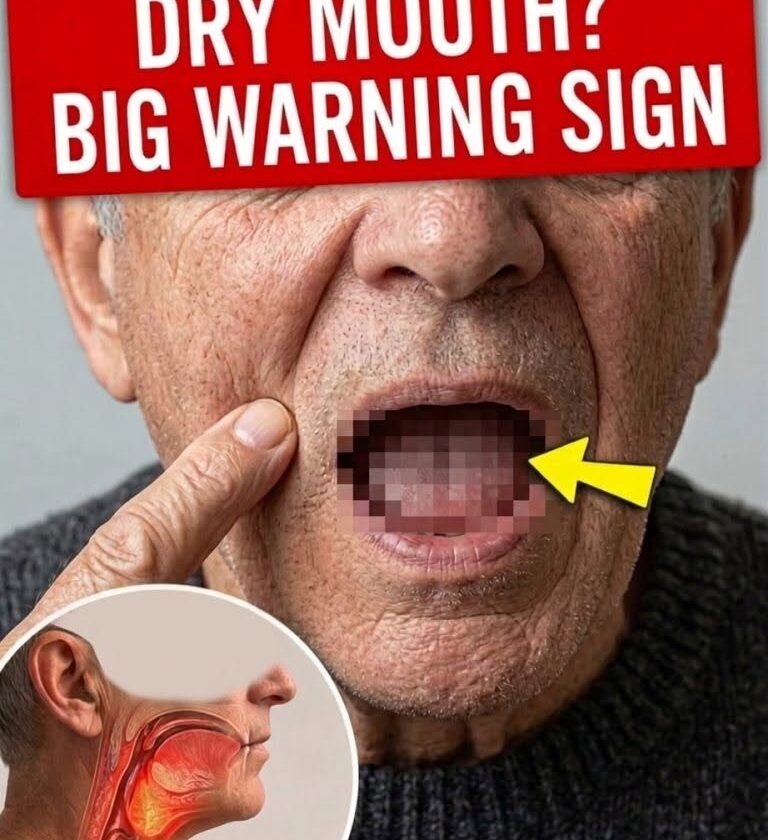
Phrases like “Don’t IGNORE What Your Body Could Be Signaling” are designed to make you panic before you’ve even had your first sip of coffee. While waking up with a dry mouth is a sign that your saliva production slowed down overnight, it doesn’t automatically mean you’re facing a dire health crisis.
Stripping away the dramatic clickbait panic, let’s look at why your mouth feels like the Sahara at 7:00 AM, when it’s totally normal, and when it’s actually worth mentioning to a doctor:
🟢 The Harmless, Everyday Culprits (Why It Usually Happens)
Most morning dry mouth comes down to simple nighttime habits and environmental factors:
-
Mouth Breathing: This is the #1 culprit. If you have a stuffy nose, allergies, a deviated septum, or sleep on your back in a way that causes your mouth to fall open, air flows constantly across your tongue and gums all night, evaporating your saliva.
-
Low Bedroom Humidity: If your heater or AC is running and drying out the air in your bedroom, it will pull moisture right out of your mouth while you sleep.
-
Not Enough Hydration Yesterday: If you were running low on fluids the day before, your body conserves water overnight, dialing back saliva production.
-
Evening Habits: Having a late-night glass of wine, a salty snack, or consuming caffeine close to bedtime can dehydrate you and dry out your mouth by morning.
🟡 When Is It Worth Paying Attention To?
If you wake up with a dry mouth every single day no matter how much water you drink or how you sleep, it can occasionally point to factors worth addressing:
-
Medication Side Effects: Hundreds of common prescription and over-the-counter drugs—especially antihistamines, blood pressure medications, decongestants, and antidepressants—list dry mouth as a primary side effect.
-
Chronic Nasal Obstruction: If allergies or chronic sinus issues force you to breathe through your mouth every single night, it can eventually lead to cracked lips, a sore throat, or even an increased risk of cavities (since saliva protects your teeth from bacteria).
-
Sleep Apnea: Severe dry mouth combined with loud snoring, gasping waking up, or chronic morning fatigue can sometimes be linked to obstructive sleep apnea, where breathing pauses disrupt your sleep.
The Bottom Line: If your mouth is dry because you slept with your window open or your nose was stuffed up from a mild allergy, a glass of water fixes it instantly and you can move on with your day. But if it’s chronic and stubborn, checking your medication list or mentioning it to your dentist or doctor is a smart, low-stress move.
Did a dramatic article try to convince you that your morning cottonmouth is a secret warning sign?