🥩 “Don’t Get Fooled by Supermarkets: They’re Selling You Meat From…” — What’s the Truth?
This viral headline is designed to create suspicion, but the country where meat originated isn’t something supermarkets can simply hide on a legitimate label. The exact rules depend on the country you’re shopping in.
In the United States, USDA rules require certain retailers to provide country-of-origin information for covered products. For example, covered imported muscle cuts can be labeled with their country of origin, while specific labeling rules apply to different types of meat. (AMS)
🔎 What to look for on the package
Don’t rely only on phrases such as:
- “Packed in USA”
- “Processed in USA”
- A U.S. company or supermarket name
- A U.S. flag on the packaging
Those statements don’t necessarily mean the animal was born and raised in the United States. For products carrying the voluntary “Product of USA” claim under current USDA rules, the meat must come from animals born, raised, slaughtered, and processed in the U.S. (Food Safety and Inspection Service)
🛒 What about ground meat?
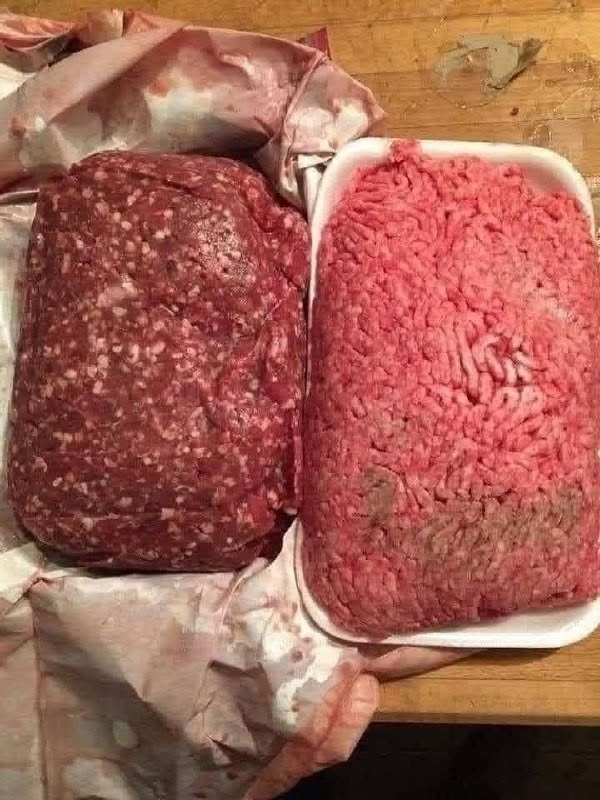
Ground meat can be more complicated because meat from different countries can be combined. USDA guidance requires applicable countries of origin to be identified for covered ground meats. (AMS)
Bottom line: The claim that supermarkets are secretly selling consumers mystery or foreign meat is too simplistic. Read the actual country-of-origin and product claims rather than judging by packaging, flags, or where the meat was packaged.
If you tell me which country you live in, I can explain exactly what the meat labels in your supermarkets mean and how to spot misleading ones.