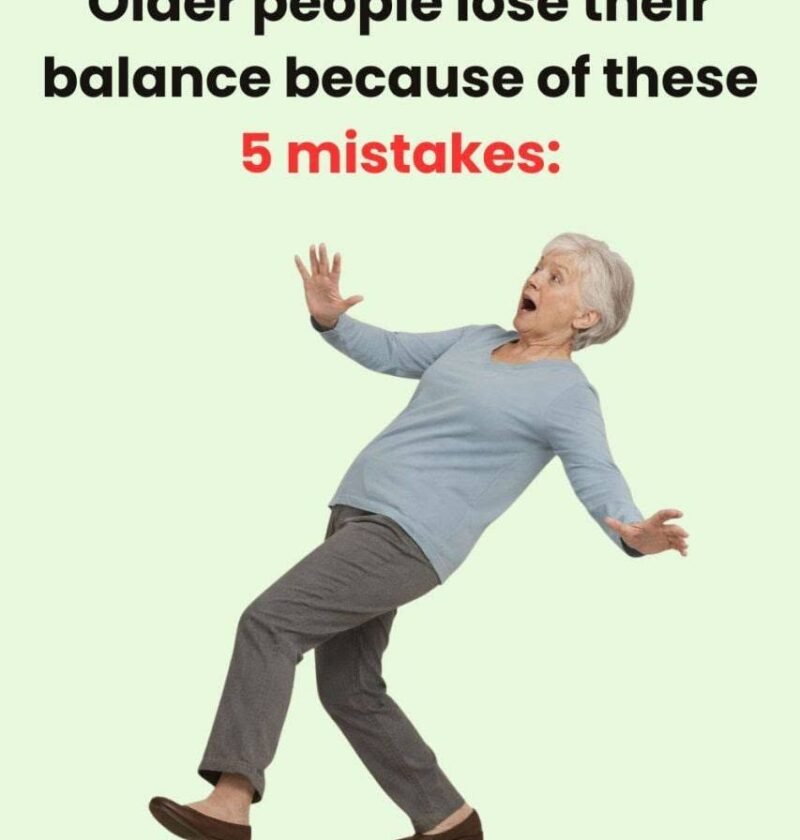
Balance problems in older adults are not an inevitable part of aging. Several common, modifiable factors can increase the risk of losing balance or falling. The CDC recommends addressing exercise, medications, vision, and home safety as key parts of fall prevention.
C
CDC Stacks
+1
Common mistakes that can affect balance
Not doing strength and balance exercises — inactivity can contribute to reduced strength, mobility, and balance. Balance-focused exercise, strength training, and programs such as tai chi can help.
C
CDC
Ignoring medication side effects — some medicines can cause dizziness, sleepiness, blurred vision, or blood-pressure drops. Older adults taking multiple medications should have them reviewed periodically with a healthcare professional.
C
CDC Stacks
+1
Wearing unstable footwear — poorly fitting shoes, loose slippers, and footwear with inadequate traction can increase fall risk.
C
CDC Stacks
Overlooking vision problems — untreated vision impairment can make obstacles and changes in the floor harder to detect. Regular eye checks are an important part of fall prevention.
C
CDC Stacks
Leaving hazards around the home — loose rugs, clutter, cords, slippery surfaces, and inadequate lighting can all contribute to falls.
C
CDC Stacks
Standing up too quickly — some people experience a drop in blood pressure when moving from sitting or lying to standing, causing dizziness or unsteadiness. This deserves medical evaluation if it happens repeatedly.
C
CDC
Ignoring a previous fall — a fall can be a warning sign of an underlying balance, medication, vision, or mobility problem. A fall-risk assessment can help identify what needs attention.
Bottom line: Don’t assume worsening balance is simply “because you’re getting older.” If balance has recently deteriorated, you’ve started stumbling, or you’ve had a fall, it’s worth discussing it with a healthcare professional.
C
C
Sources