Common Mistakes That Affect Balance in Older Adults
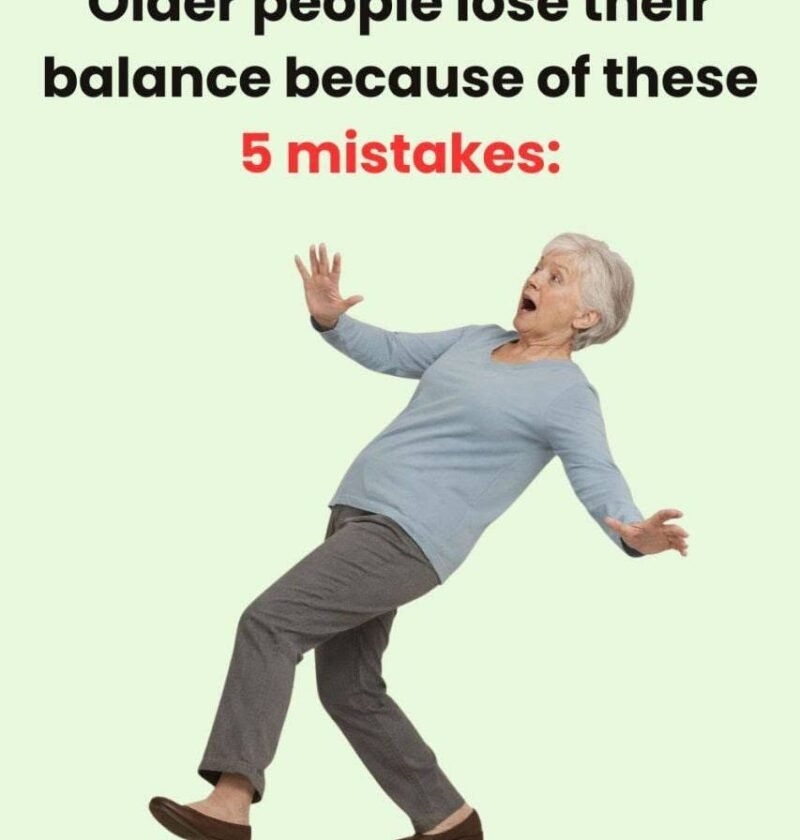
Maintaining good balance is essential for independence, mobility, and preventing dangerous falls as we age. However, subtle habits, physical oversights, and everyday choices can quietly degrade balance and stability over time.
Recognizing these common missteps allows older adults and their caregivers to make simple adjustments that protect mobility.
1. Stopping Physical Activity Out of Fear of Falling
-
The Mistake: Many older adults believe that slowing down and resting completely will keep them safe from falls. In reality, inactivity causes muscles to atrophy, joints to stiffen, and the vestibular and nervous systems to lose their sharp coordination.
-
The Fix: Incorporate low-impact, balance-focused movements into daily life—such as chair yoga, tai chi, or simple heel-to-toe walking. Keeping muscles strong is the best defense against a fall.
2. Wearing Unsupportive or Improper Footwear
-
The Mistake: Walking around the house in slippery socks, old worn-out slippers with no traction, or wearing shoes with high heels, thick platform soles, or loose straps drastically reduces foot-to-ground feedback.
-
The Fix: Choose supportive shoes with non-slip, low-profile rubber soles even indoors. Look for footwear with a snug heel cup and a wide toe box.
3. Ignoring Vision and Hearing Changes
-
The Mistake: Treating failing eyesight or hearing loss as an inevitable part of aging without correction. Your eyes help your brain map where your body is in space, and your inner ear (which handles hearing) is also the body’s primary center for balance.
-
The Fix: Get annual eye exams and keep eyedescriptions up to date. If you wear multi-focals (like progressive lenses), be especially mindful when walking on stairs, as they can distort depth perception. Additionally, treat hearing issues promptly to support inner-ear balance.
4. Overlooking Dehydration and Poor Nutrition
-
The Mistake: Not drinking enough fluids or skipping nutrient-dense meals can lead to sudden blood pressure drops, dizziness, lightheadedness, and muscle weakness.
-
The Fix: Sip water consistently throughout the day, even if you don’t feel intensely thirsty. Ensure meals include adequate protein to maintain muscle mass and bone-supporting nutrients like Vitamin D and calcium.
5. Cluttered Walking Paths and Poor Home Lighting
-
The Mistake: Relying on muscle memory to navigate a home filled with loose throw rugs, electrical cords across hallways, dim lighting in stairwells, or clutter on the floor.
-
The Fix: Secure or remove all loose rugs, clear walkways, install nightlights in hallways and bathrooms, and add sturdy grab bars near the shower and toilet.
6. Neglecting Foot Health and Ankle Mobility
-
The Mistake: Ignoring stiff ankles or foot pain (like bunions, neuropathy, or numbness). If your ankles cannot flex properly, you cannot make the micro-adjustments needed to catch yourself if you start to trip.
-
The Fix: Practice simple ankle rolls and foot flexes daily. Have foot pain or numbness evaluated by a doctor or podiatrist to ensure proper nerve function and comfort.
Pro Tip: Balance is a skill, not just a fixed trait—it can be improved at any age through consistent, mindful practice. Simple exercises like standing on one foot while holding onto a kitchen counter for 10 seconds can help retrain the brain and body connection.
Have you or a loved one noticed any recent changes in steadiness, or are you looking to proactively set up a fall-prevention routine?