Cholesterol: 5 “symptoms” that can be misleading
The important fact is that high cholesterol usually causes no symptoms at all. Most people cannot tell from how they feel that their cholesterol is elevated; a blood test (lipid panel) is the usual way to detect it.
Some physical findings can occur with very high or inherited cholesterol, but they are not reliable signs for most people:
-
Yellowish deposits around the eyelids (xanthelasma) — can be associated with abnormal cholesterol, although they can also occur in people with normal cholesterol.
-
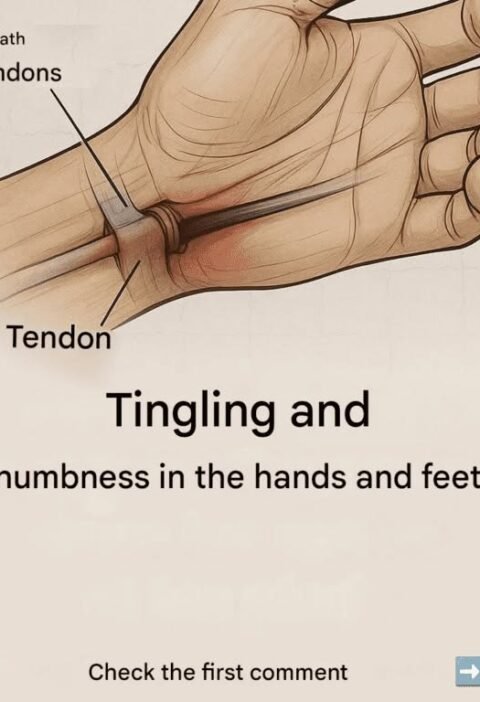
Firm cholesterol deposits in tendons (tendon xanthomas) — particularly around the Achilles tendon or hands; these can be a clue to familial hypercholesterolemia.
-
A gray-white ring around the cornea (corneal arcus) — more concerning for an underlying lipid disorder when it appears unusually early in life.
-
Chest pain or pressure — this isn’t a symptom of high cholesterol itself. It can occur when cholesterol contributes to plaque buildup and coronary artery disease.
-
Leg pain when walking — similarly, this can result from peripheral artery disease caused by atherosclerosis, rather than from cholesterol itself.
What actually matters
High LDL cholesterol can contribute to plaque buildup in arteries, increasing the risk of heart attack and stroke over time. Because it is usually silent, don’t wait for symptoms before getting checked.
A lipid panel can measure LDL (“bad”) cholesterol, HDL (“good”) cholesterol, and triglycerides, among other measurements.
If you have new chest pressure, severe shortness of breath, sudden weakness/numbness, facial drooping, or difficulty speaking, seek emergency medical care rather than assuming it’s “just cholesterol.”