Be Your Own Dental Care Expert: What You Can—and Can’t—Do About Tartar at Home
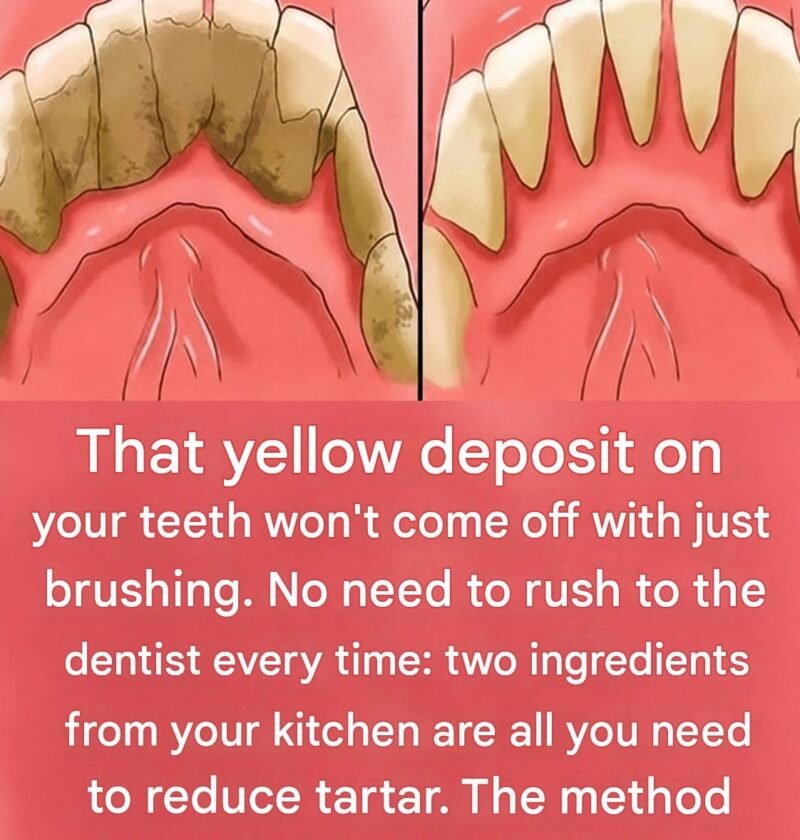
That hard, yellowish or brown buildup around your teeth is often called tartar or dental calculus. It begins as plaque, a sticky film of bacteria that forms on teeth.
The important distinction is this:
Plaque can be removed at home. Hardened tartar generally cannot.
1. Brush twice a day
Use a soft-bristled toothbrush and fluoride toothpaste for about two minutes each time. Pay particular attention to the gumline, where plaque commonly accumulates.
2. Clean between your teeth
Floss or use an appropriate interdental cleaner once a day. A toothbrush can’t effectively clean many of the spaces between teeth, allowing plaque to remain there and eventually harden.
3. Consider an electric toothbrush
An electric toothbrush can make thorough brushing easier for some people, particularly if reaching all tooth surfaces is difficult.
4. Don’t scrape tartar with sharp objects
Using pins, metal tools, fingernail tools, or homemade dental scrapers can injure your gums and potentially damage the tooth surface.
Likewise, harsh DIY mixtures containing strong acids or abrasives aren’t a safe substitute for professional cleaning.
5. Use mouthwash as an addition—not a replacement
A suitable therapeutic mouthwash may help with plaque or gingivitis, depending on its ingredients, but it doesn’t replace brushing and interdental cleaning.
6. Get professional cleaning when tartar has formed
If you can see or feel a hard deposit that doesn’t come away with normal brushing, arrange a dental examination. A dentist or hygienist can determine whether it is calculus and remove it using appropriate instruments.
Watch for gum-disease symptoms
Bleeding gums, persistent bad breath, swollen or tender gums, gum recession, loose teeth, or persistent sensitivity can be signs that you need a dental evaluation.
The safest “home tartar removal” strategy is actually prevention: remove plaque consistently so it doesn’t have the opportunity to harden into calculus.