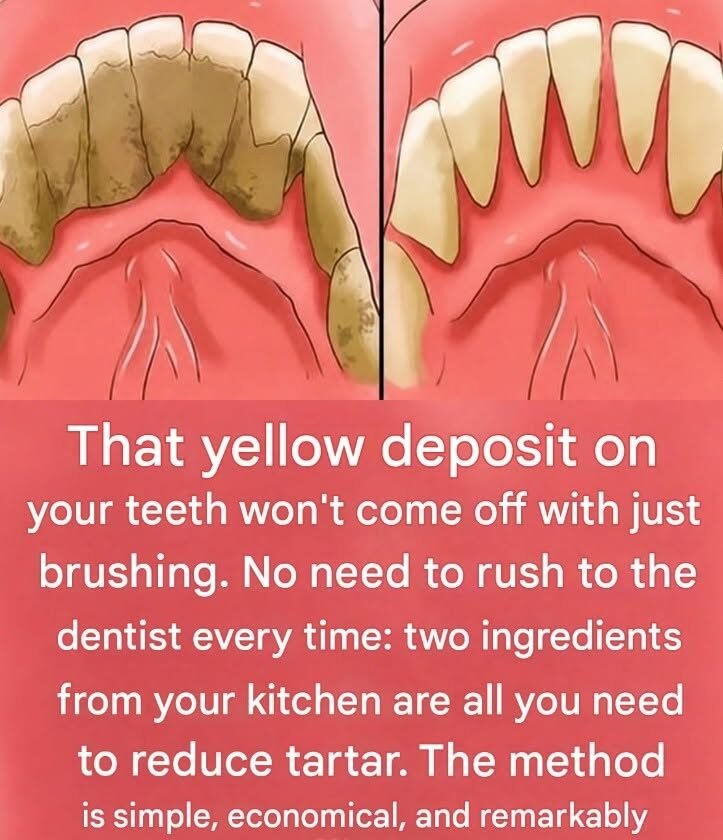
The idea of skipping the dental hygienist and scraping away tartar yourself at home sounds like a tempting way to save time and money. However, dental professionals strongly advise against attempting to remove tartar at home.
While you can effectively remove plaque (the sticky, soft film of bacteria that forms daily) with regular brushing and flossing, once plaque hardens into tartar (calculus), it bonds tightly to the enamel and can only be safely removed with professional dental instruments and specialized training.
Here is why DIY tartar removal is dangerous, along with safe ways you can manage your dental health at home:
Why DIY Tartar Removal Can Harm Your Teeth
-
Risk of Gum Injury: Dental scraping tools are extremely sharp. A slip of the hand—especially looking in a mirror or working at awkward angles—can easily slice open your delicate gum tissue, leading to painful infections, bleeding, and receding gums.
-
Damaging Enamel: Aggressive scraping or using metal tools, pins, or improvised gadgets can gouge and scratch your tooth enamel. Once enamel is scratched or worn away, it never grows back, making your teeth more vulnerable to cavities and severe sensitivity.
-
Pushing Bacteria Deeper: If you attempt to scrape tartar near the gumline without proper technique, you risk pushing bacteria and plaque deeper under the gums, which can trigger painful periodontal abscesses or worsen gum disease.
-
Abrasive “Remedies” Backfire: Internet recipes involving harsh scrubs—like baking soda mixed with lemon juice, hydrogen peroxide, or activated charcoal used aggressively—are extremely abrasive and acidic. While they might temporarily strip away surface stains, they erode tooth enamel over time.
What You CAN Do at Home (Prevention is Key)
While you can’t strip off existing tartar yourself, you can stop new tartar from forming and keep your teeth and gums healthy between dental visits:
-
Master Your Brushing Technique: Brush twice a day for a full two minutes. Use a soft-bristled electric toothbrush if possible, holding it at a 45-degree angle toward the gumline to sweep away soft plaque before it has a chance to mineralize into tartar.
-
Never Skip Flossing: Tartar loves to form in the tight spaces between teeth where your toothbrush bristles can’t reach. Flossing daily disrupts bacteria colonies before they harden.
-
Use Tartar-Control Toothpaste: Look for toothpastes containing pyrophosphates or zinc citrate. While they won’t dissolve existing tartar, they help inhibit the chemical process that turns soft plaque into hard tartar.
-
Rinse with an Antiseptic Mouthwash: A good antimicrobial mouthwash helps reduce the overall bacterial load in your mouth, slowing down plaque accumulation.
-
Stay Hydrated: Saliva is your mouth’s natural defense system—it washes away food particles and neutralizes acids. Drinking plenty of water throughout the day keeps saliva flowing freely.
If you have stubborn buildup or haven’t had a professional cleaning in a while, the safest and most effective “hack” is letting a dental hygienist use an ultrasonic scaler to gently and safely reset your smile.
How long has it been since your last professional dental checkup and cleaning?