Showing 4,852 Result(s)
Blog

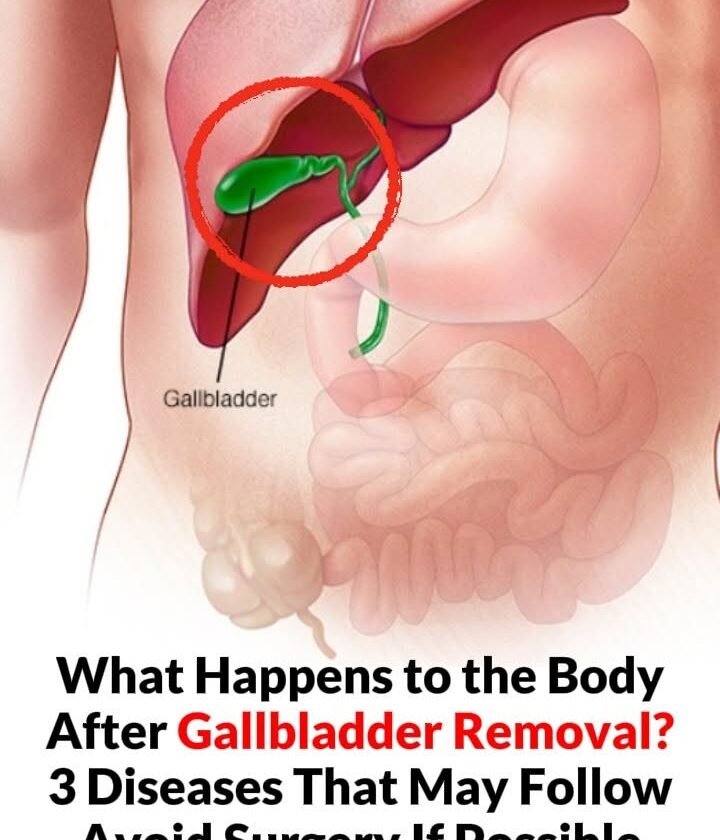
What Happens to the Body After Gallbladder Removal? 3 Diseases That May Follow – Avoid Surgery If Possible

What Happens to the Body After Gallbladder Removal? 3 Possible Problems to Know About Gallbladder removal, medically called a cholecystectomy, is a common operation. The gallbladder stores bile produced by the liver, but it isn’t an essential organ. After removal, bile flows directly from the liver into the small intestine, and most people can return …
Blog

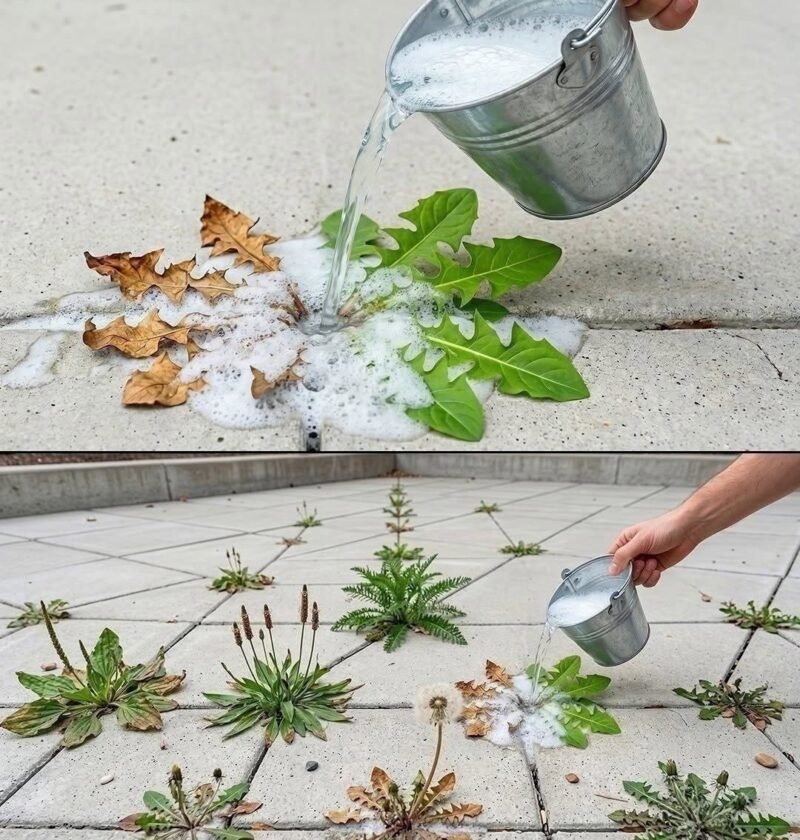
Natural and Powerful Homemade Weed Control

If you want a detailed educational post, here’s a practical version that focuses on safer homemade weed-control methods: 🌿 Natural and Powerful Homemade Weed Control Tired of weeds taking over your garden, driveway, or paths? You don’t always need a strong commercial herbicide. Several simple, low-cost methods can help control unwanted weeds. 1. Boiling Water …

Blog

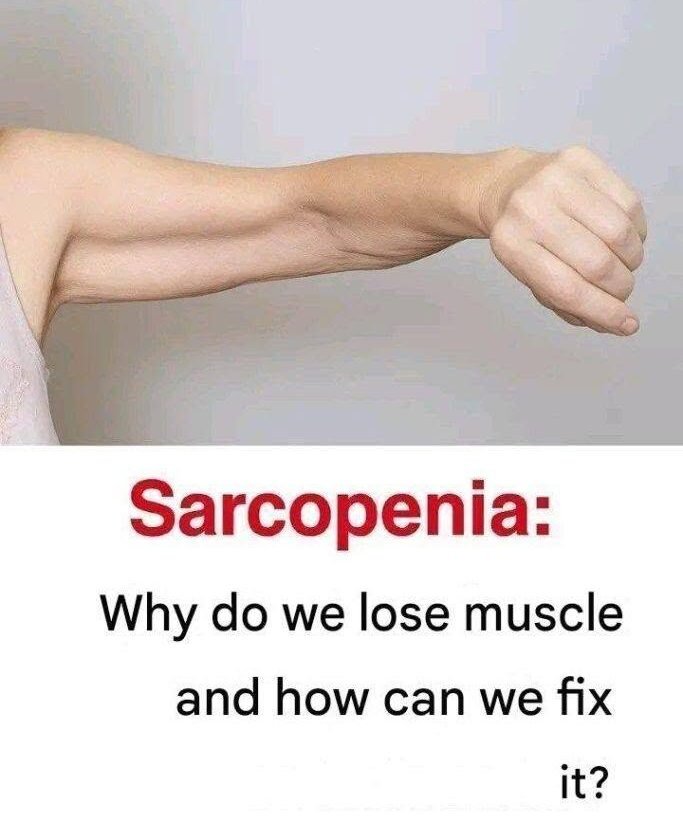
Sarcopenia: Causes of muscle loss and solutions

Sarcopenia: Causes of Muscle Loss and Solutions Sarcopenia is the gradual loss of muscle mass, strength, and physical performance that commonly occurs with aging. It can make everyday activities—such as climbing stairs, getting out of a chair, carrying groceries, or maintaining balance—more difficult. The good news is that muscle loss is not an unavoidable part …

Blog

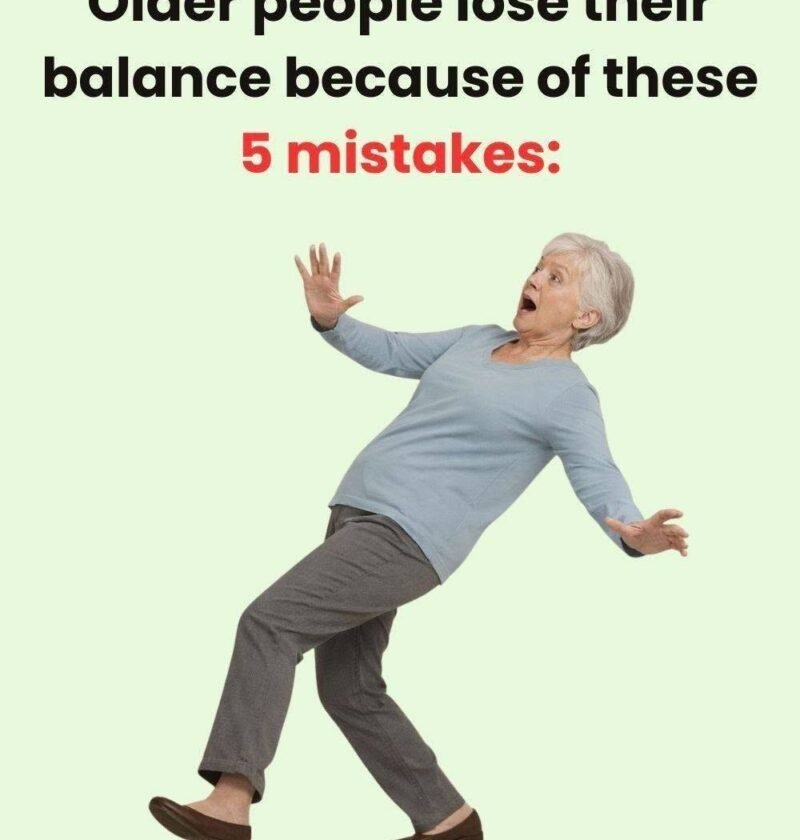
Common Mistakes That Affect Balance in Older Adults!!

Here’s a detailed, easy-to-understand version suitable for an educational post, presentation, or handout: Common Mistakes That Affect Balance in Older Adults Good balance is essential for staying independent and preventing falls. As we age, changes in muscle strength, vision, reaction time, and coordination can naturally affect balance. However, certain everyday habits can make balance problems …

Blog

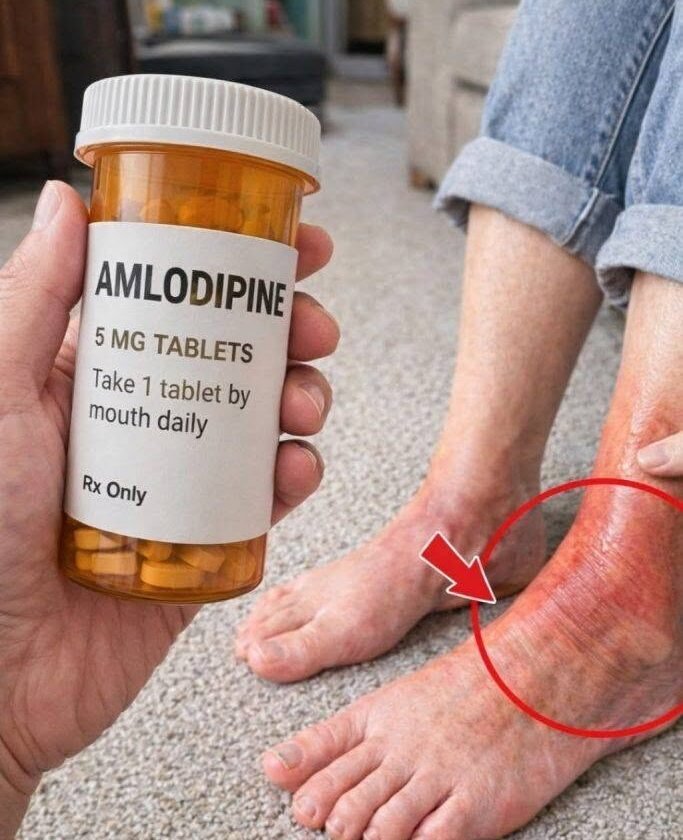
Discovering the 10 Most Common Side Effects of Metoprolol: A Helpful Guide for Anyone Taking This Medication

Metoprolol is a beta-blocker commonly prescribed for high blood pressure, angina (chest pain), certain abnormal heart rhythms, heart failure, and to improve survival after a heart attack. It works mainly by slowing the heart rate and reducing the workload on the heart. One important point: there isn’t a scientifically fixed list of exactly “the 10 …