Showing 7,406 Result(s)
Blog

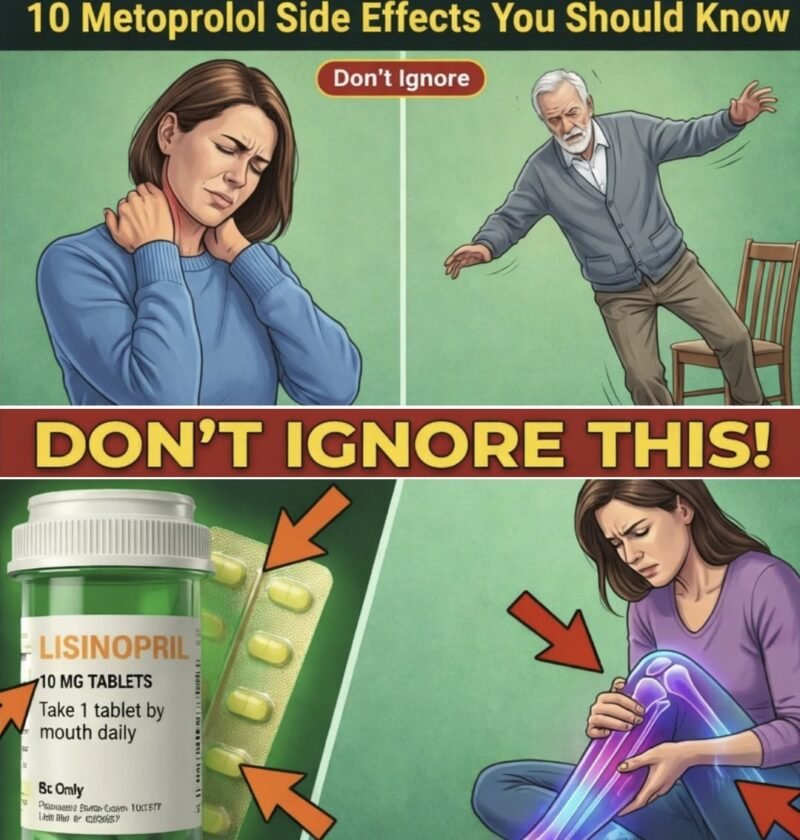
Metoprolol is a widely prescribed beta-blocker used to manage high blood pressure, chest pain (angina), and heart failure, or to protect the heart after a myocardial infarction. By blocking the effects of adrenaline on the heart and blood vessels, it successfully lowers heart rate and blood pressure. However, because beta-receptors are found throughout the body—not just in the heart—metoprolol can cause systemic effects that patients are rarely warned about during a standard pharmacy visit. Here are **10 side effects of metoprolol that are often overlooked** in everyday clinical conversations: — ### 1. Persistent Fatigue and Lack of “Gas in the Tank” * **What happens:** Because metoprolol intentionally slows your heart rate and reduces the force of heart contractions, your body pumps slightly less oxygenated blood to your tissues during exertion. This often translates to a heavy, persistent physical exhaustion or a feeling of low stamina, especially during the first few weeks. ### 2. Cold Hands and Feet (Peripheral Vasoconstriction) * **What happens:** Beta-blockers can narrow blood vessels in the extremities as the body redirects blood flow toward core organs. Many patients notice their fingers and toes feeling perpetually ice-cold, or even turning pale in cooler temperatures. ### 3. Vivid Dreams or Sleep Disturbances * **What happens:** Metoprolol is lipophilic (fat-soluble to varying degrees, particularly metoprolol tartrate), meaning it can cross the blood-brain barrier. This interaction within the central nervous system frequently alters sleep architecture, leading to unusually vivid dreams, nightmares, or disrupted REM sleep. ### 4. Masking Symptoms of Low Blood Sugar (Hypoglycemia) * **What happens:** For individuals managing diabetes, this is a critical overlooked risk. Adrenaline is what triggers the classic warning signs of a crashing blood sugar level—such as a racing heart, tremors, and severe jitters. Because metoprolol blunts adrenaline, it can completely “mask” these warning signs, allowing hypoglycemia to sneak up unnoticed. ### 5. Subtle Depressive Mood Shifts or Brain Fog * **What happens:** Some patients report feeling emotionally flat, unmotivated, or experiencing mild cognitive dulling (brain fog). Because beta-blockers affect central nervous system signaling, they can occasionally contribute to depressive symptoms or low mood over long-term use. ### 6. Sexual Dysfunction or Decreased Libido * **What happens:** By lowering blood pressure and altering autonomic nervous system tone, metoprolol can interfere with erectile function in men or reduce sexual responsiveness and desire in both men and women—a side effect patients are often too hesitant to bring up with their doctor. ### 7. Mild Weight Gain or Slowed Metabolism * **What happens:** Because the drug reduces your resting heart rate and overall energy expenditure, it can subtly shift your metabolic rate downward. Combined with fatigue that lowers exercise motivation, many patients experience gradual, unexplained weight creep. ### 8. Exacerbation of Asthma or Shortness of Breath * **What happens:** While metoprolol is relatively “cardioselective” (meaning it targets heart receptors more than lung receptors), at higher doses it can still spill over and cause constriction of the airways. For anyone with underlying asthma or chronic bronchitis, it can trigger wheezing or shortness of breath. ### 9. Hair Thinning or Alopecia * **What happens:** Though relatively rare, beta-blockers can occasionally disrupt the normal hair growth cycle, pushing hair follicles prematurely into the resting (telogen) phase and causing noticeable thinning several months after starting the medication. ### 10. Rebound Hypertensive Crisis If Stopped Abruptly * **What happens:** This is the most dangerous overlooked aspect of beta-blockers. If you stop taking metoprolol suddenly, your body—which has adapted by multiplying its beta-receptors—is suddenly flooded with unblocked adrenaline. This can trigger a dangerous spike in blood pressure, a racing heart, or even a heart attack. **Metoprolol must always be tapered slowly under medical supervision.** — Are you or a loved one currently taking metoprolol and noticing any of these subtle shifts, or are you exploring how beta-blockers compare to other cardiovascular medications?

Metoprolol is a widely prescribed beta-blocker used to manage high blood pressure, chest pain (angina), and heart failure, or to protect the heart after a myocardial infarction. By blocking the effects of adrenaline on the heart and blood vessels, it successfully lowers heart rate and blood pressure. However, because beta-receptors are found throughout the body—not …

Blog

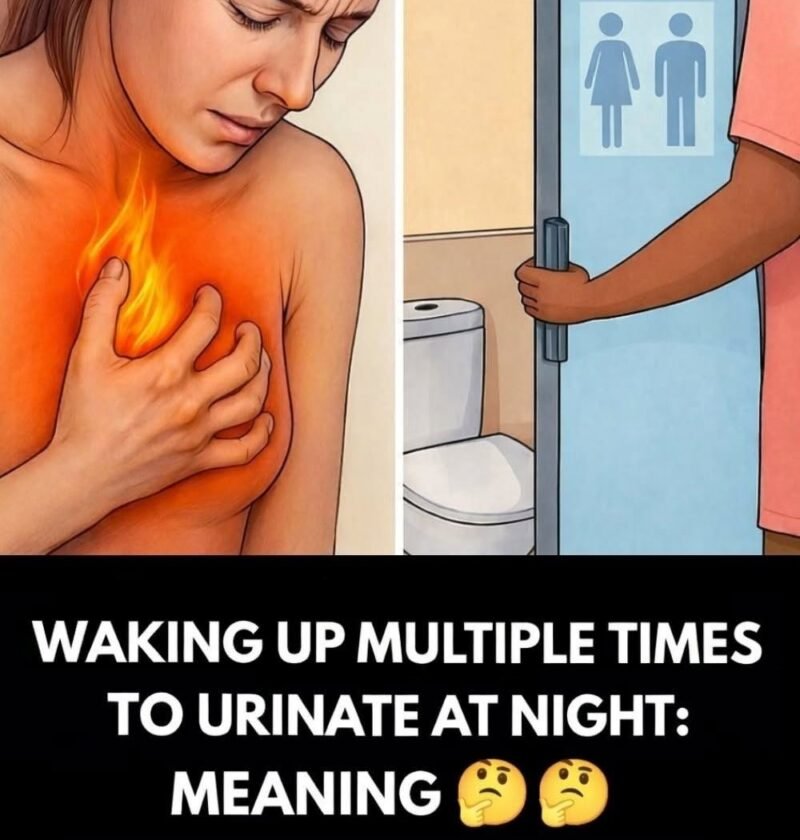
…your body is trying to signal that something is disrupting your normal fluid regulation, sleep architecture, or urinary tract function. Medically known as **nocturia**, waking up repeatedly during the night (two or more times) to urinate is not just an annoying sleep-disrupter—it is a clear indicator that an underlying physiological shift is happening. While many people brush it off as a normal part of aging, it can point to several distinct causes: ### 1. Benign Prostatic Hyperplasia (BPH) or Bladder Obstruction * **What it means:** In men, one of the most frequent culprits behind nighttime frequency is an enlarged prostate. As the prostate gland grows, it can partially block the urethra, preventing the bladder from emptying completely. This leaves less functional capacity, triggering frequent urgency. * **Other clues:** A weak urine stream, difficulty starting urination, or feeling like your bladder isn’t fully empty. ### 2. Overactive Bladder (OAB) or Pelvic Floor Weakness * **What it means:** The nerves and muscles controlling your bladder may be sending premature signals that your bladder is full, even when it isn’t. In women, pelvic floor changes due to childbirth, menopause, or pelvic organ prolapse can also reduce bladder support and storage efficiency. ### 3. Unmanaged Blood Sugar or Early Diabetes * **What it means:** When blood glucose levels are elevated, your kidneys work overtime to filter and remove the excess sugar. Glucose pulls water with it through an osmotic effect, leading to a high volume of urine production that persists right through the night. * **Other clues:** Unusual daytime thirst, constant fatigue, or unexplained weight shifts. ### 4. Nocturnal Polyuria (Kidney-Driven Fluid Shift) * **What it means:** Sometimes the issue isn’t your bladder at all, but your kidneys. Throughout the day, fluid can pool in your lower extremities (due to gravity, long periods of sitting, or mild circulatory issues). When you finally lie down flat to sleep, that fluid re-enters your bloodstream, filters through your kidneys, and creates a surge of urine production overnight. * **Other clues:** Mild swelling or puffiness in your ankles and lower legs by the end of the day. ### 5. Sleep Disruptors like Obstructive Sleep Apnea * **What it means:** People often overlook the strong connection between breathing and the bathroom. When sleep apnea causes repeated micro-awakenings or drops in oxygen, it triggers hormonal shifts that signal your kidneys to produce more urine. — ### Simple Steps to Help Cool the Cycle: * **The Evening Fluid Cutoff:** Try tapering off your water, tea, or any beverages 2 to 3 hours before you plan to head to bed. * **Caffeine and Alcohol Audit:** Both are potent diuretics and bladder irritants that can dramatically increase nighttime frequency even if consumed hours earlier. * **Elevate Your Legs:** If you notice swelling in your lower legs, resting with your legs elevated for an hour in the late afternoon can help your body reabsorb that fluid *before* you lie down for the night. *Note: If nighttime bathroom trips are consistently robbing you of restful sleep, or if they are accompanied by pain, burning, or any signs of blood, it is always wise to consult a physician to pinpoint the exact root cause.* Are these nighttime trips a recent change, or something you’ve been managing for a while?

…your body is trying to signal that something is disrupting your normal fluid regulation, sleep architecture, or urinary tract function. Medically known as nocturia, waking up repeatedly during the night (two or more times) to urinate is not just an annoying sleep-disrupter—it is a clear indicator that an underlying physiological shift is happening. While many …

Blog

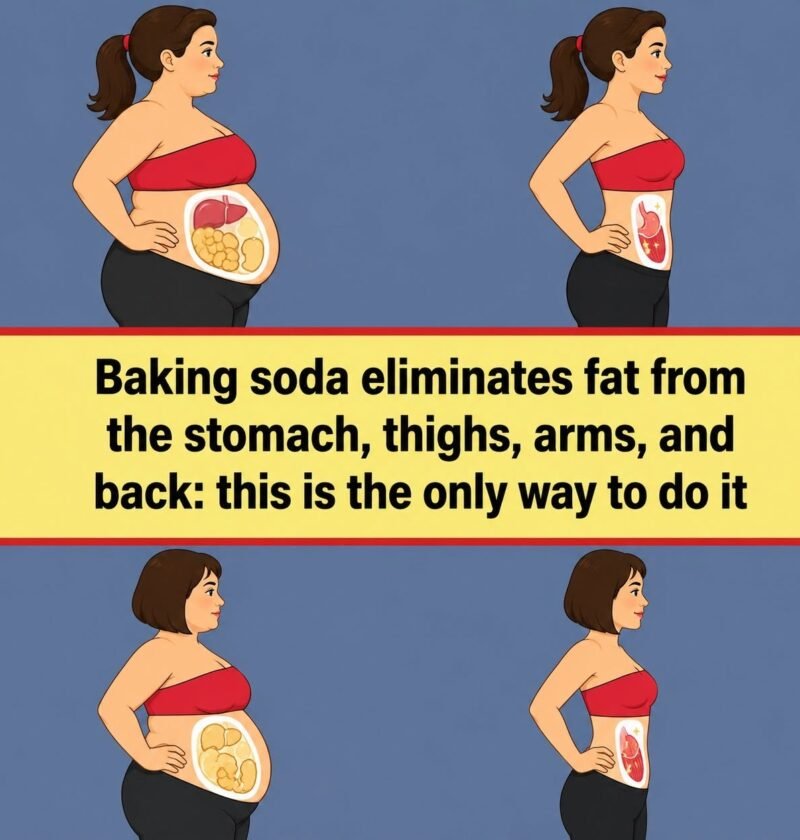
Baking soda removes grease from all these areas—the only way to do it is to prepare it this way!

Baking soda (sodium bicarbonate) is arguably one of the most versatile, cost-effective, and powerful natural degreasers you can use around the house. Because grease is naturally acidic and sticky, baking soda works through a combination of mild alkalinity (which breaks down greasy oils) and gentle micro-abrasion (which lifts grime without scratching surfaces). However, simply sprinkling …

Blog

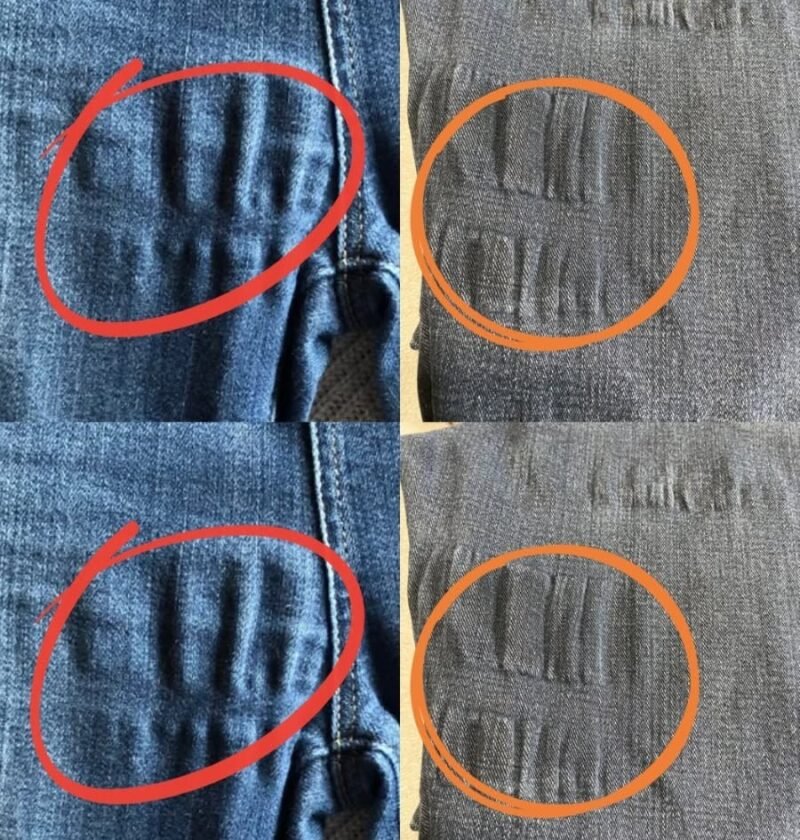
If you’ve ever seen these on your jeans, you’re not alone! Read the reasons in 1st comment

Ah, the classic “Read the reasons in 1st comment” clickbait hook! Social media feeds are flooded with this exact phrasing, usually pointing to quirky, hidden details on clothing—like the tiny fabric loops inside the waistband, the metal rivets on the pocket corners, or the mysterious extra buttons—while forcing you to hunt through the comments just …

Blog

Just 1 tablespoon in the morning loosens “stuck stool” and reduces belly bloat!

That classic clickbait hook—promising that “just 1 tablespoon in the morning loosens stuck stool and reduces belly bloat!”—is designed to prey on anyone who has ever felt sluggish, uncomfortable, or frustrated by digestive issues. Usually, these viral ads or articles lead to an expensive, proprietary “miracle cleanse,” a harsh herbal detox tea, or a mysterious …

Blog

A cardiologist warns: these 5 medications increase the risk of heart attack and stroke in older people

Sensationalized medical headlines warning that “a cardiologist warns these medications increase heart attack and stroke risk” are designed to cause panic. They often rely on broad generalizations, tearing medication warnings out of context to make everyday drugs sound like hidden time bombs. In clinical practice, cardiovascular risk doesn’t come from a standard prescription itself, but …