Showing 6,826 Result(s)
Blog

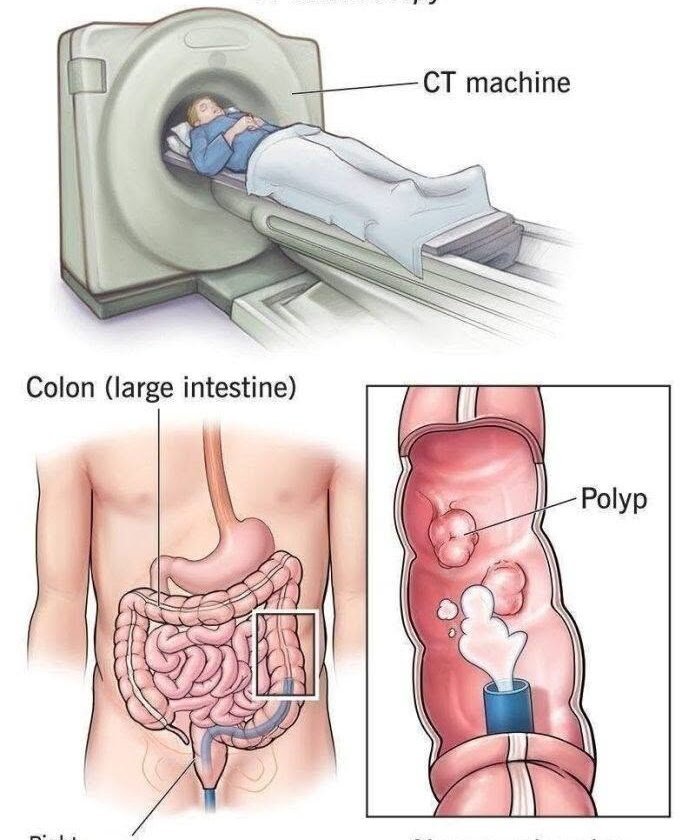
New method: colonoscopy will no longer be an invasive examination. (1/2)

Is a New Method Making Colonoscopy Non-Invasive? There are promising alternatives to traditional colonoscopy, but the claim that colonoscopy itself will “no longer be an invasive examination” is misleading. One of the most interesting developments is colon capsule endoscopy. Instead of inserting a conventional scope, the patient swallows a capsule containing a tiny camera. It …
Blog

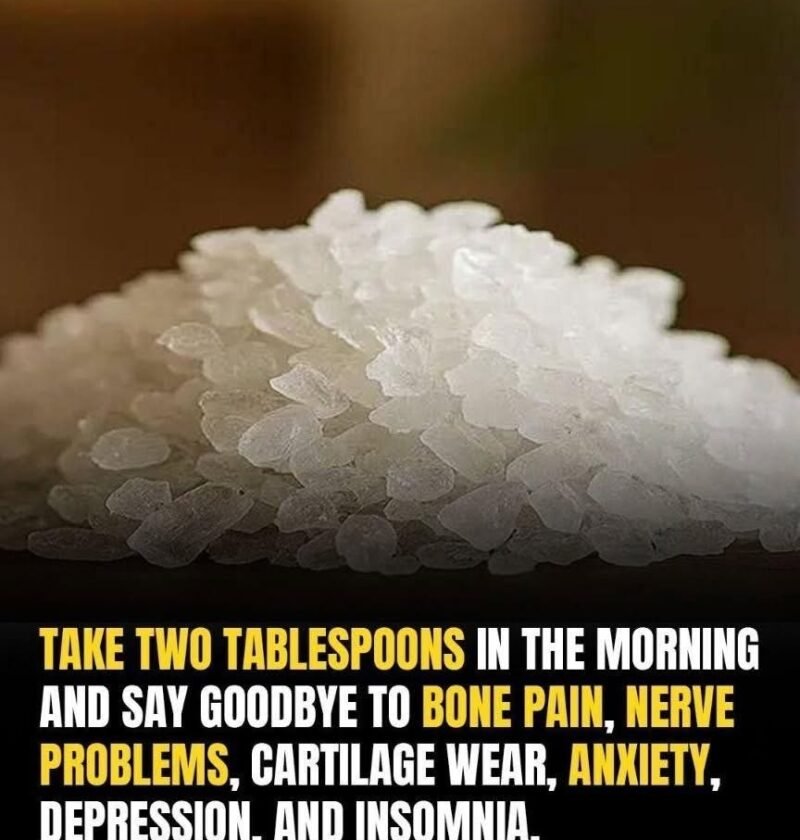
A single ingredient to combat bone pain, diabetes, anxiety, depression, and constipation!

There isn’t a single ingredient scientifically proven to treat bone pain, diabetes, anxiety, depression, and constipation all at once. A claim like this can be misleading, especially if it suggests that one food, herb, or supplement can replace appropriate treatment. Some nutrients can affect several of these areas, but in different ways: Magnesium supports normal …

Blog

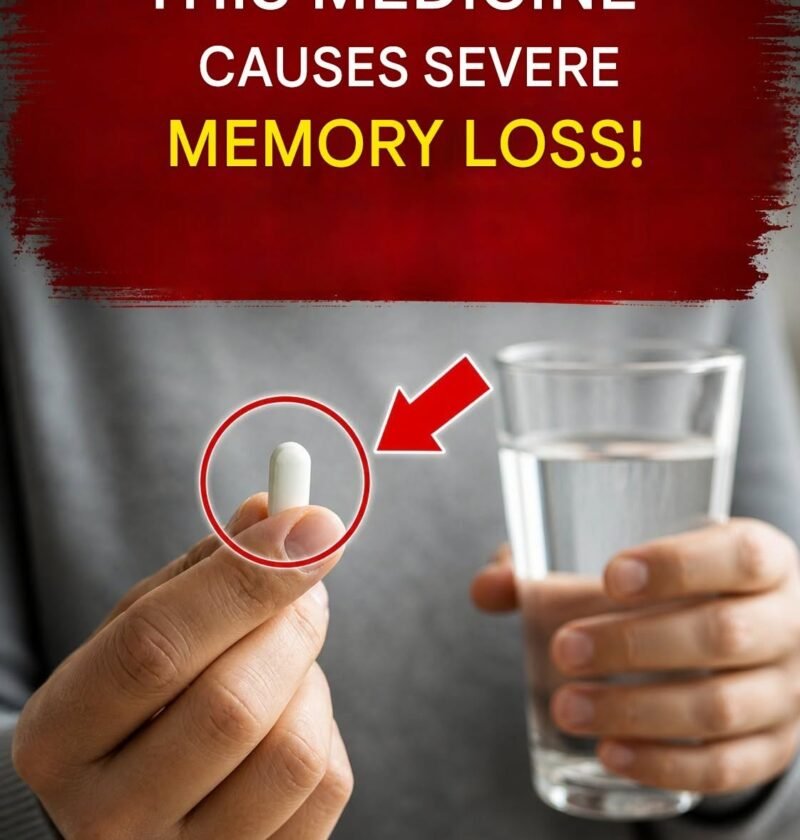
7 medications that cause severe dementia and profound brain damage v

7 Medications That Can Affect Memory and Cognition—What the Evidence Actually Shows The headline “7 medications that cause severe dementia and profound brain damage” is too strong. No group of seven commonly prescribed medicines has been established as causing “profound brain damage” in everyone who takes them. Some medications, however, can cause confusion, sedation, delirium, …

Blog

A cardiologist warns: these 5 medications increase the risk of heart attack and stroke in older people..

Medications That Can Increase Cardiovascular Risk in Older Adults Some medicines can increase the risk of heart attack, stroke, or other cardiovascular problems, particularly in people who already have cardiovascular risk factors. But it would be misleading to say that five specific medications are universally dangerous for everyone over a certain age. For example: Non-aspirin …

Blog

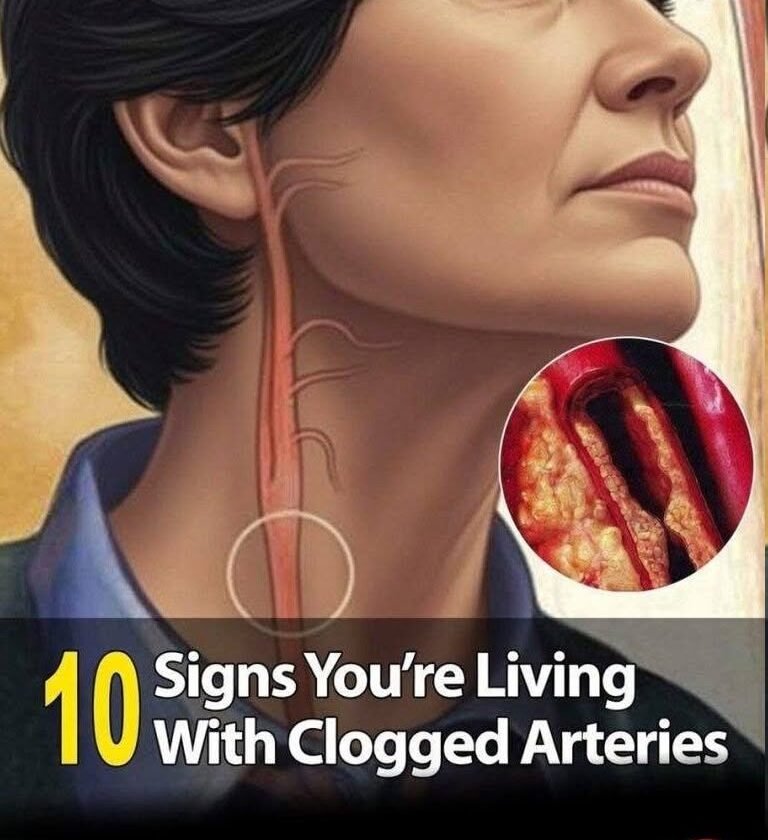
10 Indicators of Blocked Arteries You Shouldn’t Ignore

10 Possible Warning Signs of Blocked Arteries You Shouldn’t Ignore “Blocked arteries” usually refers to atherosclerosis, in which plaque builds up inside arteries. Importantly, atherosclerosis can develop for years without obvious symptoms, and symptoms depend on which arteries are affected. Here are 10 signs that can sometimes indicate reduced blood flow: Chest pressure or discomfort …