❤️ The “#1 Exercise” to Help Prevent a Heart Attack
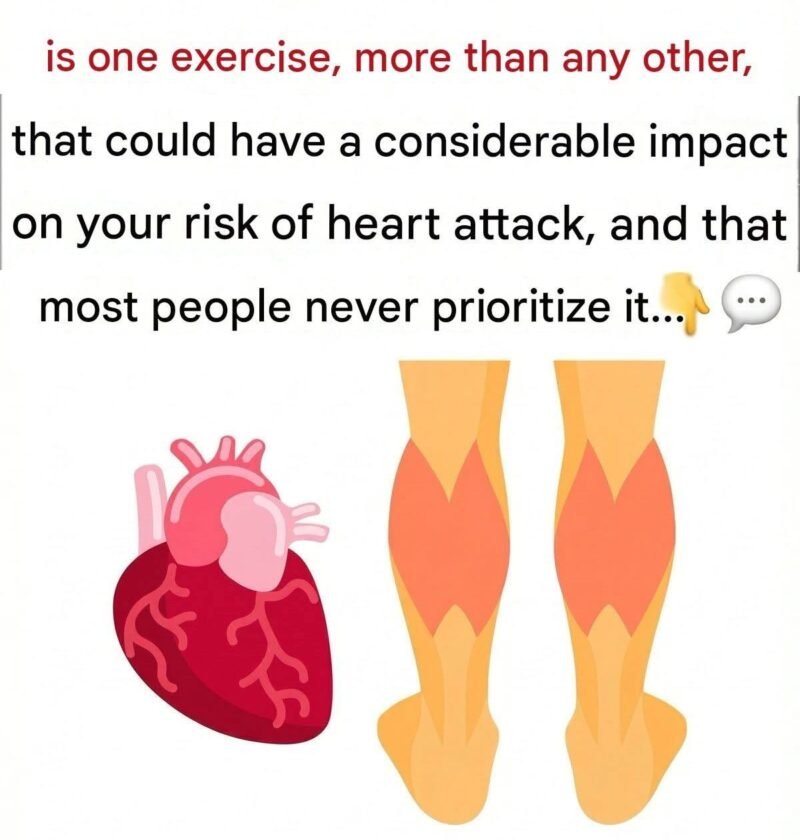
There isn’t one exercise that cardiologists can honestly call the single best exercise for everyone. The strongest evidence supports regular aerobic activity combined with muscle-strengthening exercise.
If you want one simple place to start, brisk walking is an excellent choice for many adults. It improves cardiovascular fitness and is relatively accessible and low-impact.
A heart-friendly routine
🚶 Aerobic activity: Aim for at least 150 minutes of moderate-intensity activity per week, such as brisk walking, or 75 minutes of vigorous activity if appropriate.
🏋️ Strength training: Work the major muscle groups at least 2 days per week.
🧘 Balance and flexibility: Particularly useful for older adults and people at risk of falls.
📈 Start gradually: If you’re currently inactive, begin with short walks and build up over time.
Regular physical activity can help improve blood pressure, cholesterol, blood sugar, body weight, and cardiovascular fitness, all of which influence heart-attack risk.
⚠️ Don’t ignore warning symptoms
If exercise causes chest pressure or pain, unusual severe shortness of breath, fainting, or pain spreading to the arm, back, neck, or jaw, stop and seek emergency medical attention.
If you have known heart disease, significant risk factors, or haven’t exercised for a long time, discuss an appropriate starting intensity with your healthcare professional.
Bottom line: There is no magic exercise that prevents every heart attack. Consistent aerobic activity—such as brisk walking—plus strength training is a much more evidence-based strategy than searching for one “miracle” workout.