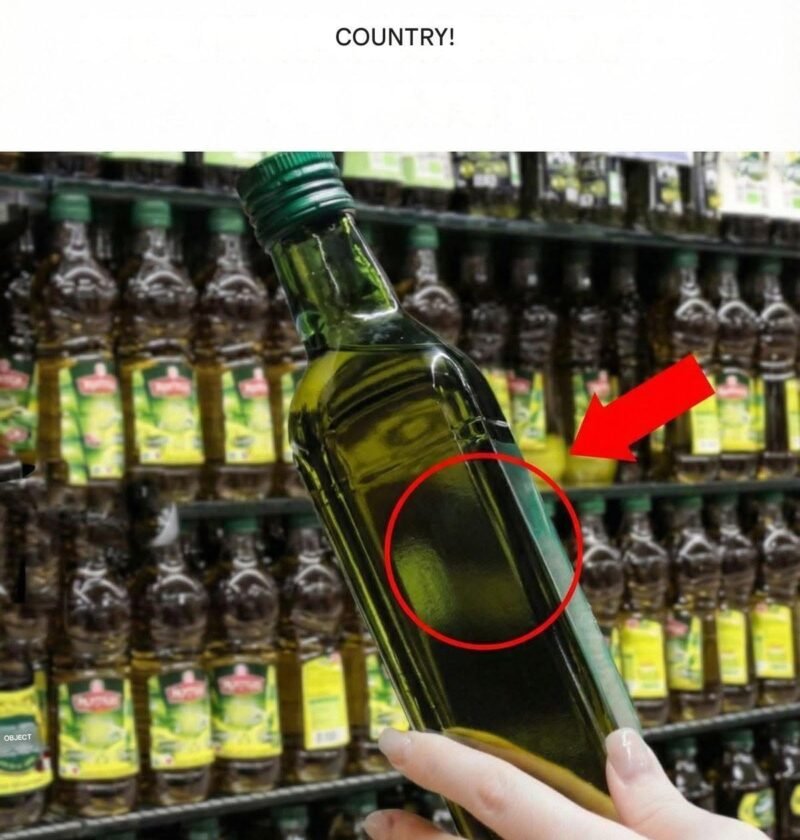
The claim “80% of olive oil is fake” is a popular warning that has some truth behind it but is often oversimplified.
There have been well-documented cases of olive oil fraud, where products are mislabeled, diluted with cheaper oils, incorrectly graded (for example, sold as “extra virgin” when they do not meet the standard), or blended without proper disclosure. Fraud has been a recurring issue in the global olive oil industry because high-quality extra virgin olive oil is expensive and difficult to produce.
However, the statement that 80% of all olive oil on the market is fake is not a reliable general statistic. The percentage varies greatly depending on country, market, testing method, and product category. Many reputable producers sell genuine extra virgin olive oil.
Ways to reduce the chance of buying poor-quality olive oil:
- Look for a harvest date (freshness matters more than just an expiration date).
- Choose bottles with dark glass or tins to protect the oil from light.
- Be cautious of prices that seem far below normal for extra virgin olive oil.
- Look for certification seals where relevant, such as:
- California Olive Oil Commission (for participating California producers)
- International Olive Council standards (used internationally)
- Buy from producers with transparent sourcing, testing information, and traceability.
Simple home “tests” like putting olive oil in the refrigerator or tasting for a “peppery burn” are not definitive ways to prove authenticity.
If you tell me the brand, country of origin, and label details on your olive oil bottle, I can help you evaluate whether it looks like a high-quality product.