Common Mistakes That Affect Balance in Older Adults
Balance often becomes less steady with age, but falls are not an inevitable part of aging. More than 1 in 4 adults age 65 and older report falling each year, and many risk factors can be modified. CDC+1
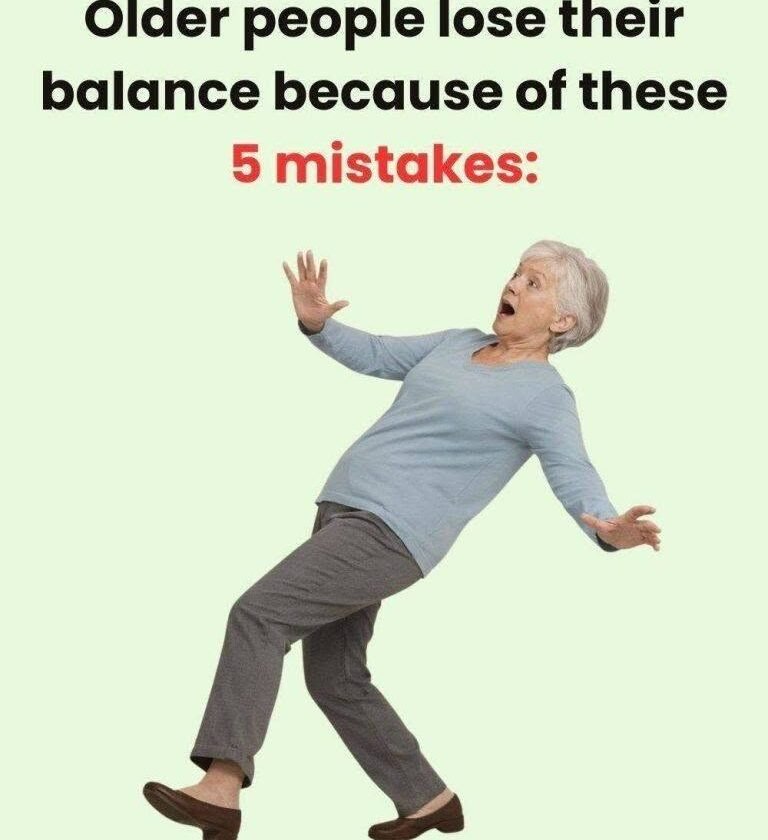
1. Staying inactive
Avoiding activity because of fear of falling can actually make things worse. Less activity can lead to weaker leg muscles and poorer balance. Regular strength and balance exercises, including appropriately supervised Tai Chi, can help. CDC
2. Ignoring medication side effects
Some prescription and over-the-counter medicines can cause dizziness, drowsiness, low blood pressure, or weakness. Taking several medicines can increase the risk further. A doctor or pharmacist can review medications for fall risk. CDC+1
3. Neglecting eyesight
Poor vision makes it harder to detect obstacles and judge steps or changes in the floor. Regular eye examinations and keeping prescriptions up to date are important. CDC
4. Wearing unsafe footwear
Loose slippers, worn-out shoes, or footwear with poor grip can make walking less stable. Properly fitting, sturdy, nonslip footwear is a safer choice. CDC
5. Leaving hazards around the home
Loose rugs, clutter, poor lighting, uneven steps, and a lack of bathroom grab bars are common contributors to falls. Improving lighting, clearing walkways, installing appropriate grab bars and using stair railings can reduce risk. CDC+1
6. Getting up too quickly
Some older adults experience a drop in blood pressure when standing, which can cause lightheadedness or instability. Rising slowly and discussing repeated dizziness with a healthcare professional can help identify the cause.
7. Assuming a previous fall was “just bad luck”
A previous fall is important: according to the CDC, falling once approximately doubles the chance of falling again. Reporting a fall or increasing unsteadiness to a healthcare professional allows potentially reversible risk factors to be addressed. CDC
When balance problems need prompt attention
New or sudden loss of balance, especially together with facial drooping, weakness or numbness on one side, difficulty speaking, severe dizziness, or vision changes, can be a sign of a stroke and requires emergency medical attention.
Bottom line: The most effective approach isn’t simply “being more careful.” It is identifying the person’s specific risk factors—strength, balance, vision, medications, blood pressure, footwear, medical conditions, and home hazards—and addressing them systematically. CDC
Sources