8 Warning Signs of Stroke That May Appear Beforehand—and 9 Ways to Reduce Your Risk
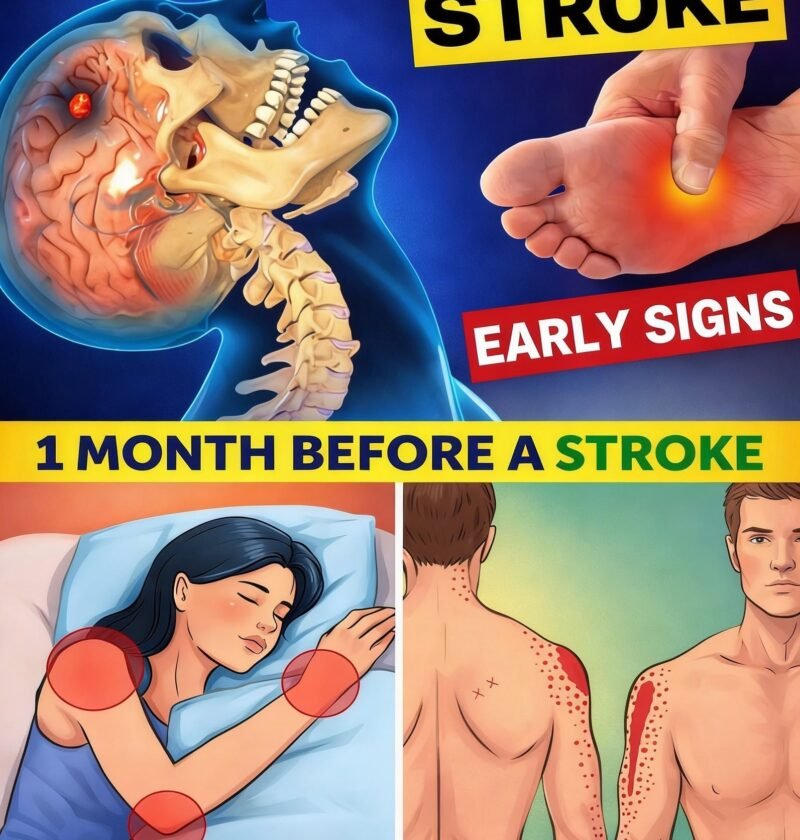
A common online claim is that there are eight symptoms that reliably appear one month before a stroke. That’s misleading. Most strokes happen suddenly, and there is no validated list of symptoms that predicts a stroke exactly one month in advance.
However, some people experience a transient ischemic attack (TIA) before an ischemic stroke. A TIA produces stroke-like symptoms that usually resolve within minutes or hours. It is a medical warning, not something to ignore.
8 warning signs that require immediate attention
If any of these occur suddenly—even if they disappear—seek emergency medical help:
Sudden facial drooping or numbness, especially on one side.
Sudden weakness or numbness in an arm or leg, particularly on one side.
Sudden difficulty speaking or understanding speech.
Sudden vision loss or major visual disturbance in one or both eyes.
Sudden difficulty walking, loss of coordination, or severe dizziness.
Sudden confusion or difficulty understanding what’s happening.
Sudden severe headache with no known cause, particularly if accompanied by other neurological symptoms.
Sudden loss of balance or coordination.
A useful memory aid is BE FAST:
B — Balance
E — Eyes
F — Face
A — Arms
S — Speech
T — Time to call emergency services.
Don’t wait to see whether symptoms improve. A TIA can be a warning that a major stroke may follow.
9 Ways to Help Prevent Stroke
Control your blood pressure. High blood pressure is one of the most important modifiable stroke risk factors.
Don’t smoke. If you smoke, getting help to quit can substantially reduce cardiovascular risk.
Manage diabetes. Keep blood glucose within the range recommended by your healthcare professional.
Maintain healthy cholesterol levels. If medication is prescribed, take it as directed.
Exercise regularly. Aim for consistent moderate physical activity appropriate for your health and abilities.
Eat a heart-healthy diet. Emphasize vegetables, fruits, whole grains, legumes, nuts, and appropriate protein while limiting excess salt and highly processed foods.
Maintain a healthy weight. Even modest, sustainable improvements can benefit cardiovascular health.
Limit alcohol. Excessive alcohol consumption increases stroke risk.
Treat conditions such as atrial fibrillation. AFib can substantially increase the risk of blood clots and ischemic stroke; appropriate treatment can reduce that risk.
The most important message
Don’t wait for a supposed “one month before a stroke” checklist. A sudden neurological symptom is an emergency whether it happens one month, one day, or one minute before a possible stroke.
If you or someone near you is experiencing sudden facial drooping, one-sided weakness, speech difficulty, vision loss, severe dizziness, or another possible stroke symptom right now, call your local emergency service immediately.