What Is Normal Blood Pressure at Each Age?
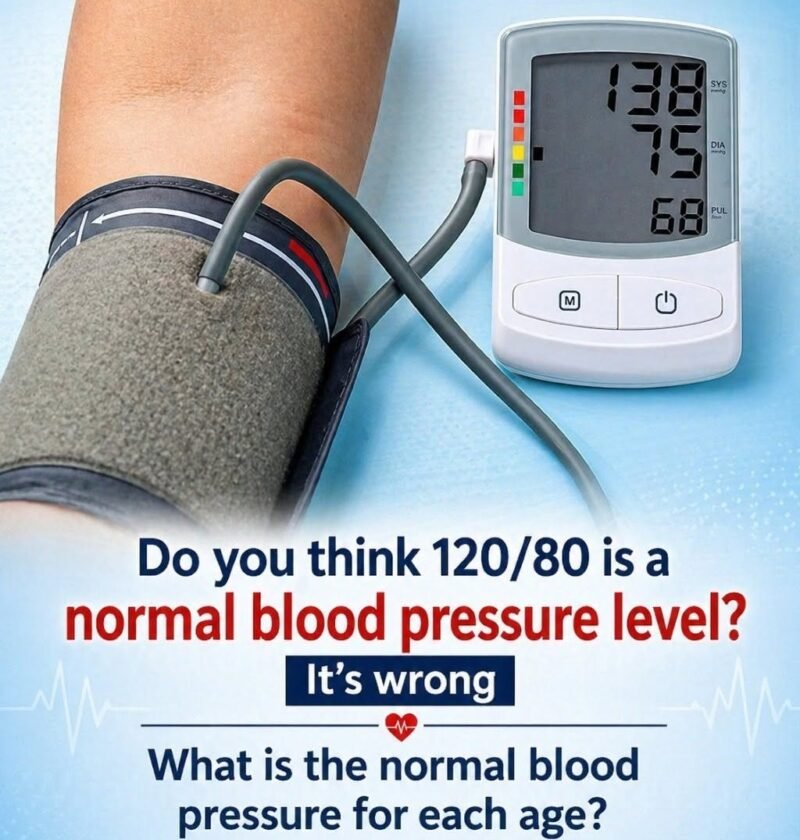
A common misconception is that there is a different “normal” blood pressure for every decade of adulthood. Current U.S. guidelines do not set higher normal blood-pressure numbers simply because someone is older. For adults, normal is generally below 120/80 mmHg.
Adults
| Age | Normal blood pressure |
|---|---|
| 18–39 | Below 120/80 |
| 40–59 | Below 120/80 |
| 60–69 | Below 120/80 |
| 70–79 | Below 120/80 |
| 80+ | Below 120/80, although treatment goals may be individualized |
📊 Blood-pressure categories
- 🟢 Normal: less than 120/80
- 🟡 Elevated: 120–129 and less than 80
- 🟠 Stage 1 hypertension: 130–139 or 80–89
- 🔴 Stage 2 hypertension: 140 or higher or 90 or higher
So 150/85 isn’t considered normal just because someone is 75 or 85.
The 2025 AHA/ACC guideline recommends an overall treatment goal of less than 130/80 mmHg for adults, while recognizing that treatment decisions need to consider individual circumstances, particularly in people who are frail, in institutional care, or have limited life expectancy.
👶 What about children?
Children are different. Their healthy blood-pressure range depends on age, sex, and height, rather than using the adult <120/80 standard.
⚠️ One reading isn’t enough
Blood pressure varies throughout the day. For a meaningful assessment, take multiple properly measured readings rather than judging your health from a single number.