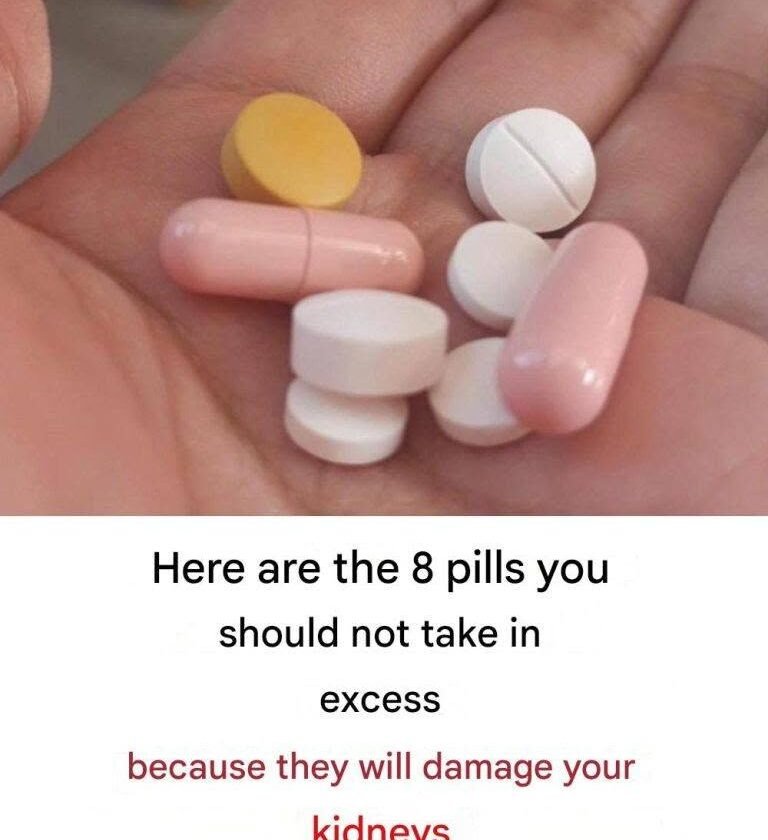
8 Medicines You Should Be Careful With If You Want to Protect Your Kidneys
The headline “eight pills you shouldn’t take because they damage your kidneys” is too absolute. Many medicines can be safe and necessary when prescribed appropriately. The risk often depends on the dose, duration, kidney function, dehydration, and combinations with other medicines.
N
National Kidney Foundation
+1
Here are eight important categories to know about:
1. Ibuprofen
Ibuprofen is an NSAID commonly used for pain and inflammation. High doses or prolonged use can reduce blood flow to the kidneys and increase the risk of acute kidney injury or worsening chronic kidney disease.
N
National Kidney Foundation
+1
2. Naproxen
Naproxen is another NSAID. Like ibuprofen, it deserves particular caution in people with kidney disease, dehydration, heart disease, high blood pressure, or those taking certain blood-pressure medicines.
N
National Kidney Foundation
3. Diclofenac
Oral diclofenac is an NSAID that can affect kidney blood flow. Long-term or high-dose use can be particularly concerning, especially when other kidney-risk factors are present.
N
National Kidney Foundation
4. Celecoxib
Celecoxib is also an NSAID. Although it is sometimes prescribed when other pain medicines aren’t appropriate, it can still affect kidney function and should be used according to medical advice.
N
National Kidney Foundation
5. Some antibiotics
Certain antibiotics can directly injure the kidneys, while others primarily need dose adjustment when kidney function is reduced. This does not mean you should avoid antibiotics when you need them—untreated infection can itself be dangerous.
N
National Kidney Foundation
6. Lithium
Lithium can be an effective treatment for bipolar disorder, but long-term use can affect kidney function. People taking lithium generally need regular medical monitoring and blood tests.
N
National Kidney Foundation
7. High-dose aspirin
Aspirin is complicated because the kidney risk depends on the dose and why it is being taken. Low-dose aspirin prescribed for cardiovascular protection is different from high-dose aspirin used as a painkiller. High doses can be harmful to the kidneys, particularly in people at increased risk.
N
National Kidney Foundation
+1
8. Certain diuretics (“water pills”)
Medicines such as furosemide can be extremely useful for heart failure, high blood pressure, and fluid retention. However, excessive dosing can contribute to dehydration and electrolyte abnormalities, which can put additional stress on the kidneys.
N
National Kidney Foundation
One important warning
Don’t stop a prescribed medication simply because you’ve read that it can affect the kidneys. Some medicines that sound “kidney damaging” can actually protect kidney function in the right patients. For example, ACE inhibitors and ARBs can slow kidney disease progression and reduce protein in the urine.
N
National Kidney Foundation
The biggest everyday medication warning is often NSAID painkillers, particularly when they’re taken at high doses, for long periods, or while you’re dehydrated.
N
National Kidney Foundation
+1
If you have kidney disease—or aren’t sure how well your kidneys work—ask your doctor or pharmacist to review every prescription, over-the-counter medicine, and supplement you take. A blood test measuring creatinine/eGFR can help determine whether medication doses need adjustment.
N
National Kidney Foundation
N
Sources