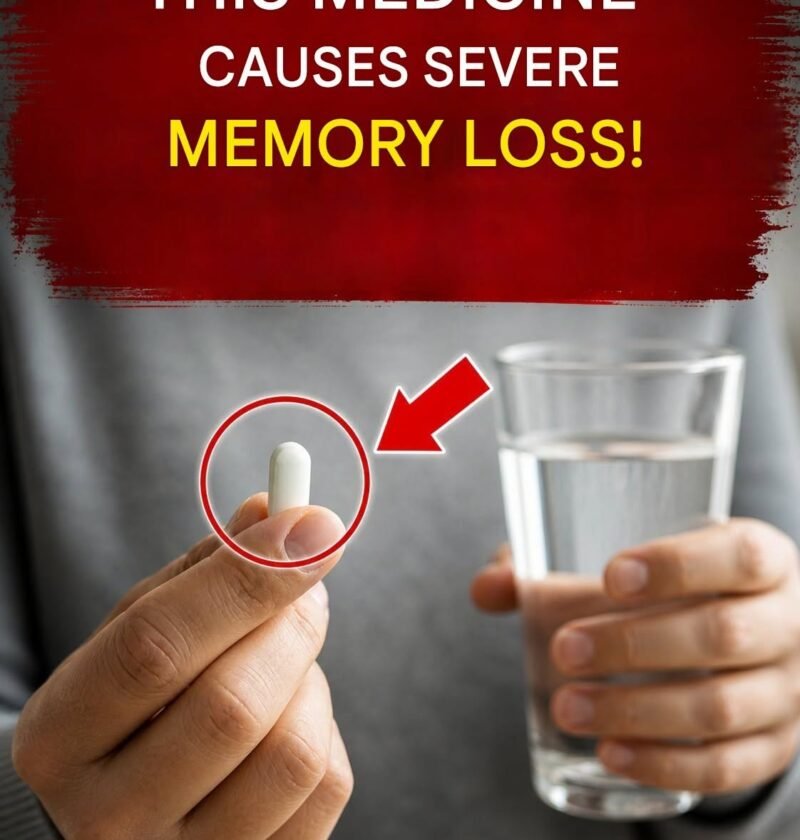
💊 “7 Medications That Cause Severe Dementia and Profound Brain Damage” — Fact Check
That headline is far too absolute. There are medications that can cause confusion, delirium, memory problems, or impaired thinking, particularly in older adults, and some long-term medication exposures have been associated with increased dementia risk. But it is not accurate to say that seven ordinary medicines simply “cause severe dementia and profound brain damage.”
One of the better-established concerns is anticholinergic medication burden. These medicines block acetylcholine, a chemical important for memory and cognition. Higher cumulative exposure to strong anticholinergics has been associated with increased dementia risk in observational research.
N
National Institute on Aging
+1
Examples of medication groups that can affect cognition include:
Strong anticholinergics — some bladder medicines, antihistamines, and other drugs.
Certain antihistamines — especially older, sedating ones with anticholinergic effects.
Some anti-anxiety medicines (benzodiazepines) — can cause sedation, impaired memory, confusion, and falls, particularly in older adults.
Some sleep medications — may impair alertness and cognition.
Certain antipsychotic medicines — can cause significant cognitive and neurological adverse effects and require careful monitoring.
Some muscle relaxants — several have sedating or anticholinergic effects.
Certain antispasmodic medicines — some can impair cognition because of their anticholinergic activity.
N
National Institute on Aging
⚠️ Important distinction
Association isn’t the same as proof of causation. Someone taking one of these medications does not mean they will develop dementia. In some cases, the underlying illness for which the medicine was prescribed may itself increase dementia risk.
Also, sudden confusion is not the same thing as dementia. Medication side effects can sometimes cause delirium or cognitive impairment, and some causes of memory problems—including medication effects, vitamin deficiencies, thyroid problems, and other medical conditions—can be treated.
N
National Institute on Aging
Don’t stop these medicines suddenly
If you’re taking a medication that concerns you, don’t abruptly discontinue it on your own. Some medicines can cause withdrawal or rebound symptoms when stopped suddenly. Ask your doctor or pharmacist to review your complete medication list and determine whether a safer alternative or dose adjustment is appropriate.
If you give me the 7 medication names from the article, I can go through them one by one and tell you which claims are supported, which are exaggerated, and which medications should never be stopped abruptly.
N
Sources