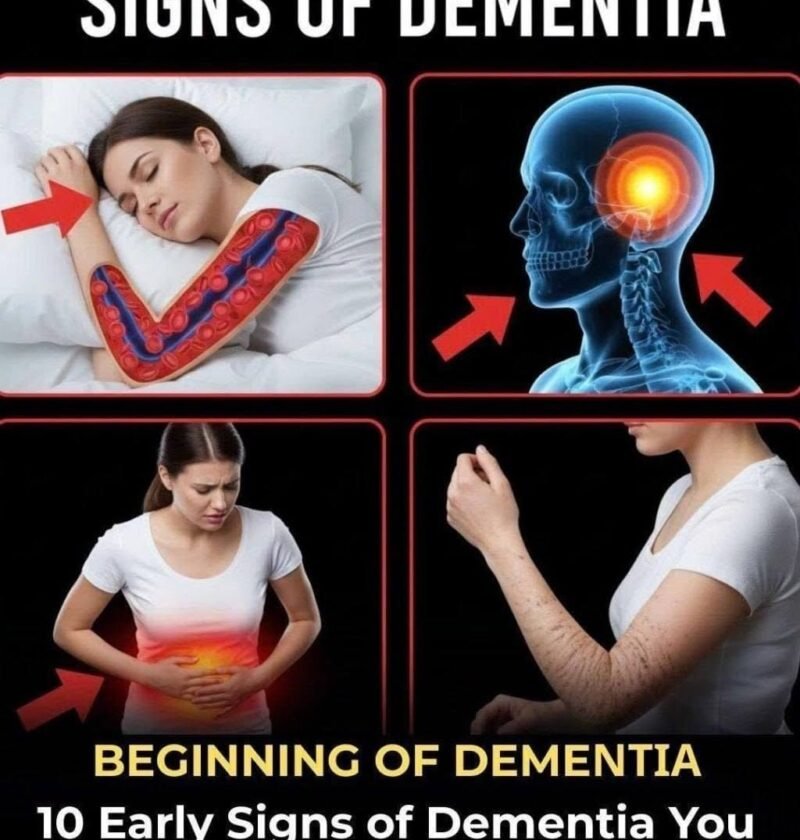
This means:
“Learn about the early changes that may indicate dementia, how to recognize them, what steps to take if you notice them, and why getting medical advice early can be important.”
Breakdown
“Early signs of dementia” = changes in memory, thinking, judgment, language, behavior, or ability to manage everyday activities.
N
National Institute on Aging
+1
“What to notice” = examples of changes worth paying attention to, such as repeatedly forgetting recent information, getting lost in familiar places, difficulty handling bills, or struggling with familiar tasks.
N
National Institute on Aging
+1
“What to do” = if changes are persistent or concerning, discuss them with a doctor. An evaluation can also look for other potentially treatable causes of memory or thinking problems, including medication effects, vitamin deficiencies, thyroid problems, and other medical conditions.
N
National Institute on Aging
“Why it matters” = identifying the cause early can help with treatment when a reversible condition is involved and can provide more time for planning and managing care if dementia is diagnosed.
N
National Institute on Aging
Important point
Dementia is not a normal part of aging, and occasional forgetfulness doesn’t automatically mean dementia. What matters is whether changes are becoming more frequent or begin interfering with everyday life.
N
National Institute on Aging
+1
A simpler version:
“How to recognize possible early dementia, when to seek medical advice, and why early evaluation matters.”
N
Sources