What Is Normal Blood Pressure at Each Age?
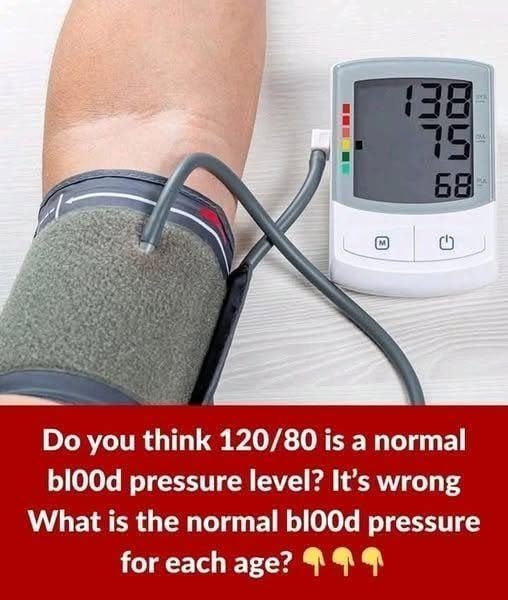
A common misconception is that normal blood pressure increases to a different “normal” number for every decade of adulthood. Current U.S. guidelines don’t use an age-by-age chart for adults.
For adults, the American Heart Association’s current categories apply across adult age groups: normal is below 120/80 mmHg.
| Age | Normal/healthy adult range |
|---|---|
| 18–39 | Below 120/80 |
| 40–59 | Below 120/80 |
| 60–69 | Below 120/80 |
| 70–79 | Below 120/80 |
| 80+ | Below 120/80, although treatment goals may need individualization |
📊 How to interpret the numbers
- Normal: <120 / <80
- Elevated: 120–129 / <80
- Stage 1 hypertension: 130–139 or 80–89
- Stage 2 hypertension: ≥140 or ≥90
So, for example, 150/85 isn’t “normal for someone over 70.” The systolic pressure is in the stage 2 hypertension range.
👵 What about people over 80?
Older adults can have different medical circumstances, including frailty, falls, kidney disease, or multiple medications. Therefore, the blood-pressure treatment target may need to be individualized rather than assuming that everyone should pursue exactly the same number. The 2025 AHA guideline nevertheless gives an overall treatment goal of <130/80 mmHg for adults, with exceptions and clinical considerations.
🚨 One reading isn’t everything
Blood pressure naturally fluctuates. For a more useful assessment, measure it correctly while seated and relaxed and look at repeated readings, rather than judging your health from one measurement.