If you’re referring to high blood sugar (hyperglycemia), there are several warning signs—but symptoms alone can’t confirm that your blood sugar is high. Some people, especially early in type 2 diabetes, may have few or no symptoms.
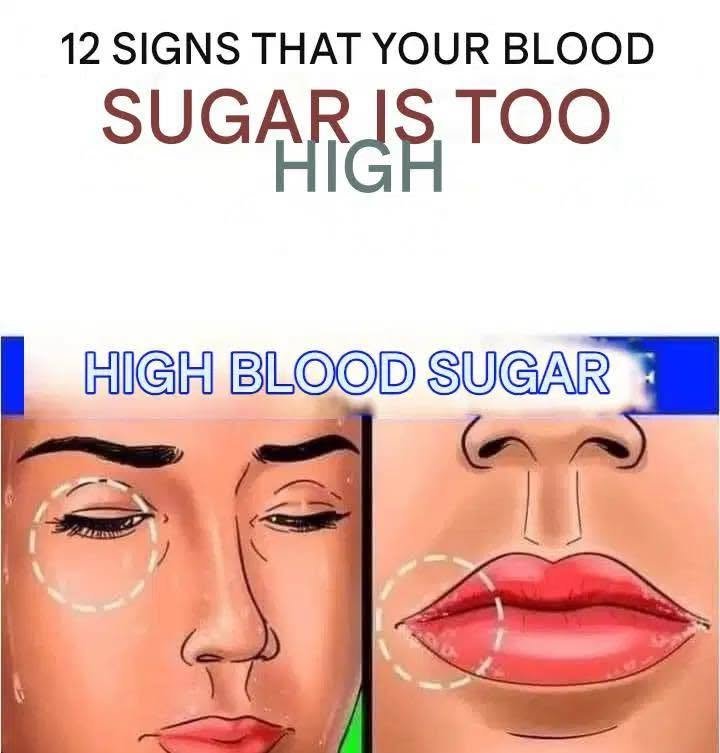
12 signs of high blood sugar to watch for
Increased thirst — feeling unusually thirsty throughout the day.
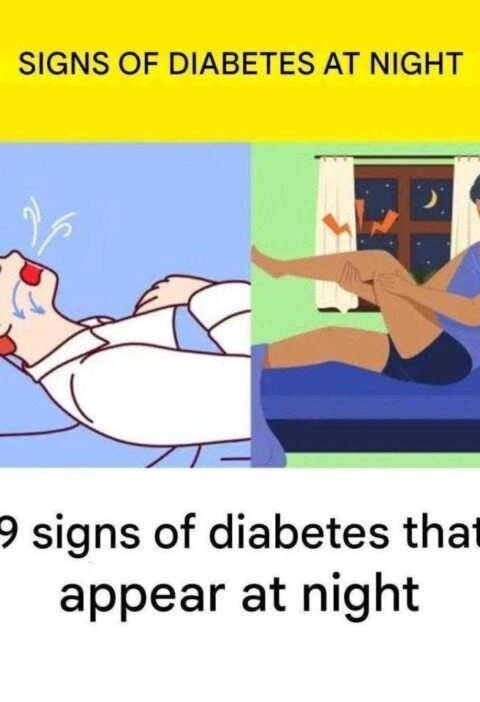
Frequent urination — particularly needing to urinate more often than usual or waking repeatedly at night.
Increased hunger — feeling hungry even after eating.
Unexplained weight loss — especially when accompanied by thirst and frequent urination.
Fatigue — persistent tiredness or low energy.
Blurred vision — temporary changes in vision can occur when glucose levels are elevated.
Slow-healing cuts or sores — particularly on the feet.
Frequent infections — including urinary, skin, or yeast infections.
Dry mouth or dry skin — often related to increased fluid loss.
Headaches — can occur alongside elevated glucose, although headaches have many other causes.
Tingling or numbness — particularly in the hands or feet, which can occur with longer-term diabetes-related nerve damage.
Irritability or difficulty concentrating — significant glucose abnormalities can affect how you feel and function.
🚨 When high blood sugar is an emergency
Very high glucose can progress to diabetic ketoacidosis (DKA) or, particularly in type 2 diabetes, hyperosmolar hyperglycemic state (HHS). Warning signs include vomiting, abdominal pain, deep or rapid breathing, fruity-smelling breath, severe dehydration, confusion, extreme drowsiness, or loss of consciousness. These require emergency medical attention.
The most reliable way to determine whether blood sugar is high is to measure it, rather than relying on symptoms. If you’re experiencing several of these symptoms, particularly thirst, frequent urination, and unexplained weight loss, arrange a medical evaluation and glucose testing.