Orchids: “Just 1 Tablespoon and They’ll Bloom Non-Stop” — What Actually Works
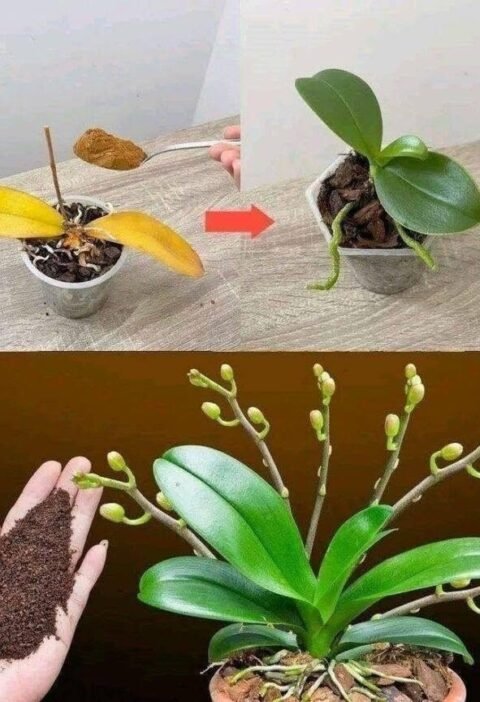
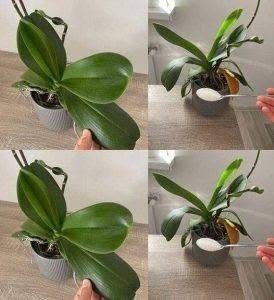
There isn’t a single tablespoon of homemade fertilizer that will make an orchid bloom continuously. Viral recipes often promise more than they can deliver, and some kitchen ingredients can actually harm orchid roots.
🌱 What orchids really need
1. Bright, indirect light ☀️
Insufficient light is one of the most common reasons a healthy, leafy orchid doesn’t flower.
2. Careful watering 💧
Water thoroughly, then allow excess water to drain. Don’t leave the roots sitting in stagnant water.
3. Proper orchid fertilizer 🌿
During active growth, use a balanced orchid fertilizer diluted according to its label. More fertilizer isn’t necessarily better—excess salts can damage roots.
4. Appropriate potting medium 🪴
Most epiphytic orchids, including Phalaenopsis, do best in a well-draining orchid mix such as bark rather than ordinary garden soil.
🚫 Be cautious with “one tablespoon” recipes
Sugar, baking soda, milk, coffee grounds, and other kitchen ingredients are frequently promoted as miracle orchid fertilizers. They aren’t substitutes for a properly formulated fertilizer and can encourage mold, pests, or root problems.