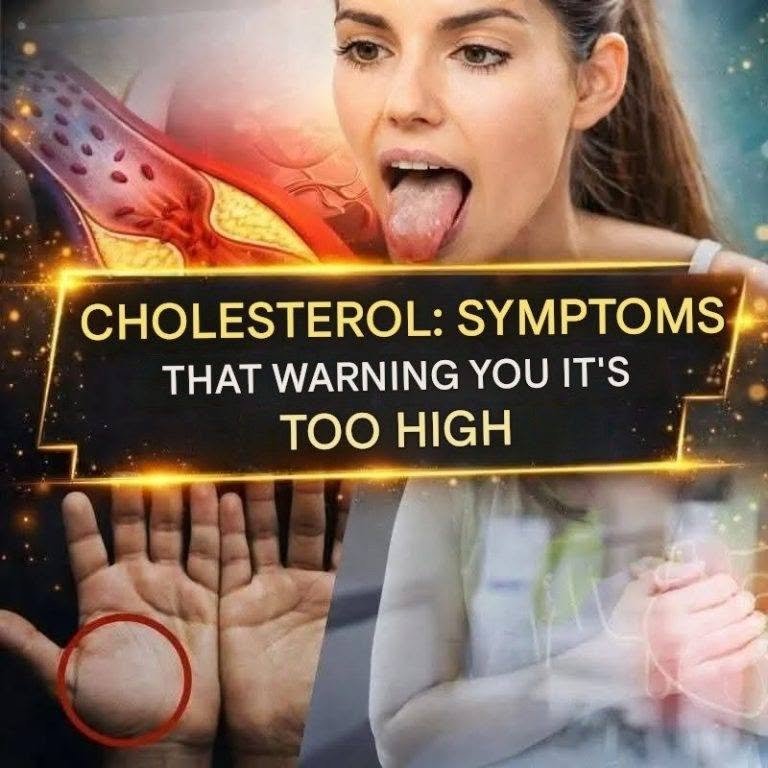
If this is intended as a health post, one important correction is needed: high cholesterol usually causes no symptoms. There aren’t five reliable symptoms that can tell you your cholesterol is “too high.” A blood test is the way to find out.
Cholesterol: 5 warning signs you shouldn’t ignore
Chest pain or pressure — may indicate heart disease rather than high cholesterol itself.
Shortness of breath with exertion — can be a sign of cardiovascular disease.
Pain or cramping in the legs when walking — may occur with peripheral artery disease.
Sudden weakness, facial drooping, or speech difficulty — could indicate a stroke and requires emergency care.
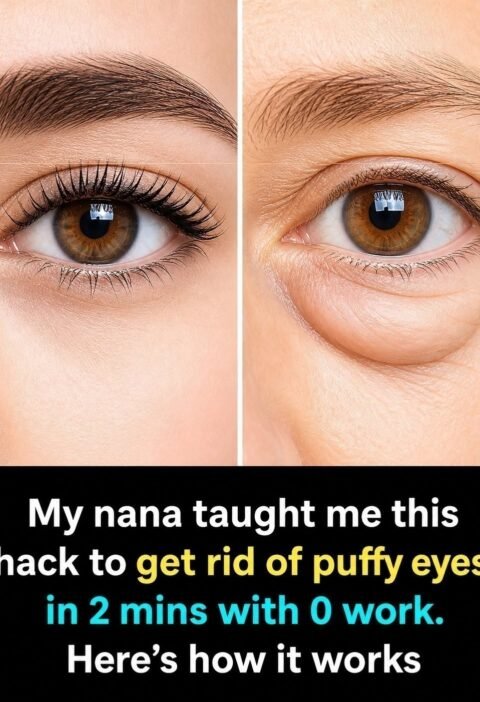
Yellowish deposits around the eyes or on tendons — uncommon, but can occur with certain inherited cholesterol disorders.
The key message: Don’t wait for symptoms to check your cholesterol. A lipid blood test can measure LDL (“bad”) cholesterol, HDL (“good”) cholesterol, and triglycerides.
If someone develops sudden stroke symptoms or severe chest pain, seek emergency medical care immediately.