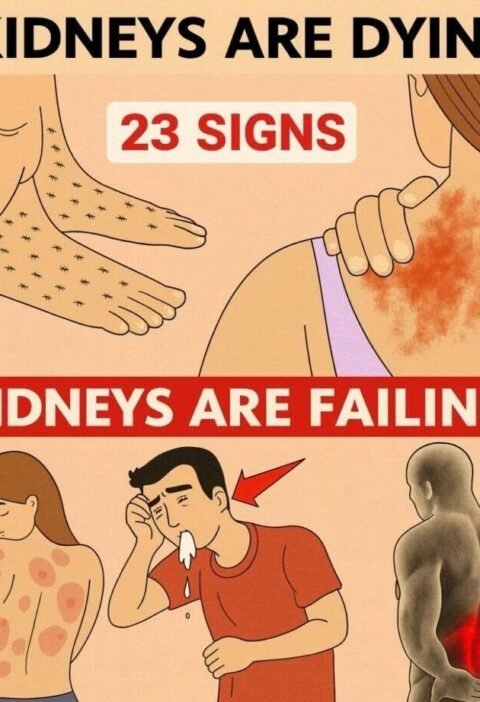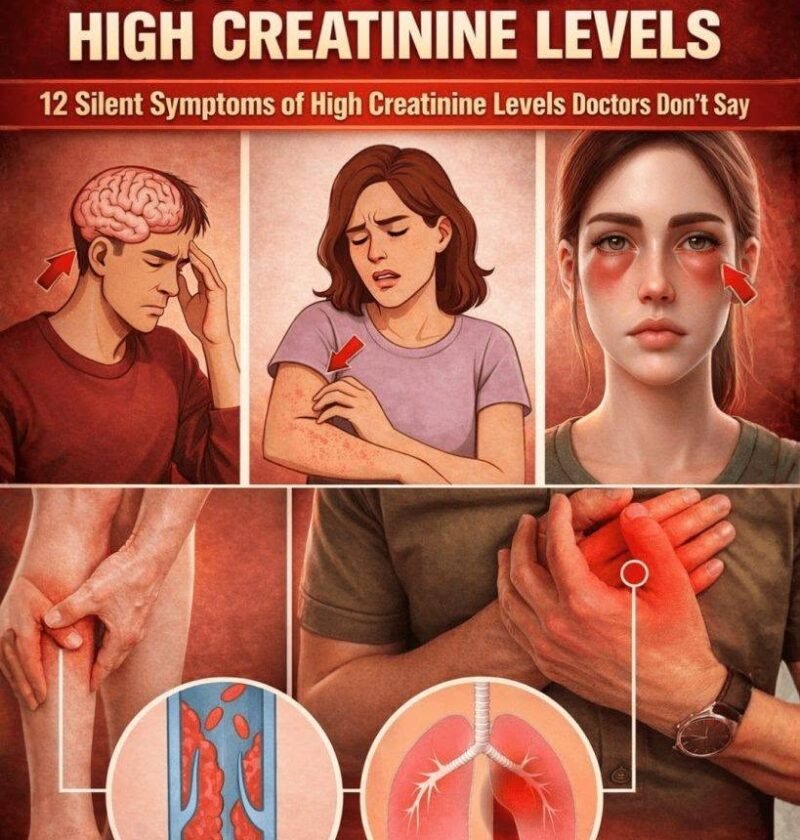
12 subtle signs of high creatinine — and what they really mean
One important correction to the headline: high creatinine itself often causes no symptoms, especially in the early stages. Creatinine is a waste product used as a marker of kidney filtration. A blood test and calculation of eGFR (estimated glomerular filtration rate) are much more useful than trying to identify high creatinine from symptoms.
If kidney function is reduced enough to cause symptoms, you might notice:
Fatigue or unusual weakness
Swelling in the feet, ankles, hands, or around the eyes
Changes in how often you urinate
Foamy or unusually bubbly urine, which can indicate protein in the urine
Blood in the urine
Nausea or reduced appetite
Itching or unusually dry skin
Muscle cramps
Headaches or difficulty concentrating
Shortness of breath, particularly when fluid accumulates
Sleep problems
Changes in taste or a metallic taste in the mouth
These symptoms are not specific to high creatinine or kidney disease. For example, fatigue and muscle cramps have many possible causes.
What can temporarily raise creatinine?
An elevated result doesn’t always mean chronic kidney disease. Dehydration, intense exercise, a large amount of cooked meat shortly before testing, certain medications, and muscle injury can affect creatinine. People with greater muscle mass can also naturally have higher creatinine levels.
That’s why doctors usually interpret the result alongside eGFR, urine albumin/protein testing, previous results, medications, and other clinical information.
When to seek medical attention
Get prompt medical evaluation for markedly reduced urine output, significant swelling, severe shortness of breath, confusion, persistent vomiting, or sudden deterioration, particularly if you already have kidney disease.
Bottom line: There aren’t really “12 signs of high creatinine.” Early kidney disease can be silent, so blood and urine testing is far more reliable than a symptom checklist. An unexpectedly high creatinine result should be interpreted by a healthcare professional rather than assumed to mean permanent kidney damage.