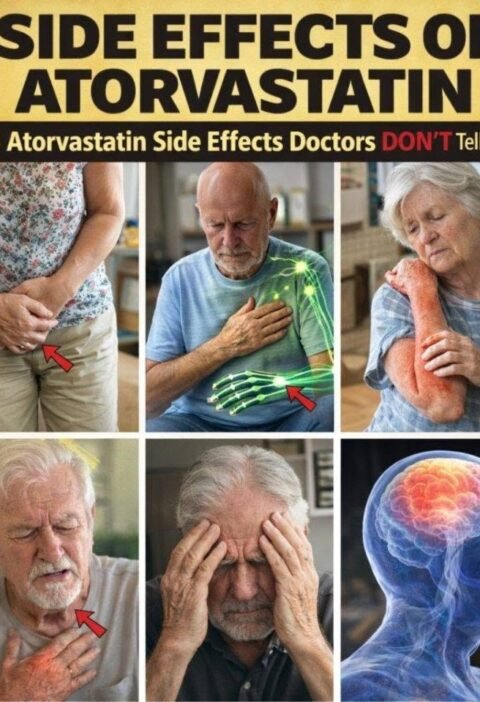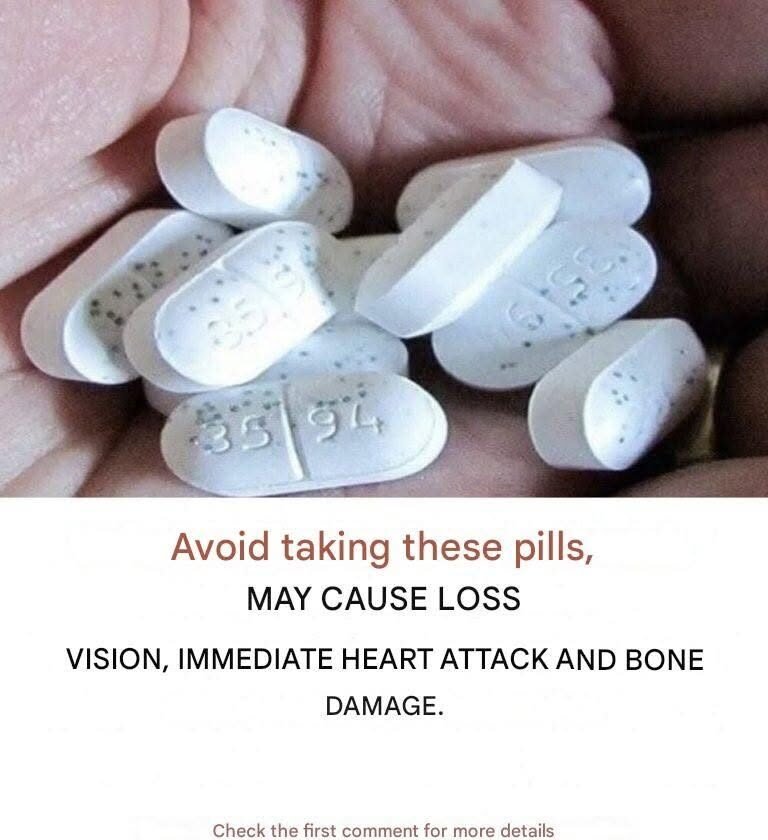
Taking certain medications? Important heart and blood-clot safety facts
The headline is important, but there isn’t one list of medications that simply “cause blood clots.” The risk depends on the particular drug, dose, your health conditions, and what other medicines you’re taking.
Some medication groups deserve particular attention:
Estrogen-containing medicines: Certain combined hormonal contraceptives and some menopausal hormone therapies can increase the risk of blood clots. The risk isn’t the same for every formulation or every person.
U
U.S. Food and Drug Administration
+1
NSAID pain relievers: Non-aspirin NSAIDs such as ibuprofen and naproxen can increase the risk of heart attack and stroke, particularly at higher doses or with longer use.
U
U.S. Food and Drug Administration
Aspirin: Aspirin can reduce clot-related heart attacks and strokes in certain people with established cardiovascular disease, but it also increases the risk of serious bleeding. Don’t start daily aspirin on your own.
U
U.S. Food and Drug Administration
+1
Blood thinners: Drugs such as warfarin, rivaroxaban, and dabigatran are specifically used to prevent dangerous clots, but combining them with other medicines—including aspirin—can substantially increase bleeding risk.
U
U.S. Food and Drug Administration
🚨 Know the warning signs
Seek emergency medical attention for symptoms suggesting a heart attack or stroke, such as chest pressure/pain, severe shortness of breath, sudden weakness or numbness on one side, or sudden difficulty speaking.
U
U.S. Food and Drug Administration
A possible leg blood clot (DVT) may cause new swelling, pain/tenderness, warmth, or redness in one leg. If this is accompanied by sudden chest pain or difficulty breathing, treat it as an emergency.
Don’t stop prescribed medication abruptly
If you’re concerned about a medication, don’t discontinue it without speaking with your doctor or pharmacist. Sometimes the medication is providing substantial protection against a heart attack or stroke, and the safest approach is to adjust the treatment rather than simply stop it.
If you give me the names of the medications you’re taking, I can explain which ones affect clotting or cardiovascular risk and what interactions or warning signs you should know about.
U
Sources