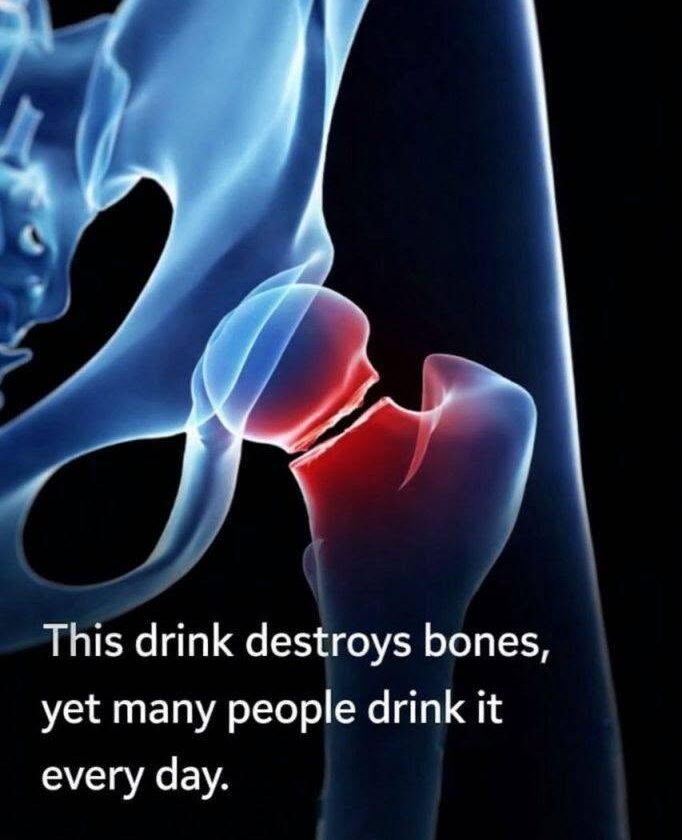
5 drinks that can be problematic for bone health
The headline “five drinks that are most harmful to your bones” is a little too absolute. No single drink will suddenly weaken your bones, and the evidence varies considerably between beverages. The bigger issue is frequent or excessive consumption, especially when these drinks replace calcium- and protein-rich foods.
The main ones worth limiting are:
Cola and other soft drinks 🥤
Studies have associated high cola consumption—particularly caffeinated cola—with lower bone density in some groups. However, it’s not clear that the carbonation itself damages bones. One explanation is that soda may displace calcium-rich drinks such as milk.
H
Harvard Health
+1
Sugary soft drinks
Regular soda provides lots of sugar but little calcium, vitamin D, or protein. Frequent consumption can contribute to an overall dietary pattern that isn’t favorable for bone health.
T
The Nutrition Source
+1
Energy drinks ⚡
Many contain substantial amounts of caffeine and sugar. Excessive caffeine intake can modestly increase calcium loss, while relying on these drinks instead of nutritious beverages isn’t helpful for maintaining strong bones.
H
Harvard Health
+1
Excessive coffee or other highly caffeinated drinks ☕
Caffeine can modestly reduce calcium retention. For most people, moderate coffee or tea consumption isn’t a reason for concern, particularly when the diet provides adequate calcium. The problem is large amounts combined with inadequate calcium intake.
N
NCBI
+1
Alcohol, particularly heavy drinking 🍺
This is the one with a clearer connection to bone damage. Chronic heavy alcohol consumption can interfere with bone formation and increase fracture risk. Harvard notes that consuming more than three alcoholic drinks per day can hinder bone formation.
H
Harvard Health
What should you drink instead?
For everyday hydration, water is the simplest choice. Milk or calcium/vitamin-D-fortified alternatives can also contribute useful nutrients. Unsweetened tea and moderate coffee can fit into a healthy diet.
T
The Nutrition Source
+1
And importantly, you don’t need to eliminate every carbonated drink. Plain sparkling water has not been shown to cause osteoporosis. The concern is more about cola/soft drinks and overall dietary patterns than carbonation itself.
H
Harvard Health
Bottom line: If you’re concerned about osteoporosis, focus less on a “forbidden five” and more on getting adequate calcium, vitamin D and protein, doing weight-bearing/resistance exercise, avoiding smoking, and limiting alcohol.
N
NIA
+1
H
T
N
Sources