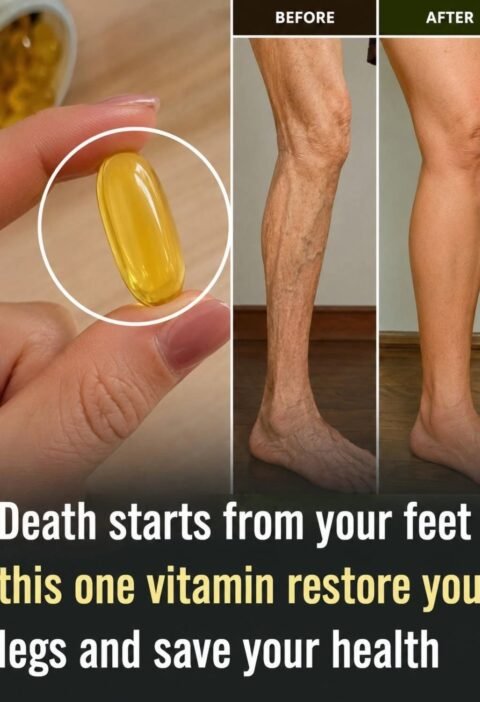
If you’re checking this headline, the vitamin it is most likely referring to is vitamin E. But the phrase “raises stroke risk overnight” is misleading.
Vitamin E and stroke risk: what the evidence actually says
Some randomized-trial evidence has found that vitamin E supplementation was associated with about a 22% higher relative risk of hemorrhagic (bleeding) stroke, while some analyses found a lower risk of ischemic stroke. Importantly, the overall risk of having any stroke was not significantly increased.
P
PubMed
+1
A more recent meta-analysis likewise concluded that vitamin E supplementation is not recommended as a strategy for preventing stroke, because any possible benefit for ischemic stroke does not clearly outweigh the potential hemorrhagic-stroke risk.
P
PubMed
Does vitamin E cause a stroke overnight?
No. There is no evidence that taking one dose suddenly causes a stroke overnight. The research concerns supplementation over time, and the increased risk observed in studies was relatively small in absolute terms.
Vitamin E found naturally in foods—such as nuts, seeds, vegetable oils, and leafy greens—is different from taking concentrated high-dose supplements. You generally shouldn’t eliminate healthy foods because of this finding.
What matters more for senior stroke prevention?
For older adults, the strongest evidence-based priorities are controlling blood pressure, diabetes and cholesterol when appropriate, avoiding tobacco, staying physically active, and following a heart-healthy eating pattern. The American Heart Association’s current stroke-prevention guidance emphasizes these established risk factors rather than vitamin supplements.
P
professional.heart.org
+1
Bottom line: Don’t panic if you take a standard multivitamin or eat vitamin-E-rich foods. But high-dose vitamin E supplements should not be started for “brain protection” or stroke prevention without discussing them with a healthcare professional, particularly if you take blood-thinning medication.
P
P
Sources